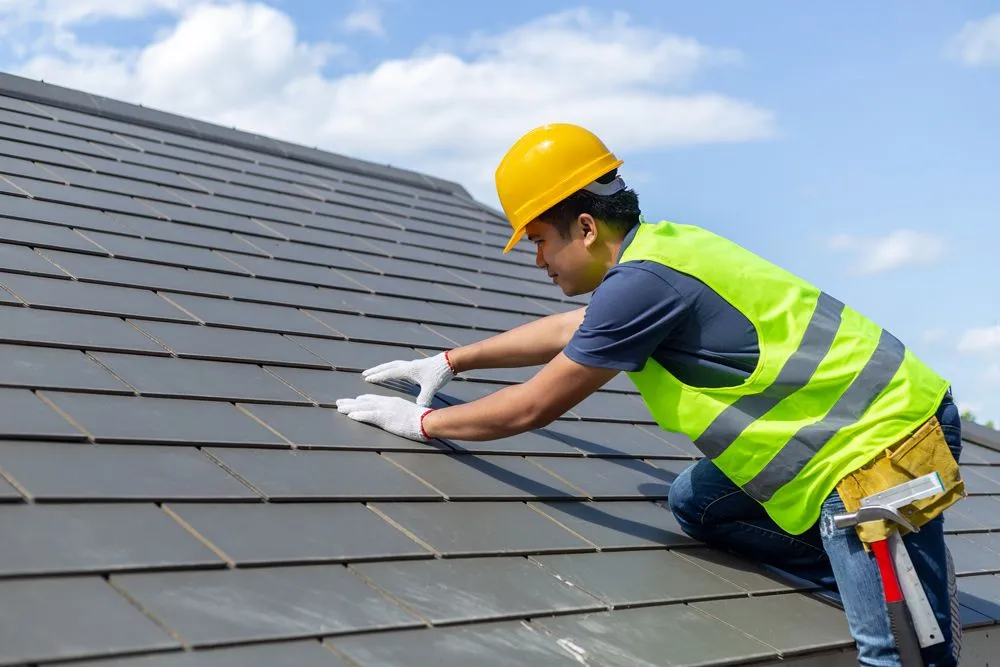
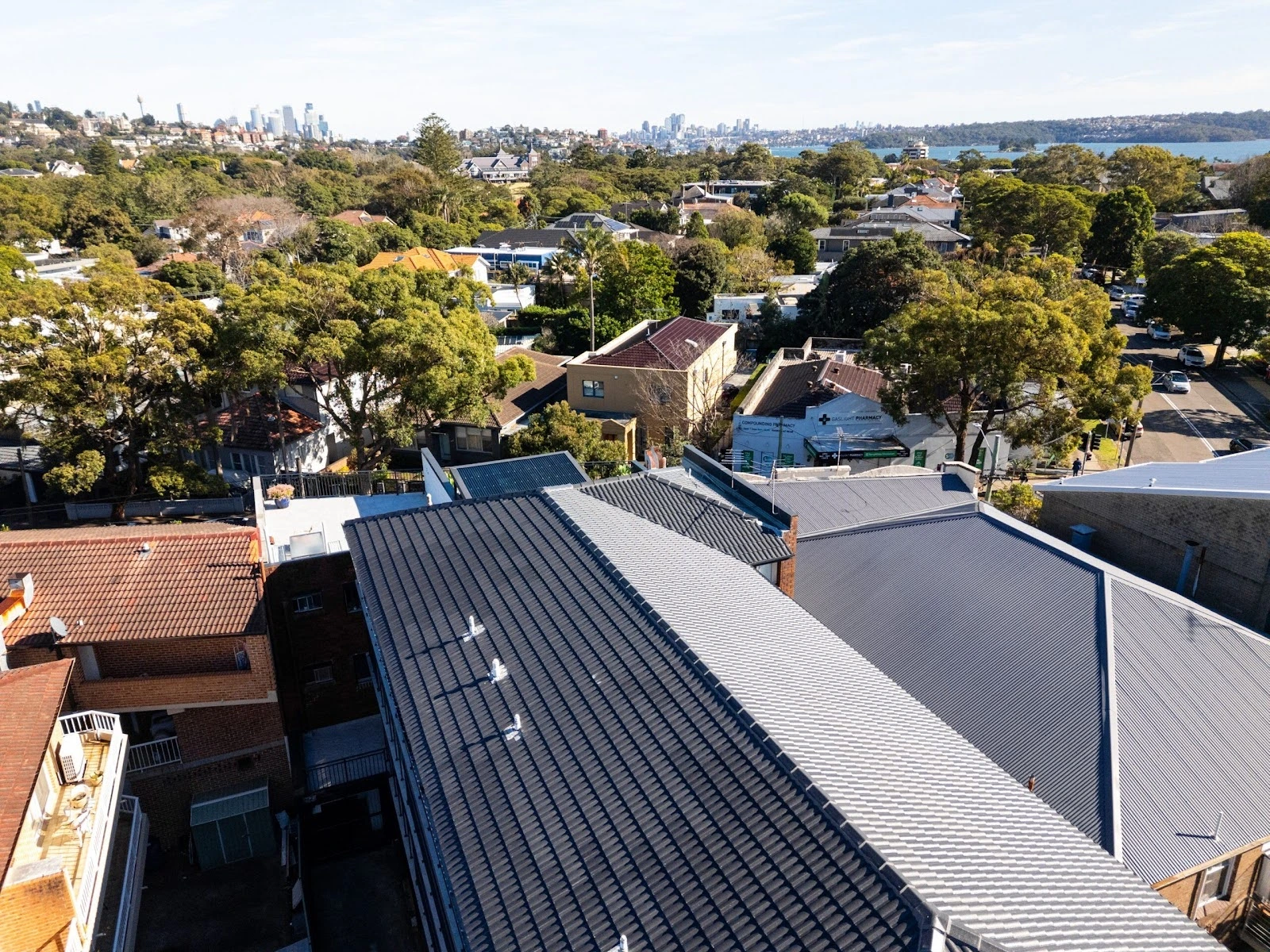
Thinking about converting your tile to metal roof in Sydney? You’re not alone. More homeowners are making the switch to modern Colorbond and metal roofing for good reasons: lower maintenance, better weather resistance, and a sleek contemporary look. But before you commit, there’s one critical step many people overlook, and it could save you from costly surprises down the track.
Over the past 15+ years, our team at Tomkat Roofing has completed hundreds of tile-to-metal roof conversions across Sydney, from coastal homes in the Northern Beaches to older brick properties in Western Sydney. In many cases, we’ve uncovered hidden timber rot, outdated tie-down systems, and non-compliant batten spacing that would have caused major issues if left unchecked. A proper structural inspection isn’t optional; it’s essential.
Your roof structure needs to be assessed first.
Unlike a simple roof repair, a tile-to-metal roof conversion affects your home’s entire roofing system. While metal roofs are lighter than tiles, the conversion involves removing old materials, inspecting the frame, and potentially making structural modifications. Here’s what you need to know before starting your conversion project in Sydney.
Why Structural Assessment Comes First
Many homeowners assume that because metal roofing is lighter than tiles, the conversion is straightforward. While it’s true that Colorbond steel weighs significantly less than concrete or terracotta tiles (often 50-70% lighter), your existing roof structure wasn’t necessarily designed for metal roofing systems.
Here’s the thing: tile roofs and metal roofs have different fixing requirements, batten spacing, and load distribution patterns. Your roof frame might have been built decades ago specifically to handle the weight and installation method of tiles. Converting to metal means changing how the roof transfers loads, how water drains, and how the roofing material attaches to the structure.
A professional structural assessment identifies potential issues before they become expensive problems. It also ensures your conversion meets Australian building standards and local Sydney council requirements.
Key Structural Checks Required Before Conversion
When a licensed roofing professional from Tomkat Roofing inspects your roof for a tile-to-metal conversion, here’s what they’re looking for:
1. Roof Frame Condition
Once the tiles are removed, the timber frame is fully exposed. Inspectors check for:
✓ Timber rot or decay (common in Sydney’s humid climate)
✓ Termite damage in rafters or trusses
✓ Sagging or warped structural members
✓ Previous repairs that may have compromised integrity
✓ Water damage around chimneys, valleys, and penetrations
Any compromised timber needs replacement before the new metal roof goes on. This is non-negotiable for safety and compliance.
2. Batten and Purlin Spacing
Tile roofs typically use closer batten spacing than metal roofs. Depending on your metal roofing profile (corrugated, standing seam, or custom orb), you may need to:
✓ Remove existing tile battens entirely
✓ Install new battens at appropriate spacing for metal sheets (usually 600-900mm centres)
✓ Add additional purlins or structural supports if required
Your roofing contractor will specify the correct spacing based on your chosen metal roofing product and Sydney’s wind classification zone.
3. Roof Pitch and Drainage
Metal roofing has minimum pitch requirements (typically 2-5 degrees depending on profile). If your tile roof sits at a very low pitch, you might need to:
✓ Adjust the roof pitch slightly
✓ Choose a metal profile suitable for lower pitches
✓ Modify drainage and gutter systems accordingly
Sydney’s heavy rainfall means proper drainage is critical. Your contractor will ensure the new metal roof sheds water effectively without pooling or backflow.
4. Wall and Ceiling Tie-Downs
While metal roofs are lighter, they need secure tie-downs to resist Sydney’s occasional severe weather events. Your structural check includes:
✓ Assessing existing cyclone ties and strapping
✓ Verifying connection between roof frame and wall plates
✓ Checking ceiling joist connections (if applicable)
✓ Ensuring compliance with current wind load standards
Modern building codes are stricter than they were 20-30 years ago, so upgrades may be necessary.
5. Penetrations and Flashing Points
Every roof penetration is a potential weak point. During the structural assessment, professionals examine:
✓ Chimney condition and flashing requirements
✓ Vent pipe locations and sealing
✓ Skylight frames and structural support
✓ Existing valley and ridge structures
These areas often need rebuilding or reinforcement when converting from tile to metal, as the flashing systems are completely different.
Practical Considerations Beyond Structure
Structural checks are just part of the picture. Here are other practical factors to think about for your tile-to-metal conversion in Sydney:
1. Council Approvals and Compliance
Depending on your property’s location, heritage status, and local council requirements, you may need:
1. A Complying Development Certificate (CDC)
2. A Development Application (DA) for certain areas
3. Heritage approval if your home is in a conservation zone
Tomkat Roofing can guide you through Sydney council requirements and help arrange necessary documentation.
2. Insulation and Thermal Performance
Metal roofs can be noisier during rain and may transfer more heat than tiles. Address this by installing:
1. Quality roof insulation (blanket or foil-backed)
2. Reflective barriers to reduce heat transfer
3. Acoustic insulation if noise is a concern
Modern Colorbond roofing with Thermatech technology helps, but additional insulation is still recommended for Sydney’s climate.
3. Asbestos Considerations
Older Sydney homes (pre-1990s) may have asbestos-containing materials in roof underlays or sheeting. If present, removal requires:
1. Licensed asbestos removalists
2. Safe disposal at approved facilities
3. Additional costs (typically $50-$100+ per square metre)
Never attempt DIY removal. Tomkat Roofing is licensed to handle asbestos safely and in full compliance with NSW regulations.
4. Budget and Timeline
A complete tile-to-metal conversion in Sydney typically costs between $130-$180 per square metre, depending on:
1. Roof size and complexity
2. Structural repairs needed
3. Metal roofing profile selected (Colorbond, Zincalume, etc.)
4. Insulation and additional features (whirlybirds, skylights)
5. Access difficulty
Most conversions take 3-7 days for an average-sized Sydney home, weather permitting.
What Affects the Final Price Most?
1. Structural Timber Replacement
If rot, decay, or termite damage is discovered after tile removal, affected timber must be replaced before installing the new metal roof.
📖 People also read about:
2. Asbestos Removal Requirements
Older Sydney homes may contain asbestos in underlays or sheeting, requiring licensed removal and compliant disposal.
3. Roof Height and Site Access Limitations
Steep roof pitches, multi-storey properties, or restricted access can increase labour time and equipment requirements.
4. Upgrading to Current Wind-Load Compliance
Older roof frames may need additional tie-downs or structural reinforcement to meet current wind classification standards.
5. Insulation Upgrades for Thermal Performance
Adding or upgrading insulation improves comfort and energy efficiency but can increase overall project costs.
The Conversion Process Step-by-Step
Once structural checks are complete and you’re approved to proceed, here’s what happens:
1. Safe Removal – Old tiles, battens, and underlay are carefully removed and disposed of properly.
2. Frame Inspection and Repairs – Any damaged timber is replaced, and structural reinforcements are installed as needed.
3. New Batten Installation – Fresh battens are installed at correct spacing for your metal roofing system.
4. Underlay and Insulation – High-quality breathable underlay and insulation are fitted to prevent condensation and improve comfort.
📖 People also read about:
5. Metal Roof Installation – Colorbond or metal sheets are installed with proper overlaps, flashings, and fixings according to manufacturer specifications.
6. Finishing Touches – Ridge capping, valley flashings, gutters, downpipes, and trim are completed.
7. Final Inspection – A thorough check ensures everything meets Australian standards and your expectations.
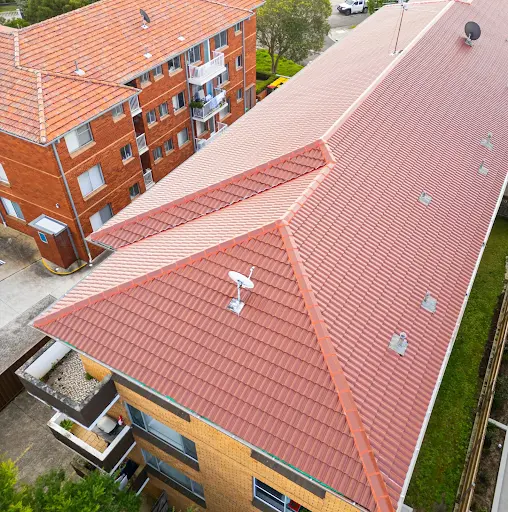
Recent Sydney Conversion Example
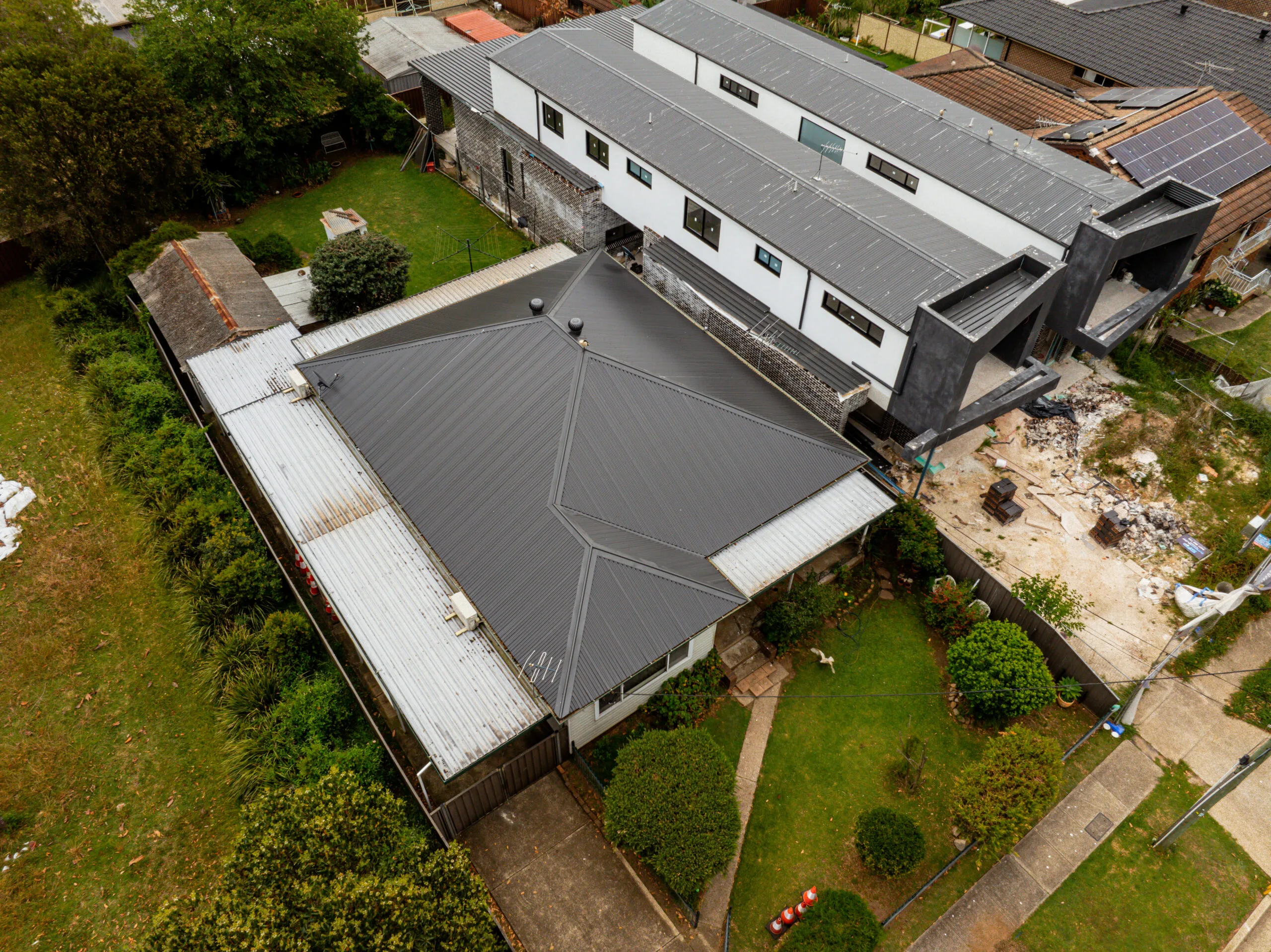
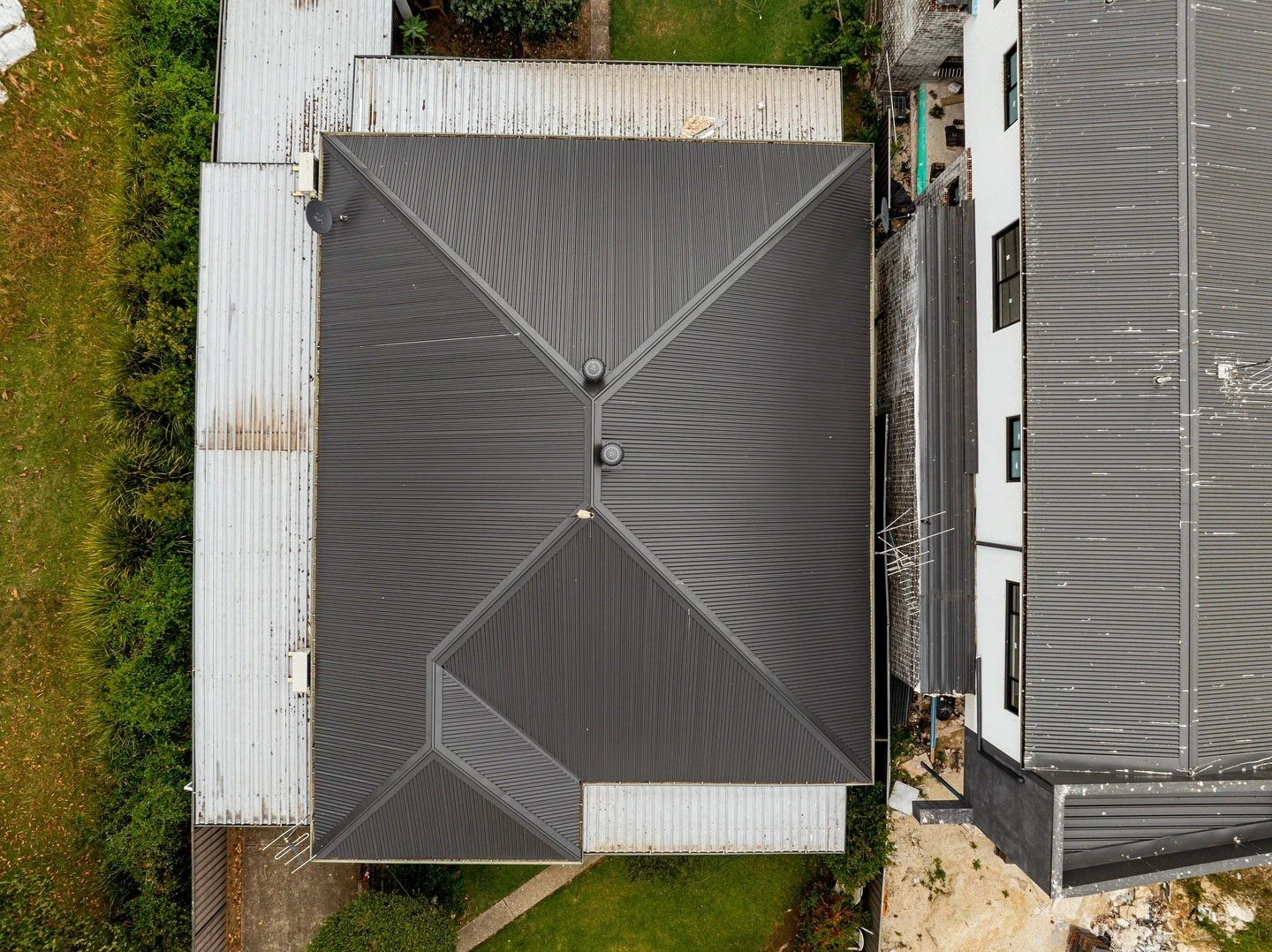
In a recent tile-to-metal conversion in the Hills District, we discovered extensive batten rot beneath concrete tiles due to long-term moisture retention. After replacing affected timber and upgrading tie-downs to meet current wind standards, the homeowner reduced roof weight by nearly 6 tonnes and improved drainage performance significantly during heavy storms. This is a common scenario in older Sydney homes.
Is Your Home Ready for Conversion?
Not every Sydney home is an ideal candidate for immediate tile-to-metal conversion. You might need additional work first if:
✓ Your roof frame shows significant sagging or structural damage
✓ There’s extensive termite activity requiring treatment
✓ The roof pitch is too low for standard metal profiles
✓ Your home has heritage restrictions limiting roofing changes
✓ Major renovations are planned that would affect the roofline
Most Sydney homes built in the last 40 years are excellent candidates, though. The best way to know for certain is to book a professional inspection.
Why Trust Tomkat Roofing?
1. Fully Licensed and Insured in NSW
Tomkat Roofing is fully licensed and insured in NSW, giving homeowners peace of mind that all work is completed to legal and safety standards.
💡 Need help?
We offer professional roof repair casula to help you achieve your goals.
2. Qualified Roof Plumbing Specialists
Our team includes qualified roof plumbers and trained roofing specialists who understand Sydney’s wind classifications and structural requirements.
3. NCC and Australian Standards Compliance
We work in accordance with National Construction Code requirements and Australian Standards, including AS 1562.1 for metal roofing installation, ensuring every tile-to-metal conversion meets current regulations.
4. Written Compliance and Manufacturer Warranties
We provide written compliance documentation and manufacturer-backed warranties on all Colorbond installations for long-term protection and accountability.
Get Your Free Structural Assessment Today
A tile-to-metal roof conversion can transform your Sydney home with better durability, lower maintenance, and modern style. But it all starts with knowing your roof’s structural readiness.
At Tomkat Roofing, we’ve completed hundreds of successful tile-to-metal conversions across Sydney. Our licensed team conducts thorough structural assessments, delivers transparent fixed-price quotes, and provides quality workmanship designed to last decades.
Don’t leave your roof conversion to chance. Contact Tomkat Roofing today for your free, no-obligation roof inspection and quote. We’ll assess your structure, explain your options clearly, and help you decide about your roof’s future.
Book your free inspection now and discover if your Sydney home is ready for a modern metal roof upgrade.
Frequently Asked Questions
Is a tile to metal roof conversion worth it in Sydney?
Yes, a tile to metal roof conversion is a smart upgrade for Sydney homes. Metal roofing offers better durability, lower maintenance, and improved performance in heavy rain and coastal conditions.
How long does a tile to metal roof conversion take?
Most tile to metal roof conversions in Sydney take around 3 to 7 days. Complex roofs or structural repairs can extend the timeline slightly.
Do I need council approval for roof conversion in Sydney?
Some tile to metal roof conversions can be approved under a CDC. However, heritage properties or special zones may require council approval, so it’s best to check local regulations.