
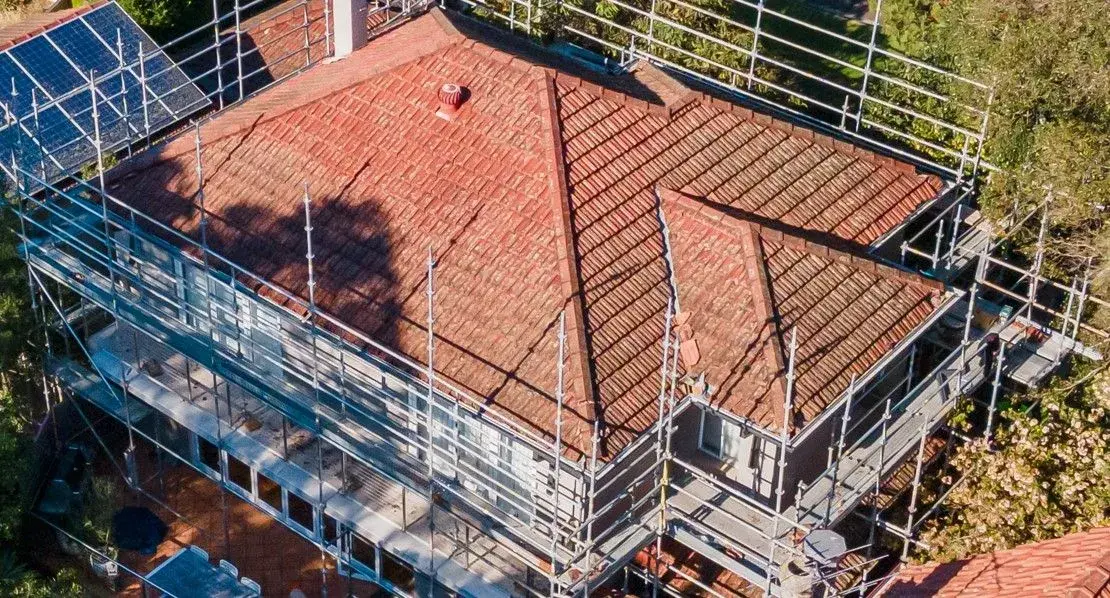
Roof vents keep your home’s temperature balanced and prevent moisture buildup, but they’re also a common source of leaks. When these components fail, water can quietly seep into your roof cavity, often going unnoticed until serious damage has occurred.
Stains Around a Roof Vent?
A leaking roof vent lets water into the roof cavity, often unnoticed until the damage is done. Our Sydney team can find the source and stop it before it spreads.
If you’ve spotted water stains on your ceiling after Sydney’s heavy rainfall or noticed damp patches around your roof penetrations, you might be dealing with a roof vent leak. Knowing what causes these leaks and how to fix them can save you from expensive repairs down the track.
Common Roof Vent Leak Issues We See Across Sydney Homes
At Tomkat Roofing, we regularly inspect roof vent leaks in Sydney homes, particularly after heavy rainfall in areas like the Northern Beaches, Hills District and Western Sydney. In many cases, what appears to be a major roof leak is actually failed flashing around a whirlybird or cracked plumbing vent seal. We often find that minor installation shortcuts taken years earlier become serious water entry points during storms. Identifying the true source early prevents unnecessary full roof replacements and keeps repair costs manageable.
What Are Roof Vents and Why Do They Matter?
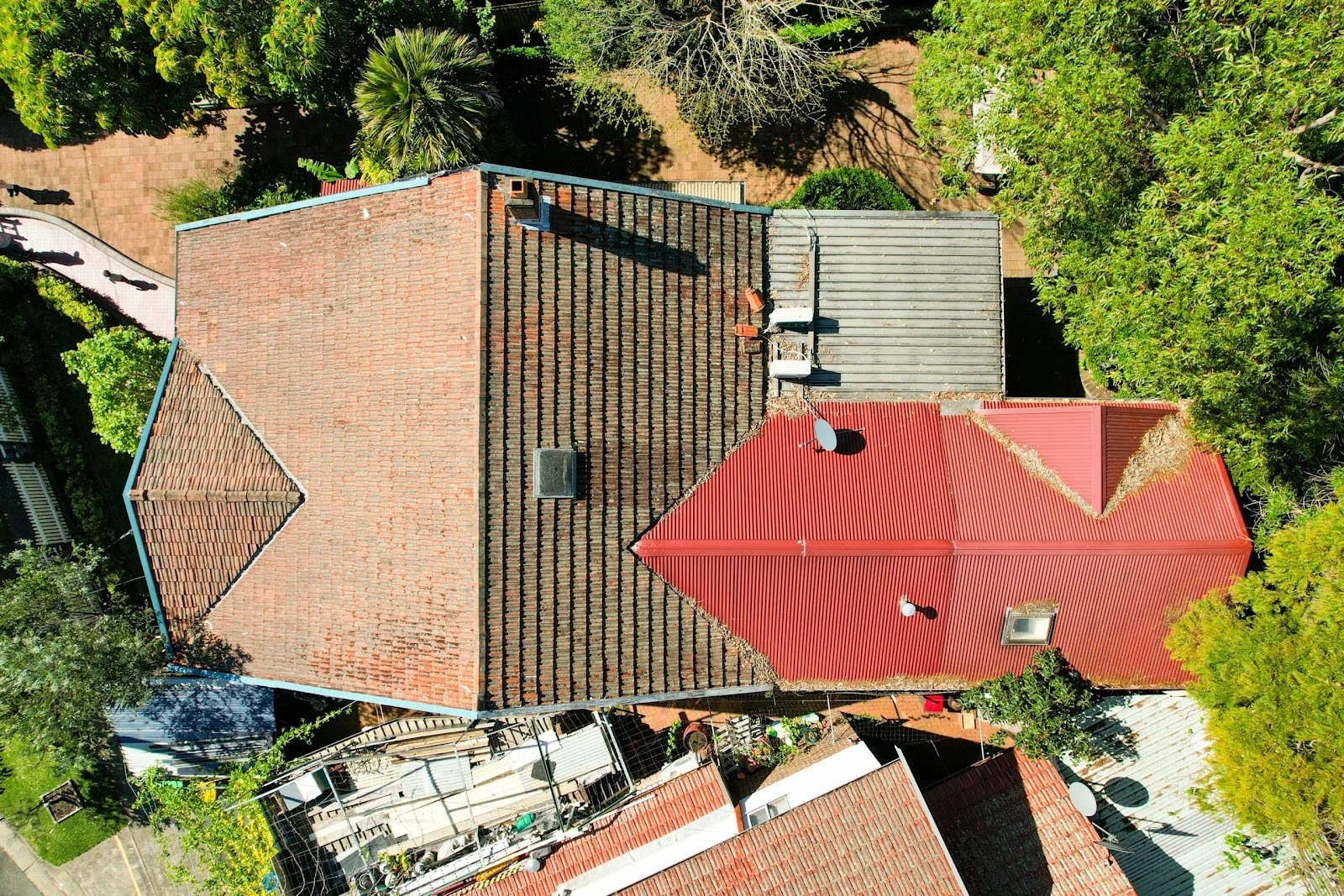
Roof vents let hot air and moisture escape from your roof space, preventing heat buildup in summer and condensation problems in winter. Common types installed on Sydney homes include whirlybirds (turbine vents), ridge vents, box vents, and plumbing vents.
While these ventilation systems keep your home healthy, they create openings in your roof where water can enter if not properly installed or maintained.
Common Causes of Roof Vent Leaks
1. Damaged or Deteriorated Flashing
Flashing is the metal or rubber material that seals the gap between your roof vent and the roofing material. Over time, Sydney’s harsh UV exposure, temperature changes, and wild weather can cause flashing to crack, corrode, or lift away from the roof surface.
Even quality flashing materials eventually break down, and once that seal is broken, water has a direct path into your roof cavity.
2. Improper Installation
Poor installation is one of the most common reasons for roof vent leaks. If vents weren’t fitted correctly or if flashing overlaps were done wrong, small gaps become entry points for water during heavy rain.
Many DIY installations or rushed jobs skip necessary waterproofing steps, leading to problems that only become apparent years later.
3. Broken or Cracked Vent Components
The vent itself can become damaged over time. Plastic vent covers can become brittle and crack from sun exposure, while metal components may rust or corrode. High winds during Sydney storms can also physically damage vent caps or loosen fittings.
4. Blocked or Clogged Vents
Leaves, bird nests, dust, and debris can build up around and inside roof vents. When vents become blocked, moisture can’t escape properly and may instead be forced back into the roof structure. This trapped moisture eventually finds its way through weak points in the roofing system.
5. Roof Movement and Settling
Australian homes naturally expand and contract with temperature changes. This movement can loosen vent fittings or crack old seals, especially if the original installation didn’t account for this natural structural shift.
6. Extreme Weather Events
Sydney’s unpredictable weather, from intense summer storms to occasional hail, takes a toll on roof vents. High winds can lift flashing, while driving rain can force water past damaged seals that might otherwise hold up under normal conditions.
📖 People also read about:
Warning Signs of a Leaking Roof Vent
Early detection is key to preventing extensive water damage. Watch for these telltale signs:
1. Water Stains on Ceilings
Yellow, brown, or copper-coloured stains spreading across your ceiling are clear indicators that water is getting through your roof. These marks typically appear after rain and often show up near bathroom fans, kitchen vents, or in the roof cavity.
2. Dripping or Moisture During Rainfall
If you hear dripping sounds or notice active water entry during or immediately after rain, your roof vent seal has likely failed. This type of leak needs urgent attention to prevent internal rot and structural damage.
3. Mould Growth or Musty Odours
Persistent damp smells or visible mould around vents or on ceilings mean ongoing moisture is getting in. Mould not only damages your home’s structure but also creates serious health risks for your family.
4. Visible Damage to Flashing
From ground level or during a roof inspection, you might notice lifted, rusted, or out-of-place flashing around roof vents. This visible deterioration is a warning sign that leaks are either happening or about to happen.
5. Damaged Interior Surfaces
Peeling paint, bubbling wallpaper, sagging ceiling sections, or warped timber near vents all point to water damage from above.
Professional Repair Solutions for Roof Vent Leaks
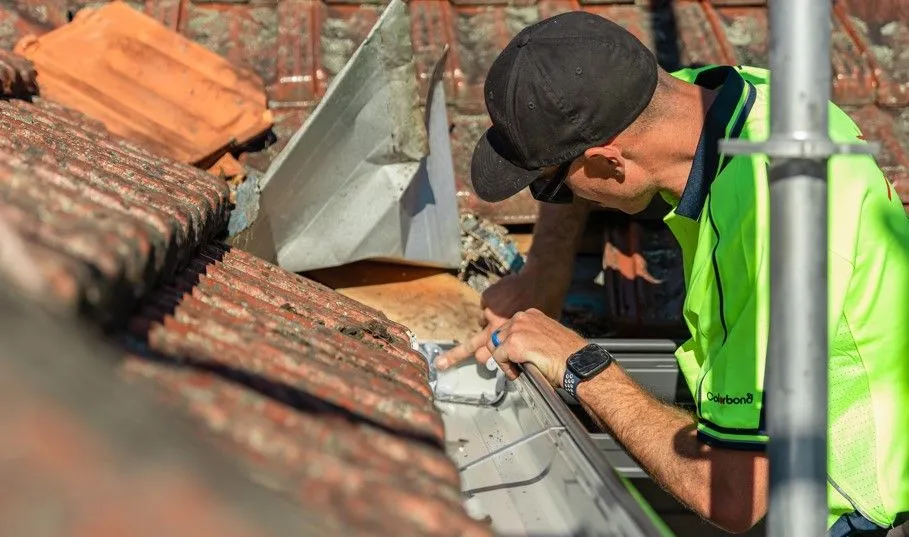
While temporary DIY fixes might buy you some time, lasting repairs need professional expertise. Here’s what Tomkat Roofing’s licensed team can do:
1. Thorough Roof Inspections
Our team conducts detailed inspections to find the exact source of leaks. We check not just the visible components but also the underlying waterproofing, making sure nothing is missed.
2. Flashing Replacement and Resealing
If flashing is damaged beyond simple repairs, we’ll replace it with high-quality, corrosion-resistant materials designed for Sydney’s climate. Proper installation techniques create a watertight seal that lasts.
3. Vent Repair or Upgrade
Depending on the condition, we can repair existing vents or recommend modern alternatives that offer better weather resistance and longevity. Upgrading to quality vent systems can prevent future problems.
4. Professional Waterproofing
We apply commercial-grade sealants and waterproof membranes that far outlast hardware store products. These professional solutions are specifically designed for Australian weather conditions.
Preventing Future Roof Vent Leaks
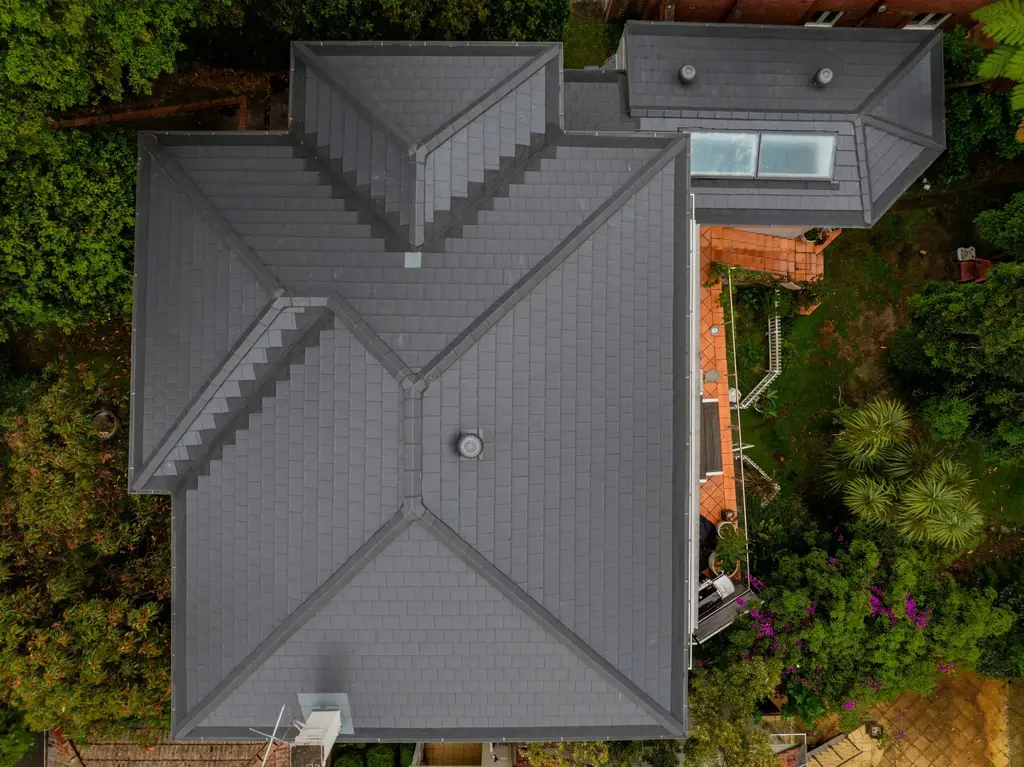
Prevention is always more cost-effective than repairs. Here’s how to protect your Sydney home:
1. Schedule Regular Roof Inspections
Annual professional inspections catch small problems before they become expensive ones. In Sydney, we recommend roof inspections at least once every 12 months, and immediately after major storm events. According to Australian insurance data, water damage claims are among the most common household claims, and many originate from poorly maintained roof penetrations such as vents and flashing.
2. Keep Gutters and Roof Surfaces Clean
Sydney’s trees shed plenty of leaves, which can clog gutters and build up around vents. Regular cleaning prevents water overflow and keeps proper drainage away from vulnerable roof openings.
📖 People also read about:
3. Check for Storm Damage Quickly
After severe weather events, have your roof inspected for damage. High winds and hail can break vent seals and flashing without obvious signs from ground level.
4. Consider Roof Maintenance Plans
Investing in ongoing maintenance gives you peace of mind year-round. Regular check-ups and preventive care extend the life of your roof and all its components.
5. Replace Ageing Components Before They Fail
If your roof vents or flashing are over 10-15 years old, consider replacing them before they break. Getting ahead of the problem is far less disruptive and costly than emergency repairs after water damage occurs.
When to Call the Professionals
While minor maintenance like clearing debris is manageable, roof vent leak repairs should be handled by licensed professionals. Here’s when to contact Tomkat Roofing:
- You can't locate the exact source of the leak
- Water stains are spreading or appearing in multiple locations
- You notice mould growth or persistent damp smells
- Flashing appears severely damaged or corroded
- You lack proper safety equipment for roof access
- Previous DIY repairs haven't solved the problem
Attempting complex roof repairs without the right expertise and equipment can be dangerous and may void your roof warranty or insurance coverage.
Why Trust Tomkat Roofing With Roof Vent Repairs?
1. Fully Licensed and Insured Roofing Contractors in NSW
Our team operates with full licensing and insurance, ensuring all roof vent repairs meet NSW regulatory requirements and provide protection for homeowners.
2. Experienced in Tiled and Metal Roof Vent Repairs
We specialise in repairing and replacing roof vents across both tiled and metal roofing systems, using techniques suited to each material type.
💡 Need help?
We offer professional roof repair casula to help you achieve your goals.
3. Familiar with Sydney’s Coastal and High-Wind Exposure Requirements
Our repairs account for Sydney’s varied conditions, including salt exposure, heavy rainfall, and strong winds that can impact vent flashing and seals.
4. All Work Compliant with Australian Roofing Standards
Every repair is completed in accordance with relevant Australian roofing and building standards to ensure long-term durability and safety.
5. Workmanship Warranty Provided on Repairs
We stand behind our work by offering a workmanship warranty, giving you confidence that your roof vent repair is built to last.
Protect Your Sydney Home from Roof Vent Leaks
Roof vent leaks might start small, but left unaddressed, they can lead to serious structural damage, mould growth, and expensive interior repairs. Recognising the warning signs early and taking quick action protects both your home and your family’s health.
At Tomkat Roofing, our licensed team knows Sydney’s unique weather challenges and has the expertise to deliver lasting solutions. We combine quality materials, proven techniques, and transparent service to keep your roof watertight for years to come.
Don’t let a small vent leak turn into a major problem. Contact Tomkat Roofing today for a free, no-obligation inspection and quote. Our experienced team will assess your roof, clearly explain any problems, and give you honest recommendations tailored to your home’s needs.
Book your free roof inspection now and experience the difference of award-winning service and unmatched craftsmanship.
Frequently Asked Questions
How much does it cost to repair a leaking roof vent in Sydney?
It depends on the type of vent, the access, and whether it is a flashing reseal or a full vent replacement. A minor reseal is inexpensive; a corroded vent that has caused cavity damage costs more. An inspection gives you a firm figure.
Can a leaking roof vent cause structural damage?
Yes. Water tracking in around a vent can rot timber battens and rafters, ruin insulation, and stain or collapse plasterboard. Because it often goes unseen, the damage can be well advanced before you notice it.
Are roof vent leaks covered by insurance?
Sometimes, if the leak results from a sudden insured event like a storm. Leaks caused by age, wear, or poor maintenance are usually not covered. Check your policy and document the damage.
How long does roof vent flashing last?
Quality flashing, correctly installed, can last 15 to 20 years or more. Cheaper materials, poor installation, or harsh sun and salt air shorten that considerably, which is why regular checks matter.
What are the signs of a leaking roof vent?
Water stains or damp patches on the ceiling near a vent, a musty smell in the roof space, rust marks around the vent, and dripping during heavy rain are the common signs. Catching them early keeps repairs small.
Fix the Leak at the Vent
Most vent leaks come down to failed flashing or seals. Our team reseals or replaces the flashing properly so your roof stays watertight.