
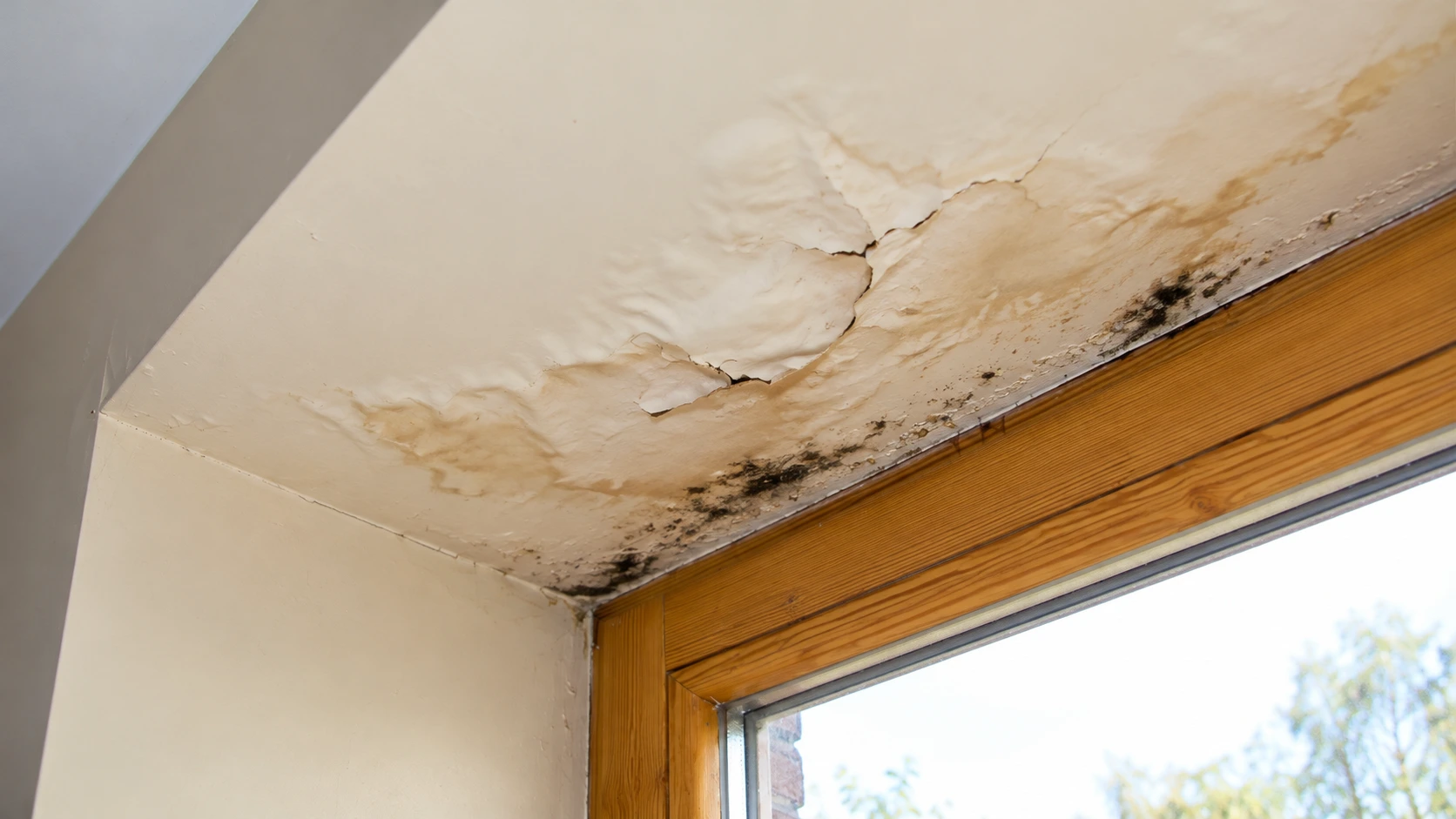
Damp on a ceiling gets read as one thing: the roof is leaking. Sometimes that is right. Often enough it is not, and the difference matters more than most people realise, because the two problems have almost nothing in common except the mark they leave behind. One is water getting in from outside. The other is water forming inside your own roof cavity, made by your own household. Fix the wrong one and you have spent money on a roof that was never the issue.
Leak or Condensation? We Can Tell
Our experienced Sydney roofers can check your roof space and pinpoint what is really causing the moisture.
What each one actually is
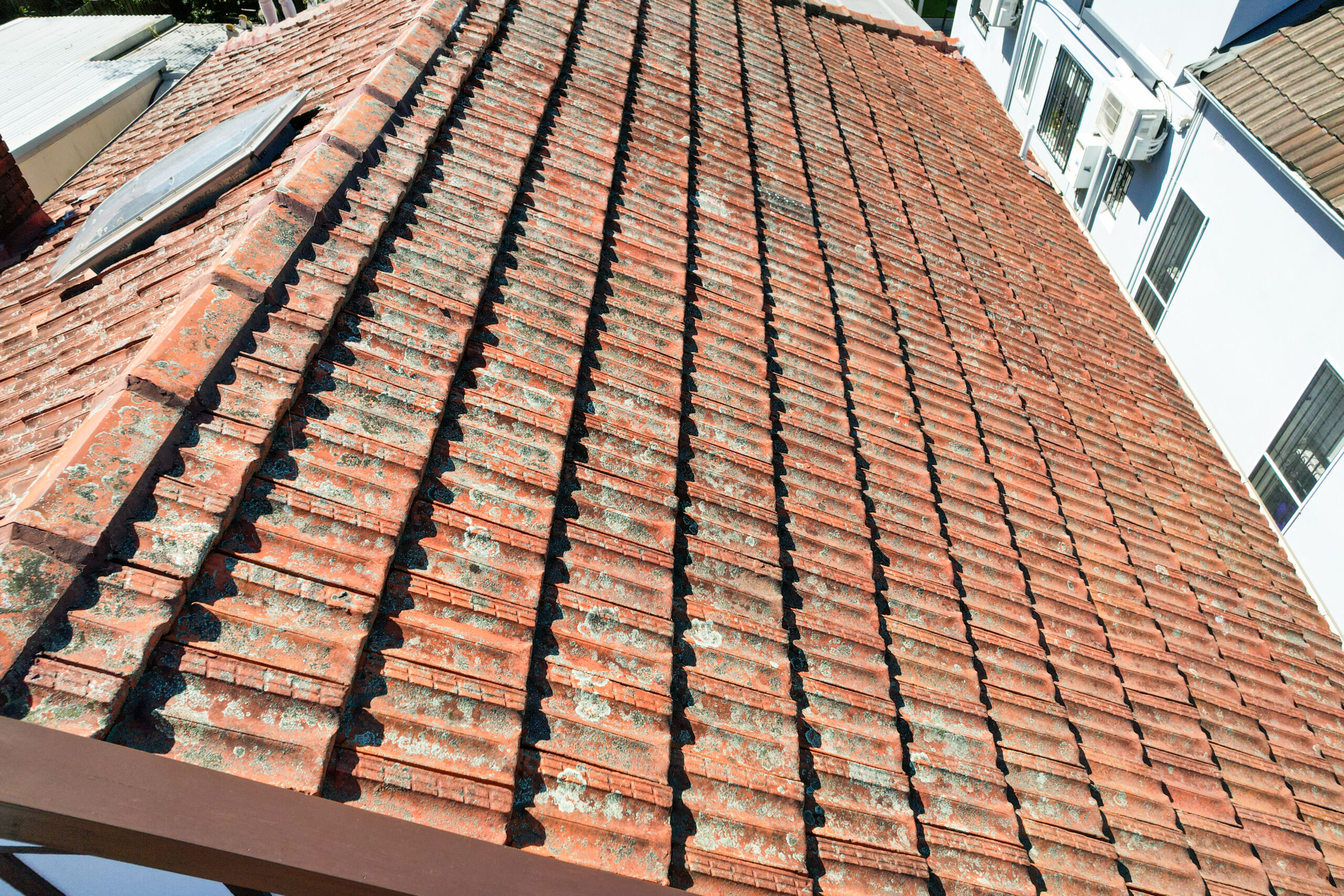
A roof leak is water entering from outside through a failure point. A cracked tile, perished pointing, lifted flashing, a rusted valley. The water tracks along framing or sarking and drops at the first low point, which is why the stain often sits well away from where the water got in.
Condensation is water the house makes. Warm, moist air from showers, cooking, drying clothes and gas heating rises into the roof space, meets the cold underside of the roof or the metal fixings, and turns back into liquid. On cold mornings it can collect and drip in volume that feels exactly like a leak. Some homeowners describe it as raining inside the roof, and that description is not far off.
Five tests that separate them
None of these is conclusive on its own. Together they usually point one way.
- Timing. A leak reacts to rain. If the mark appears or grows during and just after a downpour and does nothing the rest of the week, look at the roof. Condensation reacts to cold and to what is happening inside the house, so it shows up on clear winter mornings with no rain in sight.
- Spread. Leaks concentrate. You get one saturated area, often near a penetration such as a skylight, vent or chimney. Condensation is widespread, showing as beads of moisture across the underside of the roof, on fixings, and on large areas of insulation rather than one patch.
- Colour and edge. A leak usually leaves a yellow-brown mark with a defined ring, because the water has picked up dust and timber tannins along the way. Condensation marks tend to be paler, softer edged, and more diffuse.
- Location in the room. Leak stains follow the roof structure. Condensation frequently shows in room corners, along the tops of walls, and around light fittings, because those are the coldest points and the gaps where moist air escapes upward.
- Smell. A persistent musty smell through a whole room or across the ceiling cavity, with no single wet spot, leans towards condensation rather than a discrete leak.
If the tests point in different directions, that is worth taking seriously rather than picking the answer you prefer. Booking a roof inspection that includes time inside the cavity is the only reliable way to settle it, and it is the step homeowners most often skip.
Why Sydney homes get roof condensation
This is a newer problem than most people expect, and it is getting more common rather than less.
Modern homes are sealed far more tightly than the housing stock they replaced. Better weather seals and better insulation keep warm air in, which is the point, but that same air now has fewer ways out. Meanwhile the number of holes in the average ceiling has gone up. Downlights, ducted air conditioning outlets and exhaust fans all break the ceiling plane, and moist air rides straight up through them.
The other frequent culprit is an exhaust fan that discharges into the roof space rather than outside. It is quick to install that way and it moves the bathroom’s moisture directly into the cavity, where it has nowhere to go. Add insulation batts pressed hard against the underside of the roof, blocking what little airflow existed, and you have built the conditions for condensation without touching the roof itself.
📖 People also read about:
Older Sydney homes with no sarking behave differently again. They breathe more, so condensation is less common, but there is no secondary barrier if water does get past the tiles.
Getting it wrong is expensive both ways
Treat condensation as a leak and you can end up repointing ridge caps, replacing flashing or even re-roofing, then watching the damp come back the following winter. Treat a leak as condensation and the water keeps arriving while sarking, battens and ceiling lining quietly deteriorate.
Our team sees both scenarios, and the second one costs more. Water that has been getting in for a season turns a straightforward repair into ceiling replacement and new insulation. The diagnosis is the cheap part of this job, so it is a poor place to guess.
What a proper diagnosis involves

A roofer who only looks from the ground, or only walks the roof, cannot tell you which problem you have. The cavity is where the evidence sits.
📖 People also read about:
A thorough inspection means getting into the roof space to check whether the moisture is on the underside of the roof or on the top of the ceiling, whether the insulation is wet in one spot or across the board, whether exhaust fans are ducted outside, and whether there is any working ventilation. On the roof, it means checking the penetrations, valleys and flashing for genuine entry points. We photograph what we find either way, so you can see the evidence rather than take a verdict on faith.
💡 Need help?
We offer professional roof inspections sydney to help you achieve your goals.
If it turns out to be condensation, the fix sits in ventilation and airflow rather than roofing work. Any roofer worth using will tell you that plainly instead of quoting you for a roof you do not need.
Not sure which one you are dealing with? Book a free inspection with Tomkat Roofing or call 1300 866 528. We will check the roof and the cavity, send you the photos, and give you an honest answer on what is actually causing the damp.
Still Not Sure What's Causing the Damp?
Book a roof inspection and get a clear answer, plus the right fix for a leak or condensation.