

A wet patch on the ceiling feels like it should be simple. Water is dripping there, so the hole must be directly above it. Roofs almost never work that way.
Water gets in at one point, then travels. It runs along battens, slides down rafters, follows sarking, tracks across the top of a ceiling joist, and finally drops off at the lowest or weakest spot it can find. By the time it reaches your plasterboard, the actual entry point can be several metres away and on a completely different part of the roof.
Working backwards from the stain to the real source is the part most homeowners get wrong. Here is how it is done properly.
Can't Find Where the Leak Starts?
Water often travels before it drips. Our Sydney roofers trace leaks back to the real source.
Why the stain is the last clue, not the first
Think of the stain as the exit, not the entrance. Your job is to follow the water uphill.
Two things influence where water lands inside. The first is the pitch of your roof, because steeper roofs move water further before it drops. The second is what sits in the cavity, since insulation batts, ducting and cabling all interrupt the flow and redirect it sideways.
This is why patching the spot above the stain so often fails. The sealant goes on a perfectly sound section of roof while the real gap stays open, and the next heavy rain brings the leak straight back.
Start inside the roof cavity, not on the roof
Before anyone climbs a ladder, the roof space tells you more.
Go up with a strong torch on a dry day and look for the trail rather than the drip. Rust marks on nail heads, dark streaks running down a rafter, water-marked timber, compressed or discoloured insulation, and a musty smell in one corner all point in a direction. Follow those marks upslope until they stop. Where the staining ends is usually very close to where the water is entering.
Mark that spot. A piece of tape on the rafter or a nail pushed through the sarking gives you a reference you can find again from the outside.
A second inspection during or right after rain is worth the effort, because an active drip shows you the live path instead of a historical one. Sarking complicates this, since water can sit on top of the membrane and run a long way before finding a join or a tear, so trace the wet line on the sarking itself rather than assuming it entered directly above.
The entry points that cause most Sydney leaks
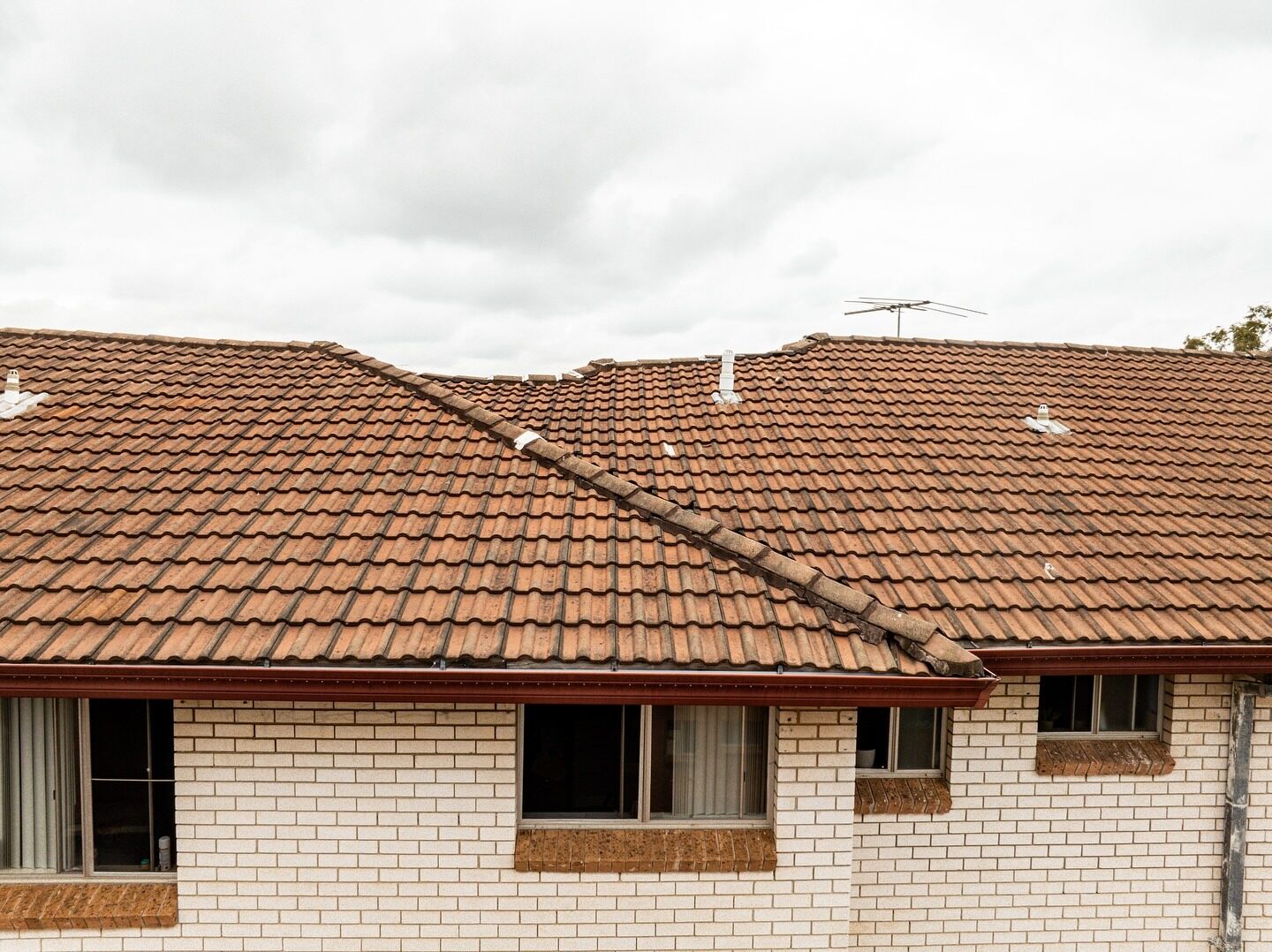
Once you have a rough zone, check the usual suspects in that area of the roof.
Valleys. Where two roof planes meet, debris collects and valley irons corrode. Leaves pack in, water backs up over the edge of the valley, and it enters under the tiles.
📖 People also read about:
Flashings. Around chimneys, skylights, parapets and wall abutments, flashings and their sealant fail long before the roof does. Lifted, split or badly lapped flashing is behind a large share of the leaks we attend.
Ridge capping and bedding. On tile roofs, cracked mortar bedding and perished pointing let water straight through the ridge line, then it runs down inside the roof and appears well away from the ridge.
Gutters and box gutters. Blocked or undersized gutters let water pool above the fascia line and back up under the roof sheets or tiles. Box gutters on Sydney terraces and extensions are a frequent offender because a single blockage floods the whole tray.
Penetrations. Vent pipes, whirlybirds, aerials, solar mounting feet and air conditioning brackets all create holes that rely on seals nobody ever checks.
📖 People also read about:
Cracked or slipped tiles. Foot traffic from other trades is the most common cause, and one hairline crack is enough.
Testing with water, done in stages
If visual checks have narrowed the area but not confirmed it, a controlled hose test settles it.
The rule is patience. One person runs a garden hose on the roof while another watches inside the cavity with a torch. Start at the lowest point of the suspect zone and let the water run for several minutes before moving up. Test one element at a time, so the gutter line first, then the tile field, then the flashing, then the ridge. Soaking the whole roof at once tells you nothing except that it leaks.
When a leak resists all of this, thermal imaging and moisture meters pick up damp inside the structure that the eye cannot see. That combination of methodical testing and diagnostic equipment is what our team relies on for leaking roof repairs across Sydney, particularly on older tile roofs where three or four minor faults can feed a single stain.
Tile and metal roofs behave differently
On tile roofs, water spreads. Tiles are designed to shed water in overlapping layers, so a fault high on the roof can send water a long way down before it clears the tiles and drops. Look upslope more than you think you need to.
💡 Need help?
We offer professional roof repair casula to help you achieve your goals.
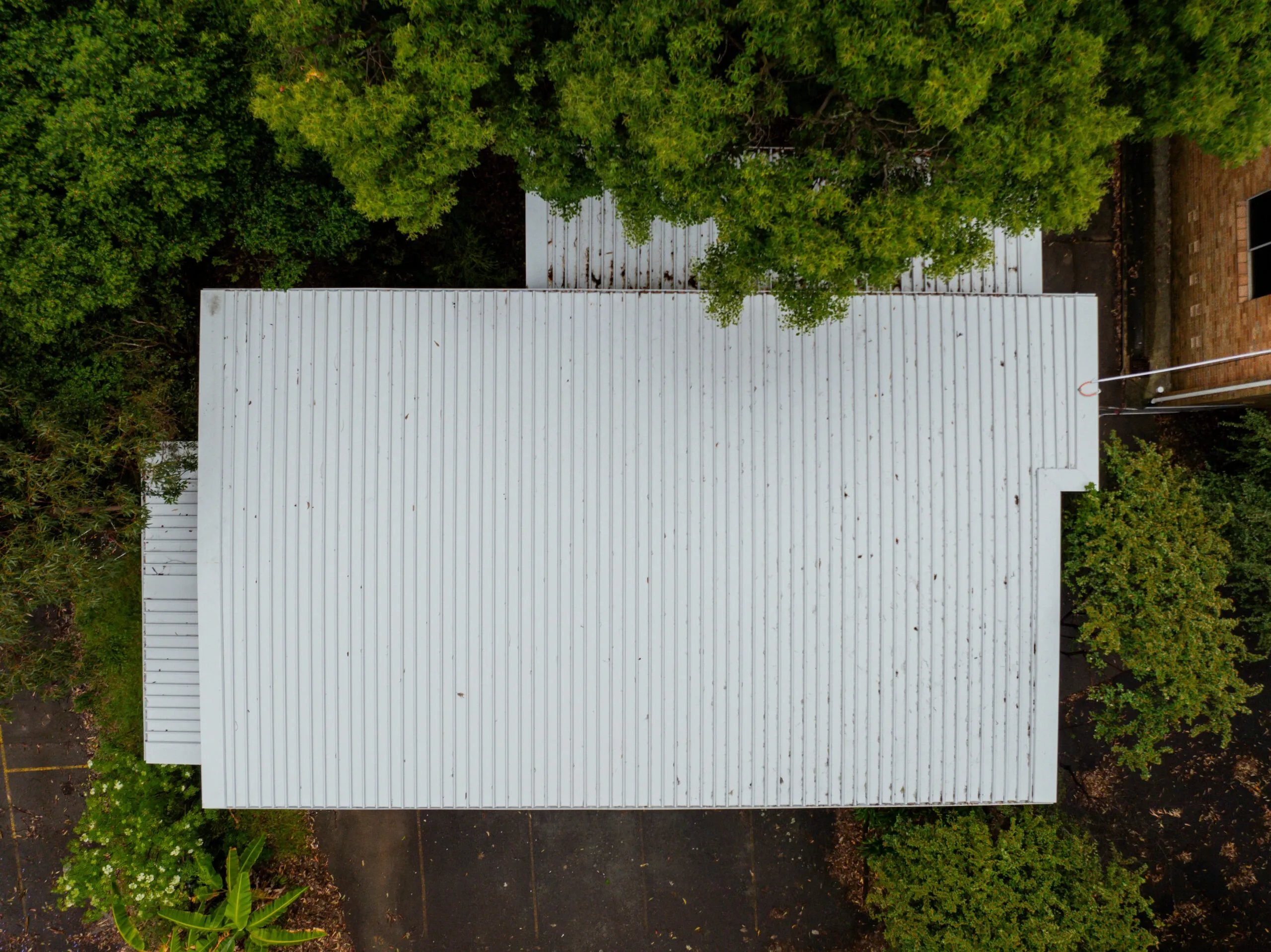
On metal roofs, water follows the pans and the fixings. Screws with perished rubber washers, lifted sheet ends, capillary action drawing water back up a lap, and rust at the fastener are the usual causes. Leaks tend to appear closer to the entry point, but sheet laps can still carry water sideways along a rib.
When to stop looking and call a roofer
Chasing a leak is safe from inside a roof cavity. It stops being safe on the roof itself, especially on wet tiles, a steep pitch, or a two-storey home.
There is also a cost argument. Repeated guesswork patching does more damage than a single correct diagnosis, and by the time water has reached timber framing you are dealing with rot and mould rather than a roof repair. Our managing director Tom Stephens has spent more than twenty years on Sydney roofs, and the pattern is consistent, since the leaks that become expensive are the ones that were sealed in the wrong place two or three times first.
If you have a stain that keeps coming back, or you have run out of safe places to look, get in touch with Tomkat Roofing for a proper inspection. We photograph everything we find, explain what is causing it, and give you a fixed price before any work starts. Call 1300 866 528 or request your free quote today.
Get Your Roof Leak Traced and Fixed
Stop patching the wrong spot. Our experienced team will find the true entry point and repair it properly.