
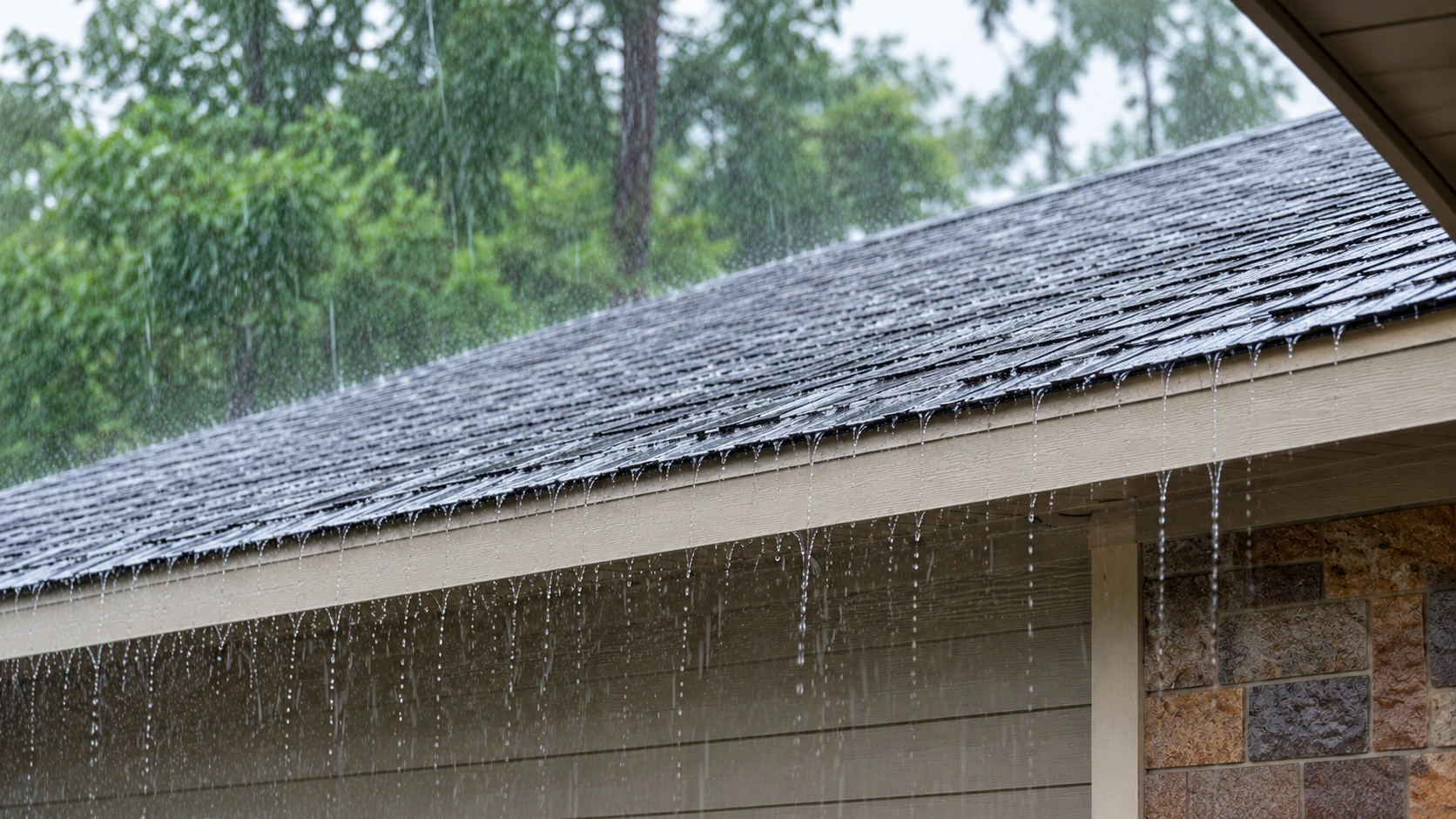
Rain is hammering down, and there is a dark patch spreading across your ceiling. It is a horrible feeling, and the instinct for most people is to grab a ladder and go looking for the hole. Please don’t. What you do inside the house in the next thirty minutes matters far more than anything you could attempt on a wet roof, and almost all of it is about protecting your family and limiting the damage until the weather eases and a roofer can get to you safely.
Roof Leaking Right Now?
Call our Sydney team for help to stop the water and limit the damage inside your home.
What to do when you discover a leaking roof: the first fifteen minutes
Work through these in order.
Turn off the power to the affected area. If water is anywhere near a downlight, ceiling fan, or power point, switch off that circuit at the switchboard. Water travelling along wiring is one of the few genuinely dangerous outcomes of a roof leak, and it is the reason our team asks about light fittings before anything else when an emergency call comes in.
Move what you can. Lounges, rugs, electronics, paperwork. Water spreads across a ceiling cavity and comes through in places you would not predict, so give yourself a wider clear zone than the drip suggests.
Catch the water properly. A bucket with a tea towel in the bottom stops the splashing. Swap containers before they overflow rather than after.
📖 People also read about:
Soak up the overflow. Old towels along skirting boards keep water out of floorboards and carpet underlay, which is where the expensive secondary damage usually happens.
If the ceiling is sagging, release the water
A bulging or sagging plasterboard ceiling is holding a surprising amount of water, and if it lets go all at once you are looking at a much bigger repair plus a real injury risk. Put a bucket underneath, then use a screwdriver to make a small hole at the lowest point of the bulge and let it drain in a controlled way. It feels wrong to deliberately damage your own ceiling. It is far better than replacing an entire sheet along with whatever was sitting below it.
Stay off the roof while it is raining
We say this on nearly every storm callout. A wet tiled roof is slippery, terracotta and concrete tiles crack underfoot, and Colorbond sheeting in the rain is close to an ice rink. Our tradesmen carry working-at-heights and elevated work platform certification precisely because roofs are genuinely hazardous in these conditions, and even then we make a call about whether it is safe to go up during an active downpour.
Investigate from inside instead. If your manhole is accessible and the space is dry enough to stand near, look into the roof cavity with a torch. Wet insulation, dark streaks down a rafter, or a trail of water running along a beam will tell you and your roofer a great deal. Water often enters metres away from where it appears on your ceiling, so the entry point is rarely directly above the drip.
Photograph everything while it is happening
This is the step most people skip, and it is the one that saves the most money later. Take photos of the wet ceiling, the water in the buckets, the damaged contents, and anything you can see from ground level such as a slipped tile, a dangling piece of flashing or a gutter spilling over the side. Note the time and date the leak started.
📖 People also read about:
Insurers assess storm damage claims on evidence, and having a photo record from the height of the event supports your claim in a way that a dry ceiling three days later cannot. Tomkat works alongside some of the largest insurance repair builders and strata companies in Australia, and the claims that move fastest are always the ones with a clear timeline attached.
Why your roof only leaks when the rain is heavy
Light rain drains away. A serious downpour behaves very differently, and it exposes weaknesses that stay hidden the rest of the year.
- Blocked or undersized gutters back water up under the bottom row of tiles or behind the fascia.
- Wind-driven rain pushes water sideways and uphill, past flashings and under ridge caps that would otherwise hold.
- Cracked or slipped tiles let water reach sarking or bare timber during sustained rain.
- Failed flashings around chimneys, skylights, vents and valleys give way once volume increases.
- Rusted valleys and old sarking hold on for years and then let go in one storm.
Understanding which of these applies to your roof matters, because the fix for a blocked gutter is nothing like the fix for a corroded valley. When we carry out leaking roof repairs in Sydney we trace the water back to its actual entry point rather than sealing the spot where it appeared, which is the difference between a repair that holds through the next storm and one that fails immediately.
What happens once the rain stops
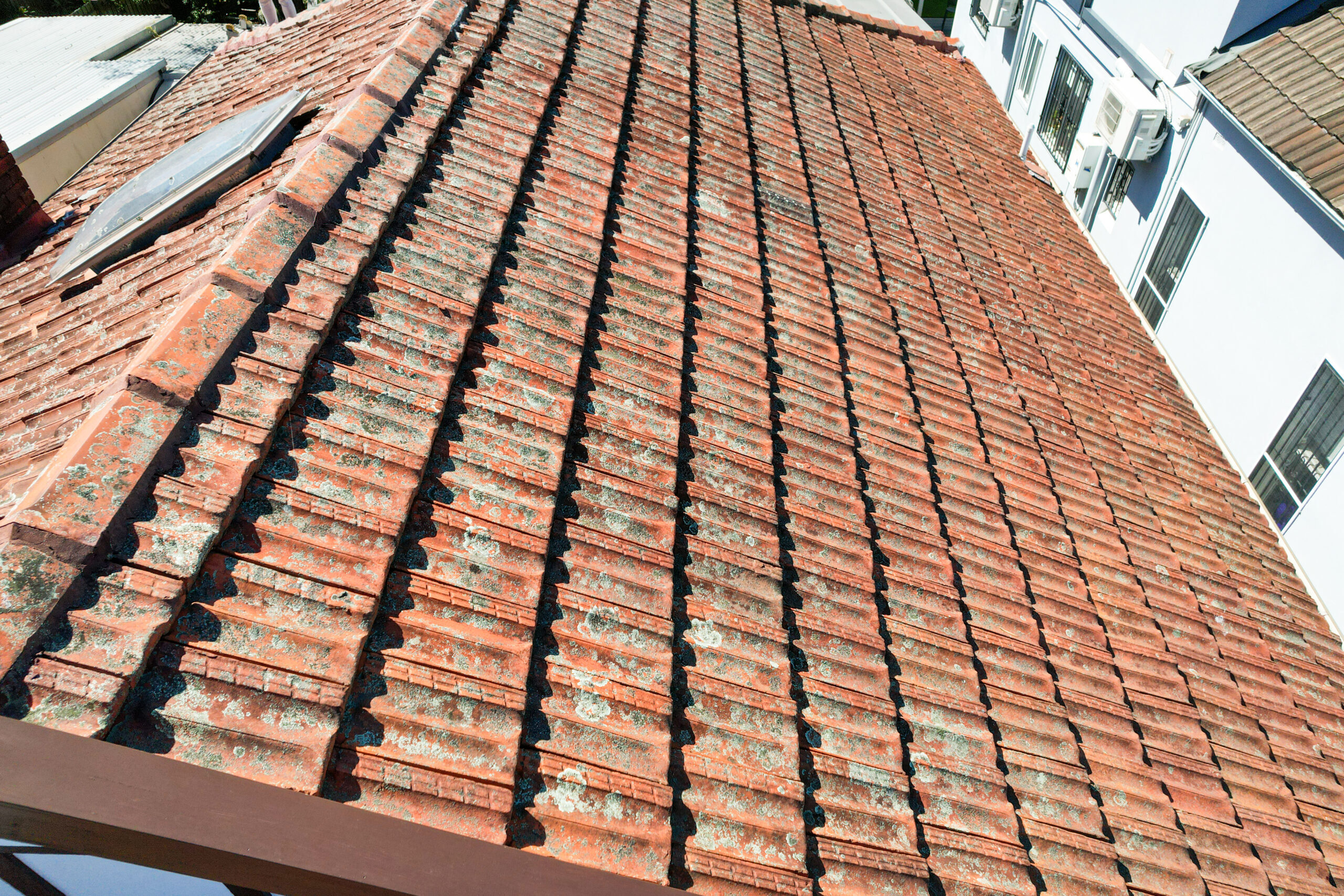
A proper response has a sequence to it. Exterior inspection from a safe access point, then an internal check of the roof cavity to trace the stain back to its origin, then confirmation with moisture readings or a controlled flood test where the source is not obvious. Only then does a permanent repair get scoped and priced.
💡 Need help?
We offer professional leaking roof repairs sydney to help you achieve your goals.
Temporary tarping can bridge the gap if more weather is on the way, and it is a holding measure rather than a repair. Under Tom Stephens, our Managing Director, Tomkat has worked on Sydney roofs for more than twenty years, and one pattern holds true across all of it. Leaks that get patched without being traced come back, usually worse and usually at the least convenient time.
Get your roof sorted before the next downpour
If your roof is leaking now, or it leaked during the last storm and you have been putting it off, get it looked at while the damage is still small. Tomkat Roofing is licensed, fully insured, and a winner of the 2024 and 2025 Australian Small Business Roofing Champion Awards, and we cover the whole of Sydney.
Call 1300 866 528 or get in touch with our team for a free, no-obligation inspection and a clear fixed-price quote.
Frequently Asked Questions
Should I put a tarp on my roof during heavy rain?
Not yourself. Tarping a wet roof means climbing on a slippery surface in poor visibility, often in wind, and it is one of the most common causes of serious falls during storm season. Contain the water inside and let a licensed roofer handle the exterior once conditions allow.
Why is my roof leaking in heavy rain but fine the rest of the time?
Volume is the difference. Blocked gutters, wind-driven rain and worn flashings all cope with light showers and fail once the water load increases. It is a genuine fault that only shows itself under pressure, not a one-off.
Will my insurance cover a roof leak from a storm?
Sudden storm damage is generally covered, while leaks caused by wear, age or lack of maintenance usually are not. Photos taken during the event, along with a professional inspection report, give your claim the best chance.
How quickly do I need to act on a small ceiling stain?
Sooner than you think. Trapped moisture leads to rotting timber, sagging plasterboard and mould inside a ceiling cavity, and those consequences cost considerably more to put right than the original roof repair would have.
Need the Leak Fixed Properly?
Once the rain stops, our experienced roofers will find the cause and repair it so it doesn't come back.