

When your roof is off for a replacement or major repair, you have a rare window to install proper ventilation that will lower your power bills, extend the life of your new roof, and keep your home cooler through Sydney summers. The systems worth adding while the roof is open include ridge vents, whirlybirds or powered roof fans, eave intake vents, gable vents, and solar-powered exhaust units, because installing them now costs a fraction of what retrofitting later would, and they can be sealed and flashed properly the first time around.
Sydney’s climate puts real pressure on roof spaces. Summer attic temperatures regularly climb past 60°C, baking your insulation and pushing heat down into living areas. Without good airflow, that trapped heat forces your air conditioner to work harder, cooks roof timbers, and creates the kind of moisture problems that lead to mould and rot. So if your roof is already off, this is the moment to fix all of it at once.
Roof Coming Off Soon?
A re-roof is your one cheap chance to vent the roof properly. Our Sydney team fits ridge vents, whirlybirds and eave intakes while the roof is open.
Why Tackle Ventilation During a Re-Roof
Adding vents to an existing roof means cutting holes through finished sheets, working around battens, and flashing each penetration from below. It’s fiddly, slower, and more expensive. With the roof off, your installer has clear access to the rafters, can position intake and exhaust points exactly where they need to go, and can integrate everything with the new sarking and insulation in one go.
You also avoid the warranty headaches. Cutting into a new Colorbond or tile roof a year after installation can void the manufacturer’s cover on those penetrations. Doing it during the original install keeps everything under one warranty umbrella.
If you’re already planning a re-roof in Sydney, the team at Tomkat Roofing can walk you through which ventilation options suit your roof pitch, material, and home orientation before work begins.
The Ventilation Systems Worth Considering
1. Ridge Vents
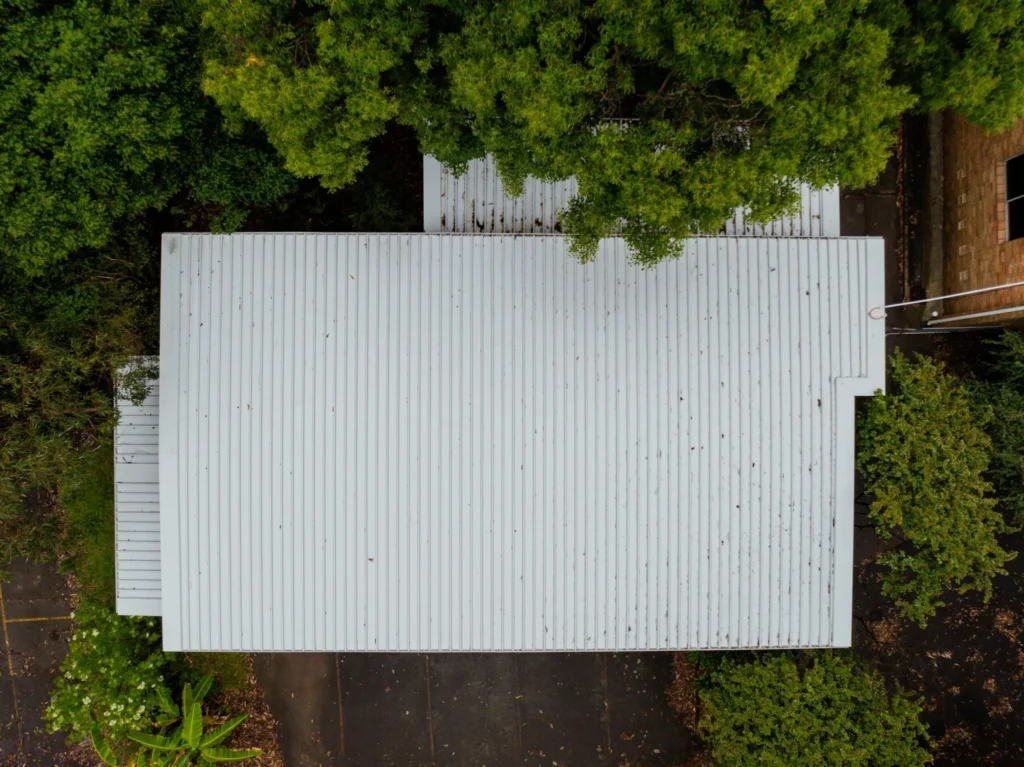
Ridge vents run along the highest point of your roof and let hot air escape passively. They’re discreet, work without electricity, and pair well with eave intakes to create continuous airflow. For metal roofs especially, ridge vents are one of the most efficient passive options available.
2. Whirlybirds (Wind-Driven Turbines)
Whirlybirds are the round spinning vents you see on rooftops across Sydney suburbs. They use wind to pull hot air out of the roof cavity and cost very little to run because they have no motor. Most homes benefit from two to four units depending on roof size, and they’re best installed near the ridge line for maximum draw.
📖 People also read about:
3. Solar-Powered Roof Vents
Solar vents take ventilation a step further. A small solar panel powers a fan that actively extracts hot air, moving far more volume than a whirlybird. They run when the sun is strongest, which is exactly when your roof needs the most cooling. No wiring, no running costs, and quieter than mains-powered units.
4. Eave Vents (Intake)
Exhaust vents only work if cool air can get in to replace the hot air leaving. Eave vents along your soffits are the intake side of the equation. Without them, ridge vents and whirlybirds end up pulling conditioned air from your living spaces instead of pulling fresh air from outside.
5. Gable Vents
For homes with gable ends, adding gable vents gives you additional cross-flow through the roof cavity. They work well in combination with eave vents and are particularly useful in older Sydney homes with steeper pitches.
Matching Vents to Your Roof Type
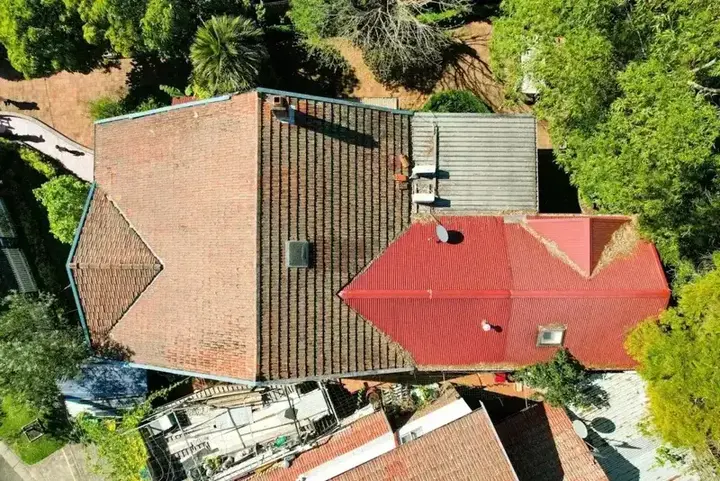
Tile and metal roofs handle ventilation differently. Metal roofs heat up faster but also cool down faster, making ridge vents and solar fans a strong match. Tile roofs hold heat longer, so you’ll often need more exhaust capacity, with two or three whirlybirds plus eave intake working well for most three-bedroom homes.
📖 People also read about:
Your roof pitch matters too. Low-pitch roofs need more mechanical assistance because passive airflow is weaker, while steep-pitched roofs draw air more naturally and may do fine with passive ridge venting alone.
A quick site assessment from Tomkat Roofing will tell you exactly what your specific roof needs based on its size, pitch, and material.
💡 Need help?
We offer professional roof installation to help you achieve your goals.
Insulation and Sarking Go Hand in Hand
While the roof is off, look at your sarking and insulation as part of the same project. Reflective sarking laid under the new roof sheets bounces radiant heat back outward, and proper bulk insulation between the ceiling joists stops what does get through from reaching your rooms. Ventilation moves the heat that gets past these layers out of the cavity entirely. All three work together, and skipping one weakens the other two.
What It Costs to Add Now Versus Later
Adding ventilation during a re-roof typically adds a small percentage to the overall project cost. Retrofitting the same systems later can cost two to three times more per unit because of the labour required to cut, flash, and seal each penetration on a finished roof. The energy savings start straight away too, with most Sydney homes seeing a noticeable difference in upstairs room temperatures the first summer after installation.
If your roof is coming off soon, get in touch with Tomkat Roofing through the contact page for a ventilation plan tailored to your home before the new roof goes on.
Frequently Asked Questions
How many whirlybirds does a Sydney home need?
Most three-bedroom homes need two to four whirlybirds, depending on roof size and cavity volume. A single whirlybird typically covers around 50 square metres of roof area.
Do roof vents leak?
Properly installed and flashed vents shouldn’t leak. The risk comes from poor installation, which is why fitting them during a full re-roof is safer than retrofitting later.
Will roof ventilation actually lower my power bill?
Yes, in most cases. A well-ventilated roof cavity can drop attic temperatures by 10 to 20°C, which reduces the load on your air conditioner during summer.
Are solar vents worth the extra cost over whirlybirds?
Solar vents move significantly more air than whirlybirds, so for larger homes or hotter west-facing roofs, the upgrade pays off. For smaller homes, whirlybirds are often enough.
Can I add ventilation without removing the roof?
You can, but it costs more and carries higher leak risk. If a re-roof is already planned, doing both together is the smarter move.
Ventilate It Right the First Time
From whirlybirds to solar exhaust and eave intakes, our team matches the right ventilation to your roof and seals every penetration properly.