
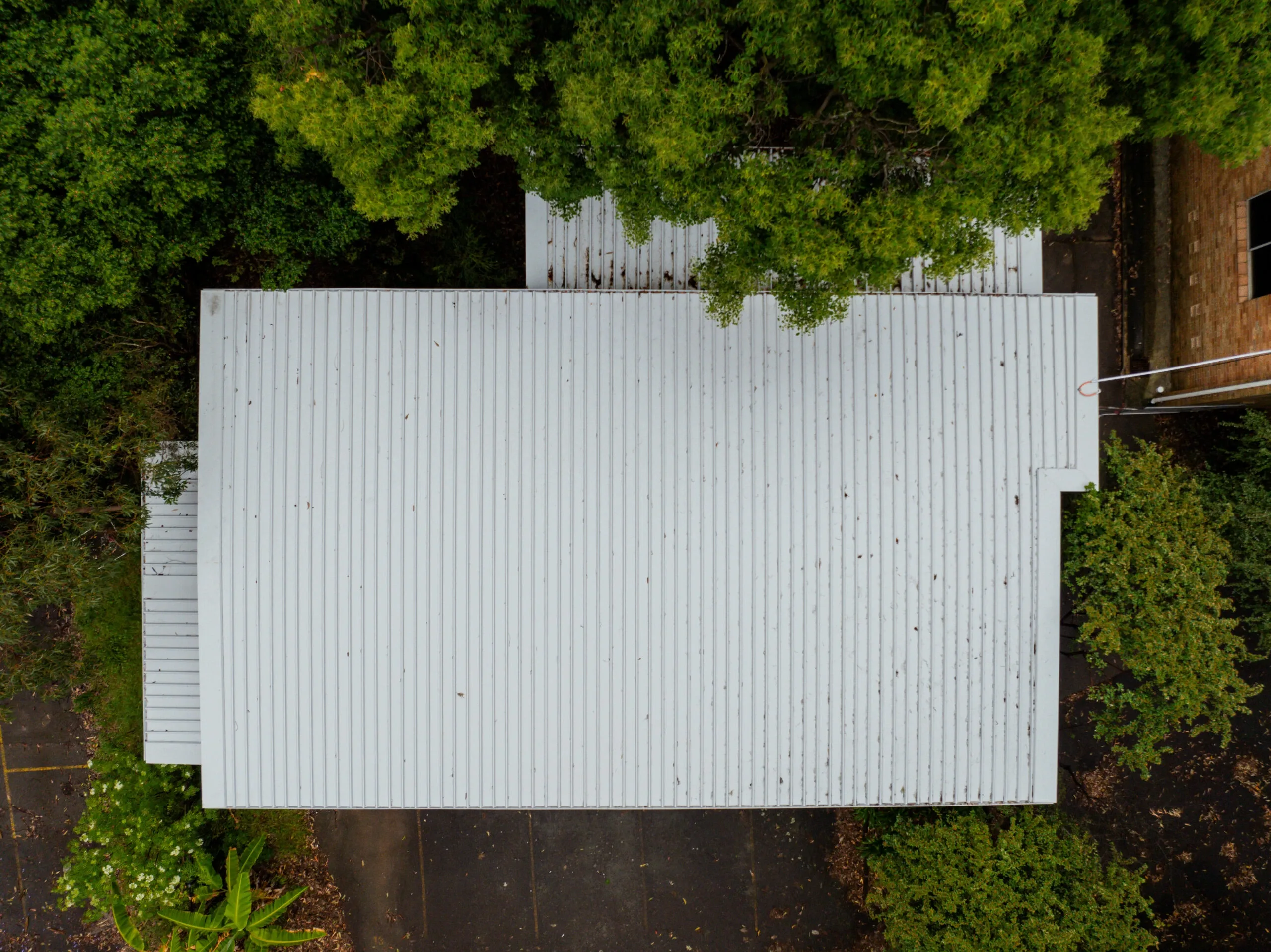
Screw back-out happens when the fasteners holding your metal roof sheets gradually lift, loosen, or rise above the surface, breaking the watertight seal and letting moisture creep into your roof cavity. You can spot it early by checking for raised screw heads, cracked rubber washers, rust streaks running down the sheets, and small dimples where screws sit lower than they should. Catching these signs before the next Sydney downpour can save you thousands in ceiling repairs, insulation replacement, and timber rot.
Metal roofing is built to handle Australian conditions, but the fasteners holding it down do the hardest work. Heat, wind, and salty coastal air all pull at those screws every single day. Once a few start backing out, the rest of the roof becomes more vulnerable.
Roof Screws Lifting or Leaking?
Backed-out screws and perished washers break the seal and let water in. Our Sydney roofers spot the failing fasteners before your ceiling pays for it.
Why Metal Roof Screws Back Out
Sydney roofs go through a brutal daily cycle. Temperatures swing from cool mornings to scorching afternoons, especially through summer. Metal sheets expand and contract with that heat, and the screws underneath flex thousands of times a year. Over a decade or two, that movement slowly walks the screws out of the timber battens below.
Other common culprits include:
1. Overdriven screws during installation. If the original roofer drove the screws too hard, the rubber washer gets crushed and the timber fibres around the shaft are damaged, reducing grip.
2. Underdriven screws. The opposite problem leaves a gap under the washer, so the seal never properly compresses.
3. Wind uplift. Strong southerlies and coastal gusts create repeated tugging on the sheets, slowly working screws loose.
4. Aged neoprene washers. UV exposure breaks down the rubber after 10 to 15 years, even on well-installed roofs.
5. Salt-air corrosion. Homes in suburbs like Maroubra, Manly, and Cronulla face accelerated rusting around the screw shank.
📖 People also read about:
Worried your roof might be heading this way? The team at Tomkat Roofing offer free visual inspections across Sydney and can flag fastener issues before they turn into ceiling stains.
Early Warning Signs You Can Check From the Ground
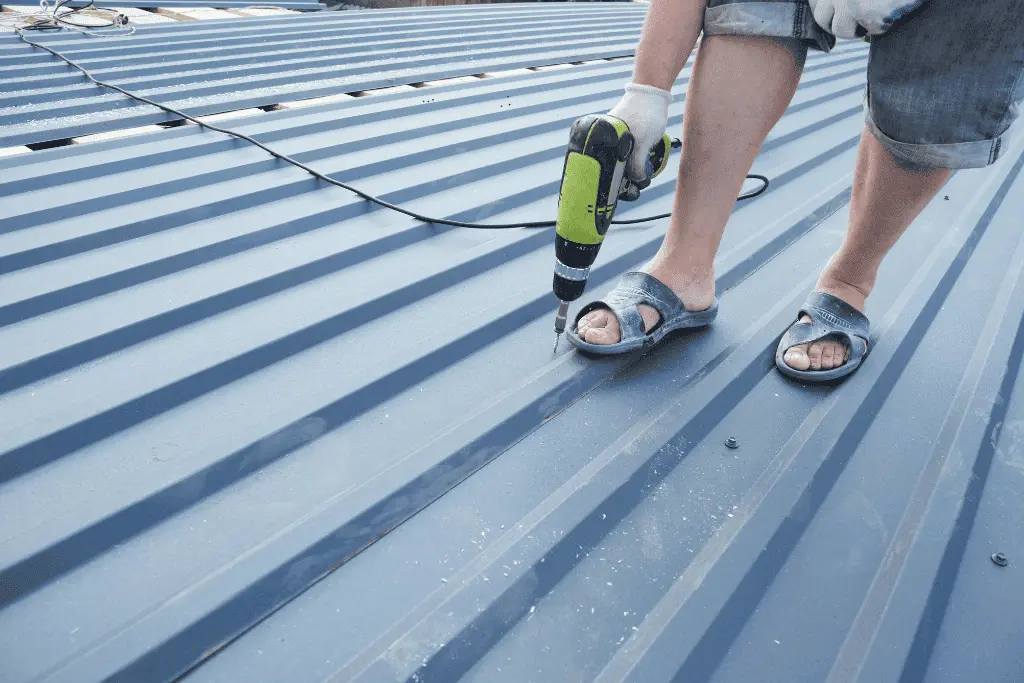
You do not need to climb onto the roof to find trouble. Most early signs are visible from your driveway, garden, or a first-floor window with a decent pair of binoculars.
Look for these red flags:
✓ Raised or proud screw heads. A screw sitting above the corrugation profile is the clearest sign of back-out. Healthy fasteners sit flush against the rubber washer.
✓ Rust streaks below screws. Orange or brown stains running down from individual screw points usually mean the washer has failed and water is sitting against the metal shaft.
✓ Visible rubber washer damage. Cracked, curled, or missing washers expose the screw hole directly to rain.
✓ Loose or shifting roof sheets. If sheets rattle in strong wind or look slightly lifted along the ridge, fasteners have lost their grip.
📖 People also read about:
✓ Daylight in the roof cavity. Pop your head into the manhole on a sunny day. Any pinpricks of light coming through the iron above mean screws have backed out or are missing entirely.
✓ Internal ceiling stains. Even faint yellow rings on the ceiling, particularly after heavy rain, often point back to fastener failure rather than gutter overflow.
Why Early Detection Matters in Sydney
Sydney rain rarely arrives politely. When an east coast low rolls in, water finds every weak point at once. A single backed-out screw can drip thousands of litres into a roof cavity during a storm, and that water travels along battens before showing up on your ceiling, often metres from the actual entry point.
Beyond the obvious leak, fastener failure causes secondary damage that builds quietly over months:
1. Sarking and insulation become saturated, losing thermal performance
2. Timber battens and rafters develop rot
3. Mould begins growing in the roof space
4. Plasterboard sags and stains spread across rooms
5. In severe cases, sheets can lift entirely in high winds
Insurers also tend to push back on claims where the fastener damage looks like long-term wear rather than a single storm event. Getting ahead of the problem keeps your roof, and your policy, in good shape.
💡 Need help?
We offer professional metal roof repair sydney to help you achieve your goals.
What to Do If You Spot Screw Back-Out
If you have only a handful of raised screws and the washers still look intact, a qualified roofer can often replace them individually using oversized screws that bite into fresh timber. This is a quick, affordable fix when caught early.
If back-out is widespread, or the washers have all hardened with age, the smarter long-term move is a full re-screw of the roof. This typically involves replacing every fastener across the entire surface with new screws and washers, usually upgraded to a larger gauge for better holding power. On most Sydney homes the job takes a day or two and adds another 10 to 15 years to the roof’s life.
Avoid the temptation to just slap silicone over the screw heads. It traps moisture against the metal, accelerates corrosion, and makes the real repair far more expensive later.
For homes 10 years or older, a fastener check should be part of your regular roof maintenance. Tomkat Roofing include this in every standard roof inspection across Sydney suburbs.
Book a Roof Inspection With Tomkat Roofing Today
If you have noticed any of the signs above, do not wait for the next storm to find out how bad it really is. Tomkat Roofing specialise in metal roof repairs across Sydney, from quick fastener replacements to full re-screws and re-roofing. Our licensed roofers will inspect every screw, identify exactly what your roof needs, and give you a clear written quote with no pressure. Call Tomkat Roofing or book your free roof inspection online today.
Frequently Asked Questions
How often should metal roof screws be replaced in Sydney?
Most metal roofs in Sydney need a full re-screw between 15 and 20 years after installation. Coastal homes often need it sooner due to salt exposure.
Can I tighten loose roof screws myself?
It is not recommended. Over-tightening crushes the washer and damages the timber underneath, often making the leak worse. A licensed roofer uses the correct torque and proper replacement fasteners.
Will my home insurance cover screw back-out damage?
Most insurers treat fastener failure as wear and tear rather than storm damage, so the original leak repair is usually not covered. Internal damage from a sudden storm event is often partially covered, depending on your policy.
How much does a roof re-screw cost in Sydney?
Costs vary by roof size, pitch, and access, but most single-storey Sydney homes fall in the $1,500 to $4,000 range for a complete re-screw. It is a fraction of the cost of replacing a leak-damaged ceiling.
Is screw back-out a sign I need a new roof?
Not usually. If the metal sheets are still in good condition, replacing the fasteners alone restores the roof to full performance. A roofer can tell you within minutes whether you need a re-screw or a full replacement.
Re-Screw It Before It Leaks
A full re-screw with the right fasteners restores the seal for a fraction of a ceiling repair. Our team quotes it upfront after a proper look.