
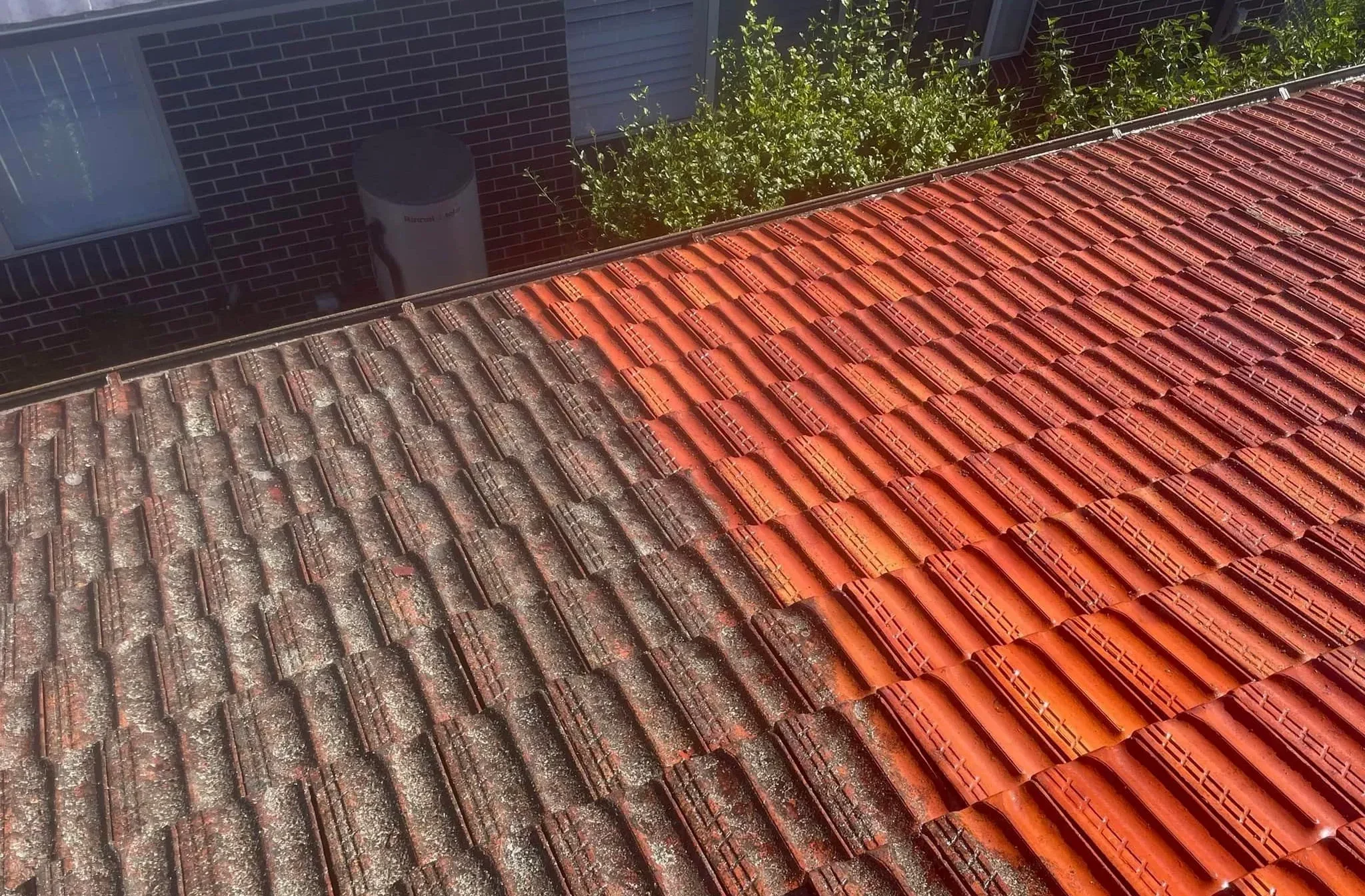
Sydney homeowners face a constant battle against roof grime. Humid coastal air, frequent rainfall, and shaded areas create the perfect breeding ground for algae, moss, and lichen. When those dark streaks and green patches appear, the question becomes: how do you clean your roof without causing damage?
Roof Covered in Moss and Streaks?
The wrong cleaning method can crack tiles and strip protective coatings. Our Sydney team assesses your roof and uses the safe approach that actually lasts.
The choice between high-pressure roof cleaning and soft wash isn’t just about results. It’s about protecting your investment and avoiding repairs that can cost thousands. After two decades of cleaning and repairing Sydney roofs, we’ve seen what works and what causes problems down the line.
What Is High-Pressure Roof Cleaning?
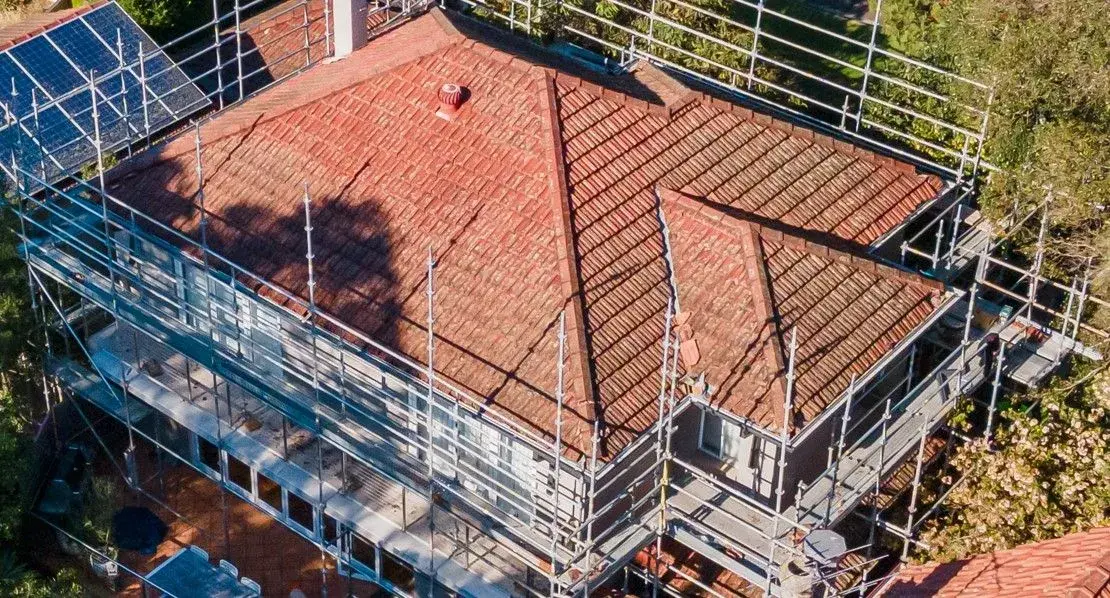
High-pressure roof cleaning uses powerful water jets (typically 3000-4000 PSI) to blast away dirt, moss, and organic buildup. The force physically removes contamination from the roof surface, delivering immediate visible results.
This method works quickly and requires minimal chemical use. Many contractors favour it for modern concrete tiles in good condition because it can strip years of accumulated grime in a single pass.
The very force that makes high-pressure cleaning effective also creates risk. We’ve been called out to repair roofs where operators got too close with the nozzle or used excessive pressure. Older terracotta tiles crack under that force. Mortar pointing between tiles gets dislodged. Most concerning is water being forced under tiles into your roof cavity, which leads to leaks and ceiling damage you won’t notice until the next heavy rain.
What Is Soft Wash Roof Cleaning?
Soft wash roof cleaning takes a gentler approach. It uses low-pressure water (under 500 PSI) combined with specialised cleaning solutions to break down organic growth. Rather than blasting away grime, soft washing treats the root cause by killing algae, moss, and lichen at the source.
The cleaning solution is applied with a pump sprayer or low-pressure hose, left to dwell for 15-30 minutes, then rinsed gently. This method is growing in popularity across Sydney, particularly for heritage homes and properties with delicate roof materials.
The key advantage is safety. There’s minimal risk of tile damage, dislodged pointing, or water intrusion because the pressure remains low throughout the entire process. The trade-off is time. Soft washing takes longer than high-pressure methods and may require a second treatment for stubborn stains or thick moss layers.
High-Pressure Roof Cleaning vs Soft Wash: The Safety Comparison
When comparing high-pressure roof cleaning vs soft wash, safety should be your primary concern. Here’s what we’ve learned from working on hundreds of Sydney roofs:
1. Tile Protection: Soft wash protects fragile terracotta and older concrete tiles from cracks and chips. High-pressure cleaning can cause immediate damage if not carefully controlled.
2. Mortar and Pointing: High-pressure jets can erode mortar joints and dislodge ridge pointing, leading to structural issues. Soft wash doesn’t apply enough force to affect these areas.
📖 People also read about:
3. Water Intrusion Risk: Forcing water under tiles is a real danger with high-pressure cleaning, especially when the nozzle is angled incorrectly. Soft wash eliminates this risk entirely.
4. Longevity of Results: Soft wash kills organic growth at the root, which means slower regrowth. High-pressure cleaning only removes surface contamination, so algae and moss often return within 12-18 months.
5. Chemical Runoff: Both methods require runoff management. Soft wash uses cleaning solutions that need proper handling, while high-pressure cleaning primarily uses water but can disturb more debris.
For roof repairs Sydney residents trust, preventing damage in the first place is far more cost-effective than fixing problems later.
Which Method Suits Your Sydney Roof?
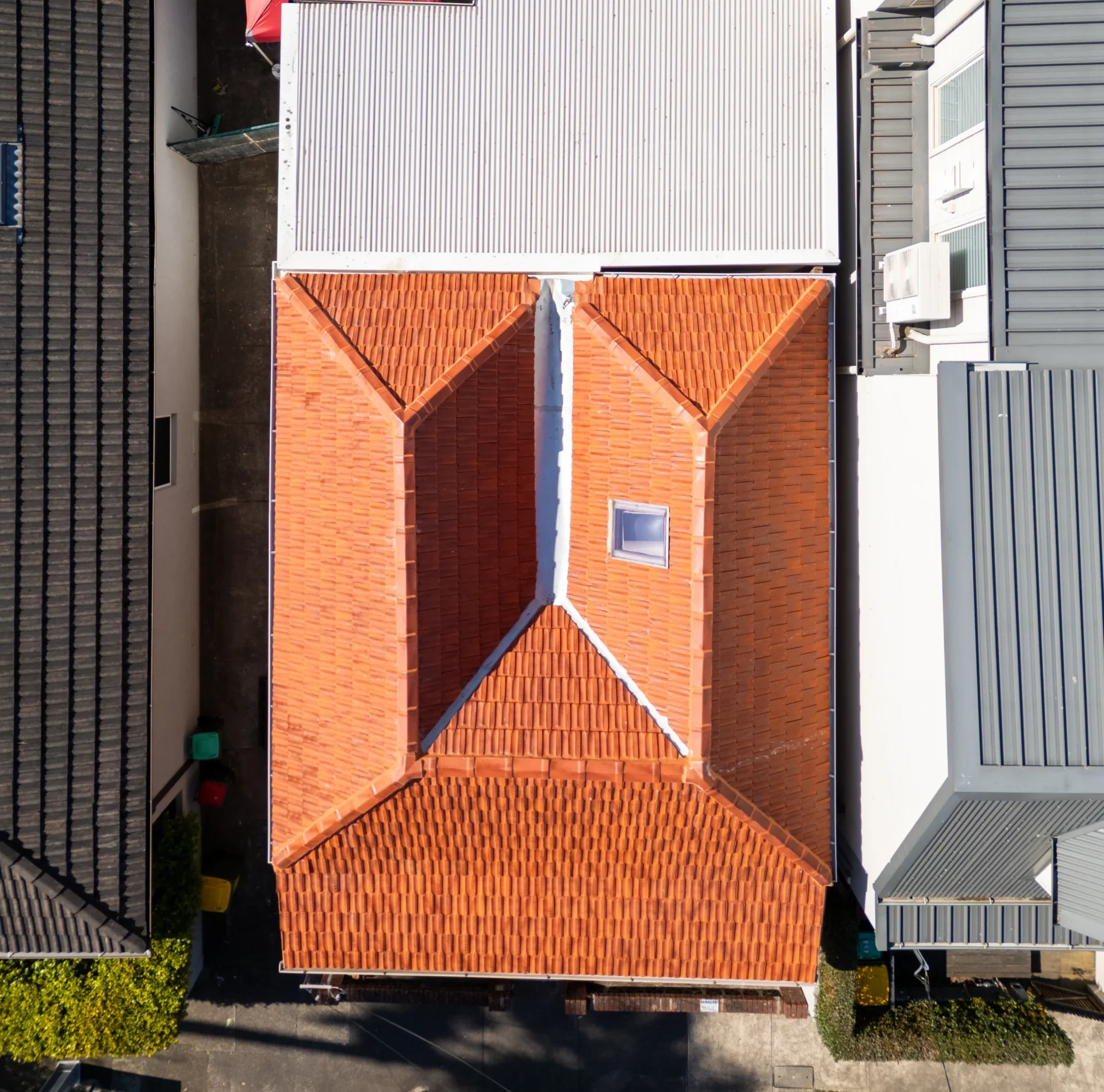
The best roof cleaning method depends on your specific situation. Consider these factors:
1. Roof Material: Modern concrete tiles in excellent condition may tolerate controlled high-pressure cleaning. Terracotta tiles, especially older installations, require the gentle touch of soft washing. Metal and Colorbond roofs need careful chemical selection with either method to avoid coating damage.
2. Roof Age and Condition: Older roofs with existing cracks, worn sealants, or previous repairs should only be soft washed. The risk of causing additional damage with high pressure is simply too high.
3. Type of Contamination: Light surface dirt may respond well to either method. Heavy moss infestations, lichen, and algae are better treated with soft wash because it kills the organisms rather than just removing visible growth.
4. Previous Repairs: If your roof has been patched or repaired, soft washing is the safer choice. High pressure can compromise older repair work and create new entry points for water.
📖 People also read about:
Why Sydney’s Climate Creates Unique Challenges
Sydney’s humid coastal environment speeds up organic growth on roofs. South-facing roof sections that receive less direct sunlight stay damp longer, creating ideal conditions for moss and algae. Properties near trees face even faster contamination as shade and falling debris compound the problem.
In our experience servicing roofs across Sydney’s diverse suburbs, homes in bushland settings or near the harbour face the most aggressive regrowth. This means your cleaning method needs to address more than surface appearance. Soft wash treatments that kill spores and organic matter give longer-lasting protection in our challenging climate. High-pressure cleaning might look impressive on the day, but if the growth returns quickly, you haven’t solved the underlying problem.
Professional Assessment Makes the Difference
Neither high-pressure cleaning nor soft wash should be considered a DIY project. Both methods require proper equipment, technique, and knowledge of roof systems. Before we clean any roof, we conduct a thorough inspection to identify weak points, existing damage, and the best approach for that specific roof.
Licensed roofing contractors carry public liability insurance and know NSW building regulations. We look for loose tiles, worn flashings, and areas where water might penetrate. This assessment prevents damage and ensures the right method is chosen for your particular situation.
Roof maintenance Sydney homeowners count on extends roof lifespan and prevents expensive emergency repairs. Regular professional cleaning is part of that maintenance strategy.
The Verdict: Which Is Safer?
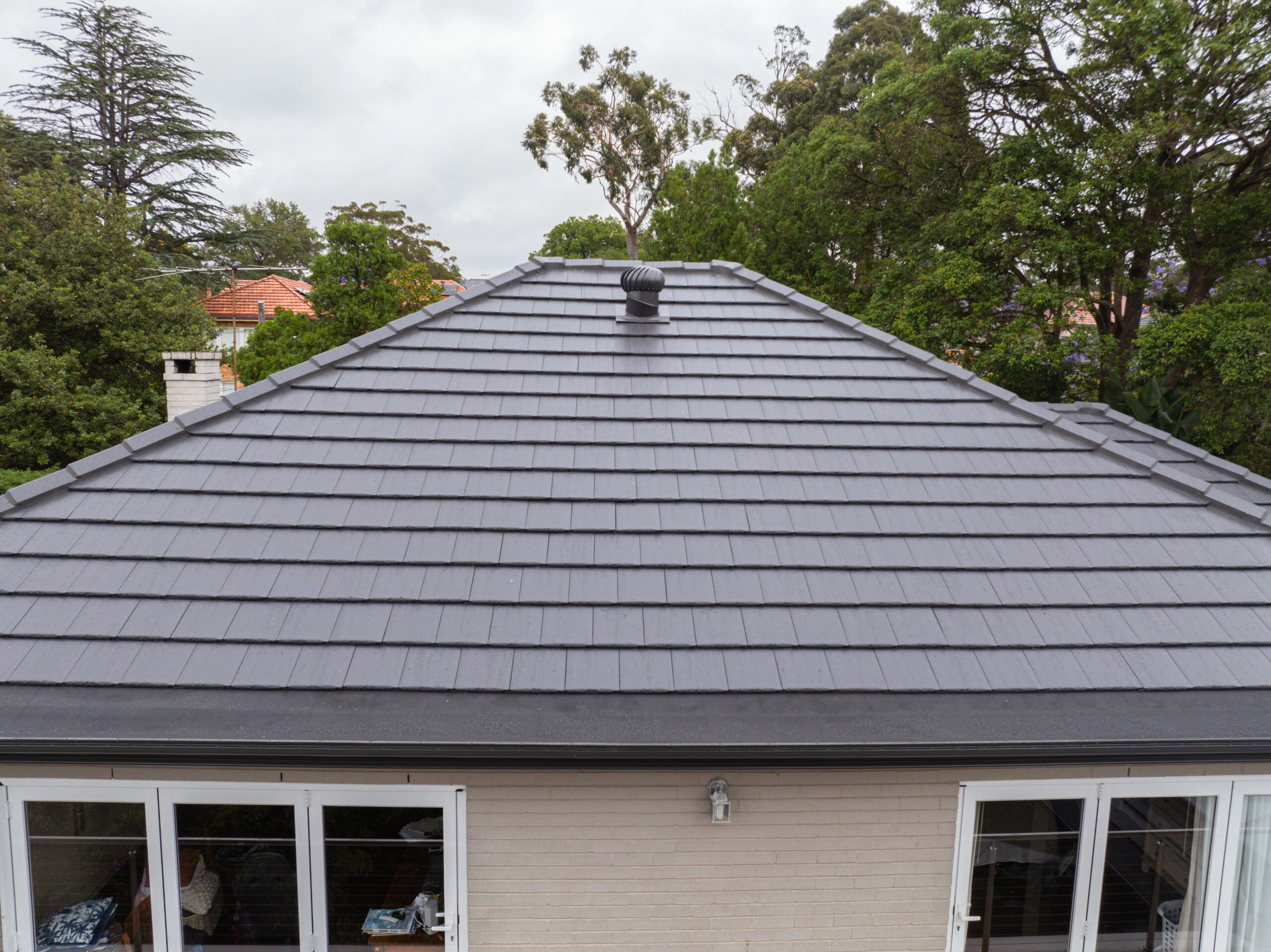
For most Sydney homes, soft wash roof cleaning is the safer choice. It protects delicate tiles, preserves mortar and pointing, eliminates water intrusion risk, and gives longer-lasting results by treating organic growth at its source.
💡 Need help?
We offer professional roof repair casula to help you achieve your goals.
High-pressure roof cleaning has its place for specific situations, particularly modern concrete tiles in excellent condition with light surface contamination. But it requires strict pressure control, proper technique, and careful assessment of roof condition beforehand.
The bottom line: protecting your roof should take priority over speed or cost savings. Roof damage from improper cleaning can lead to leaks, structural issues, and expensive repairs that far exceed the cost of doing it right the first time.
Book Your Professional Roof Assessment
Don’t risk your roof with the wrong cleaning method. As winners of the 2024 and 2025 Australian Small Business Roofing Champion Awards, Tomkat Roofing brings over 20 years of Sydney expertise to every project. Our licensed team conducts thorough inspections, provides transparent quotes, and recommends safe cleaning methods tailored to your roof type.
We know Sydney’s coastal climate and how it affects different roofing materials. Whether your roof needs gentle soft washing or carefully controlled cleaning, we’ll recommend the approach that protects your investment.
Ready to restore your roof safely? Contact Tomkat Roofing today for your free, no-obligation roof inspection and quote. Keep your home protected with the quality workmanship Sydney homeowners trust.
Frequently Asked Questions
Is high-pressure cleaning safe for my roof?
On hard surfaces it can work, but on tiles and coated roofs the force often cracks, chips or strips the surface and drives water under the tiles. For most Sydney roofs a gentler method is safer.
What is soft washing?
Soft washing uses low pressure with a cleaning solution that kills moss, algae and lichen at the root, then rinses gently. It clears growth without hammering the roof surface.
Which method lasts longer?
Soft washing usually lasts longer because it treats the organic growth rather than just blasting the top layer off. High pressure can leave spores behind that regrow quickly.
Will cleaning damage my roof coating?
High pressure can, especially on older or painted tiles. A soft wash is designed to protect the coating while removing the grime, which is why it suits most Sydney homes.
How do I know which method my roof needs?
It depends on the roof material, its age and how much growth is present. A quick professional assessment tells you the safe option before any cleaning starts.
Clean It Safely, Not Aggressively
Soft wash or careful cleaning protects your roof while it clears the grime. Our team gets it looking sharp without the damage high pressure can cause.