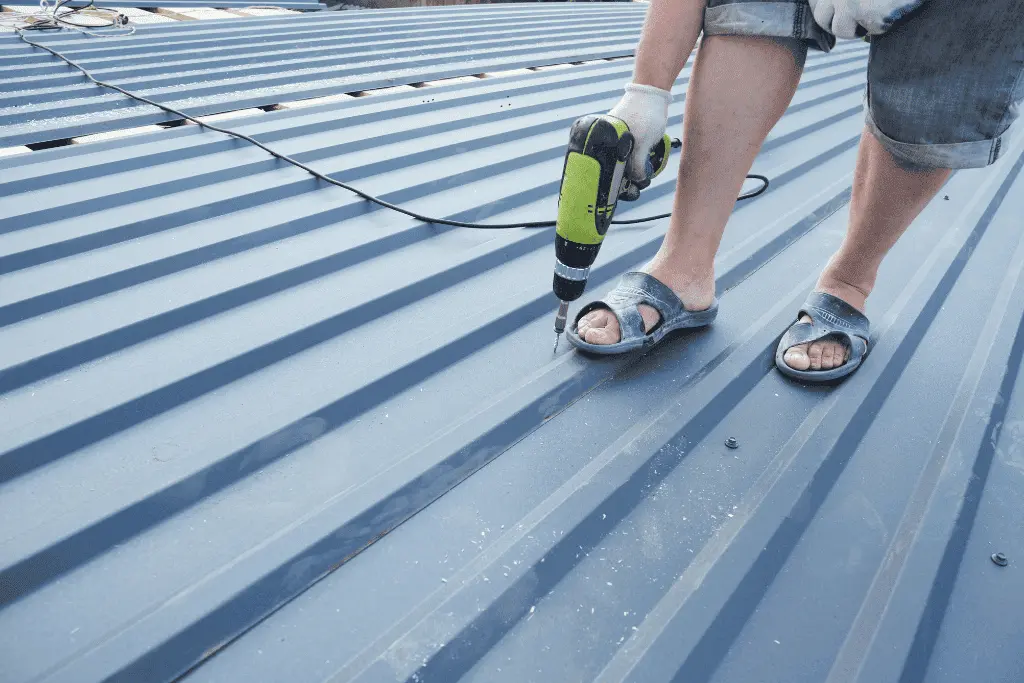
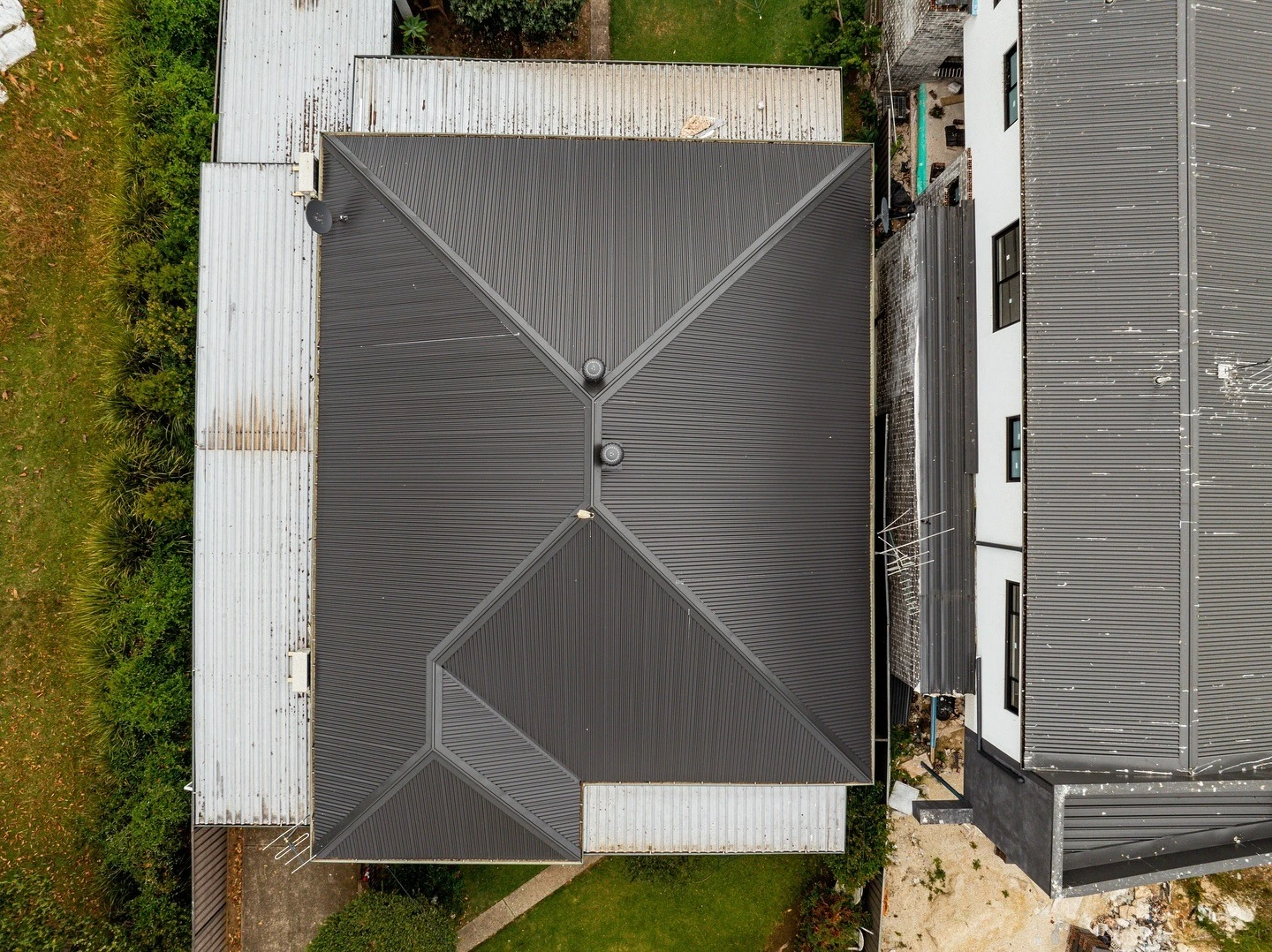
Choosing the best metal roofing material for your home often comes down to durability, budget, appearance, and how well the roof handles the Australian climate. For most homeowners, the top choices include steel, aluminium and zinc. Among these, high-quality steel roofing, especially products made for Australian conditions, is usually considered the most practical and cost-effective option due to its strength, long lifespan, and resistance to harsh weather.
Metal roofing has become a preferred choice for many Australian households thanks to its long-term value, clean finish, and ability to withstand strong heat, coastal air, and seasonal storms. While all metal options offer advantages, each performs differently, so understanding these differences will help you choose the option that suits your home, budget, and long-term expectations.
1. Steel Roofing: The Most Popular Choice in Australia
Steel is the most widely used metal roofing material today, particularly in Australian suburbs and rural areas where both high temperatures and severe weather are common. Its combination of affordability, strength, and easy installation makes it a reliable option for most modern homes.
Key Benefits
✔︎ Excellent resistance to fire, corrosion, and moisture when coated correctly
✔︎ Available in a variety of colours and finishes
✔︎ Suitable for both residential and commercial roofs
✔︎ Designed to suit Australian weather conditions
✔︎ Often, the best balance of cost and long-term durability
Steel roofing is usually produced in forms like Colorbond or Zincalume. Colorbond steel is pre-painted, which means the colour lasts for years with minimal upkeep. Zincalume has a protective zinc and aluminium coating that improves corrosion resistance, especially in coastal or humid regions.
If you are considering steel roofing, the team at Tomkat Roofing can guide you through the options and help match the material to your home’s surroundings.
2. Aluminium Roofing: Lightweight and Rust Resistant
Aluminium is a great choice for homes near the coast. Its natural resistance to corrosion means it performs well in salty environments without the level of maintenance that other metals might require.
Advantages
✔︎ Very lightweight, ideal for older homes with weaker structures
✔︎ Highly resistant to corrosion and salt air
✔︎ Reflects heat effectively, helping to improve cooling efficiency
✔︎ Long-lasting with minimal upkeep
The main drawback is cost. Aluminium is generally more expensive than steel, and although it offers excellent protection, some homeowners prefer the additional strength and impact resistance of steel.
📖 People also read about:
Aluminium suits coastal homes, beachside structures, and properties looking for a material that maintains its appearance without much maintenance.
3. Zinc Roofing: Natural Patina and Impressive Longevity
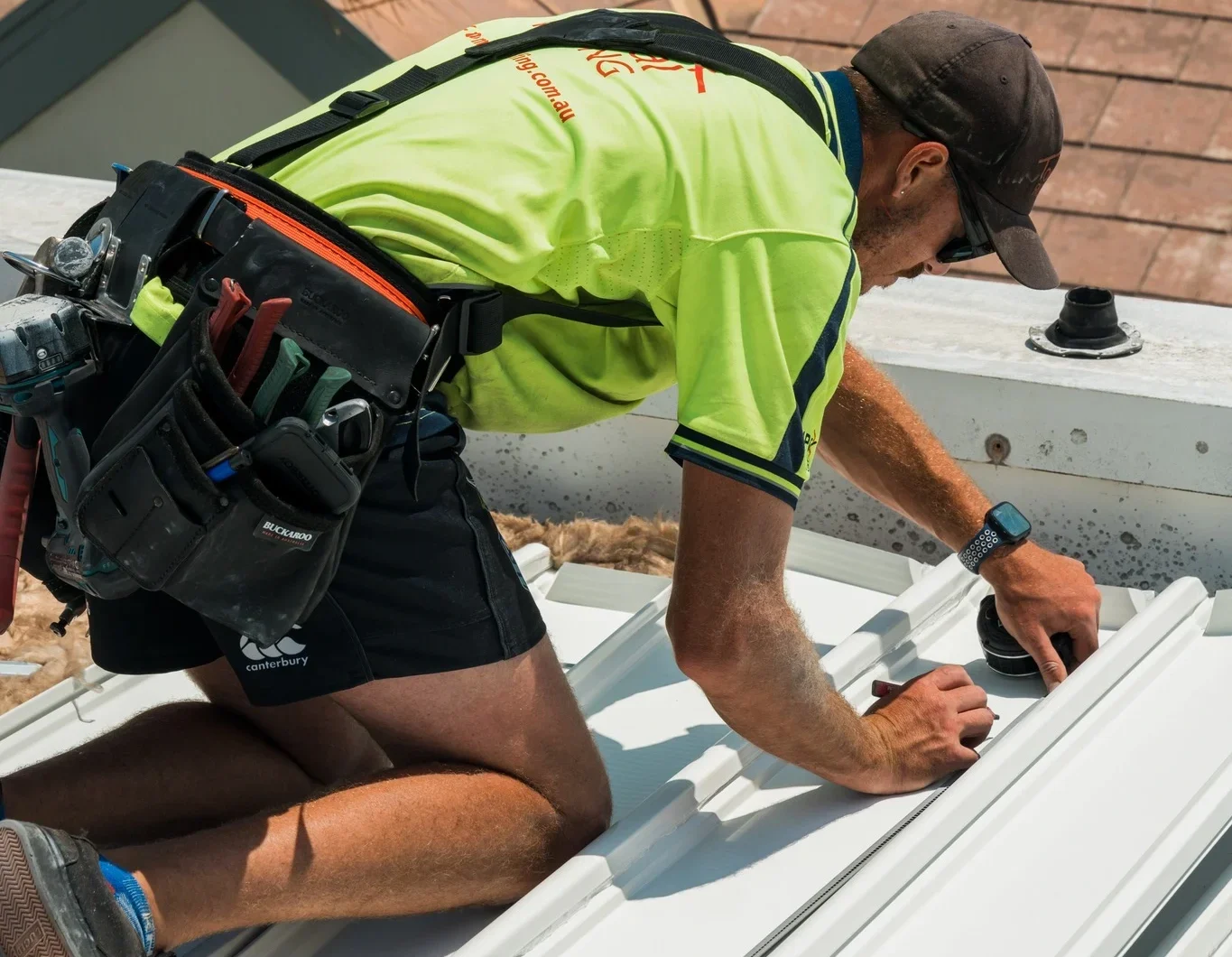
Zinc roofing is valued for its long lifespan. Over time, zinc forms a natural protective patina that heals itself from scratches and natural wear. This makes it a great low-maintenance option for homeowners seeking something long-lasting.
Advantages
✔︎ Can last 60 to 100 years with correct installation
✔︎ The patina layer protects against corrosion
✔︎ Low maintenance and eco-friendly
✔︎ Offers a unique soft matte finish
Zinc is costlier than steel and aluminium, which can make it less accessible for homeowners working within a tighter budget. However, the long lifespan often offsets the initial investment.
📖 People also read about:
Zinc is ideal for premium residential builds, architect-designed homes, and homeowners seeking a strong yet stylish option.
4. Which Metal Roofing Material Is Right for You?
The best choice depends on your location, budget, and aesthetic preference. Here is a quick summary to help you compare:
Material | Lifespan | Best For | Cost Range | Pros | Cons |
Steel | 25 to 50 years | Most Australian homes | Affordable | Strong, weather-resistant, many colours | May corrode without proper coating |
Aluminium | 40 to 60 years | Coastal homes | Moderate to high | Rust-proof, lightweight | Higher cost, softer metal |
Zinc | 60 to 100 years | Premium homes | High | Self-healing patina, eco-friendly | Expensive |
Most homeowners in Australia choose steel roofing, particularly Colorbond, because it gives an excellent balance of durability, appearance, and cost. It performs well against summer heat, winter storms, and coastal winds.
💡 Need help?
We offer professional metal roof repair sydney to help you achieve your goals.
Not sure which option suits your home best? Speak with the friendly experts at Tomkat Roofing for personalised guidance and professional advice.
5. Why Metal Roofing Is a Smart Choice for Australian Homes
Regardless of the type you choose, metal roofing provides many advantages over traditional roofing materials.
Main Benefits
✔︎ Long lifespan compared to tiles
✔︎ Resistant to mould, cracking, and pests
✔︎ Energy efficient thanks to reflective surfaces
✔︎ Quick installation
✔︎ Low maintenance
✔︎ Suitable for solar panel mounting.
Given Australia’s hot climate and occasional extreme weather patterns, metal roofing offers peace of mind and long-term performance.
The Way Forward
If you are ready to upgrade your roof, Tomkat Roofing offers installation, repairs, and full replacements using premium materials designed for Australian homes. Contact Tomkat Roofing today to get started.
Frequently Asked Questions
What is the cheapest metal roofing material?
Steel is usually the most affordable while still offering great durability and a wide range of colours.
What is the longest-lasting metal roofing material?
Zinc can last for many decades, often over a hundred years, with correct care.
Which metal roof is best for coastal areas?
Aluminium is generally the best option due to its natural resistance to salt air corrosion.
Is metal roofing noisy during rain?
Modern metal roofs are installed with insulation and sarking that reduce noise significantly.
Can I install solar panels on a metal roof?
Yes. Metal roofs are one of the best surfaces for solar panel installation.