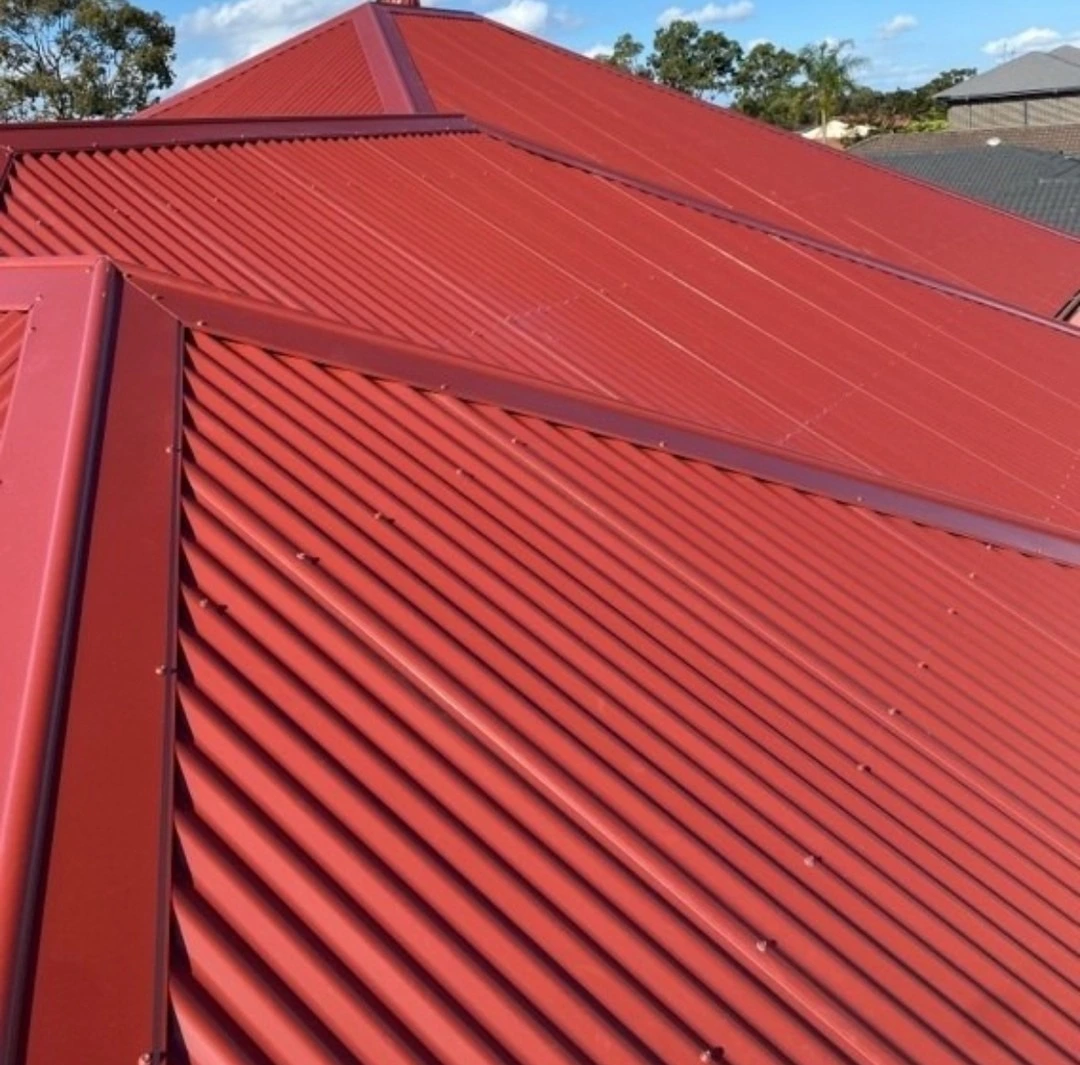
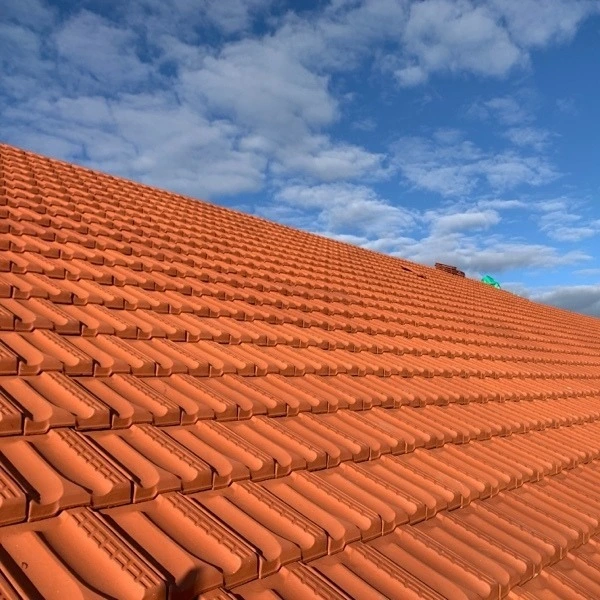
Your roof valley is working overtime. Every time it rains in Sydney, this V-shaped channel where two roof slopes meet handles an enormous volume of water. It’s one of the hardest-working parts of your entire roofing system, yet it’s also one of the most vulnerable to failure.
When you notice water stains on your ceiling or spot rust in your valley, the big question emerges: should you repair the existing valley or replace it entirely? Make the wrong call, and you’ll either waste money on repeated patch jobs or overspend on unnecessary replacement.
This guide cuts through the confusion. You’ll learn exactly when roof valley repair makes sense, when replacement is the only smart option, and how to avoid throwing good money after bad.
Why Roof Valleys Fail in the First Place
Before you can decide between repair and replacement, you need to know why valleys fail. Unlike the rest of your roof, valleys concentrate water from two slopes into a single channel. This constant exposure to moisture, combined with debris accumulation and UV degradation, creates the perfect storm for problems.
The most common culprits include:
1. Rust and corrosion.
Older galvanised valleys typically start showing rust after 20-25 years. Once rust penetrates the metal, holes develop and water finds its way through.
2. Poor initial installation.
Valleys installed with insufficient width, improper pitch, or unsealed joints were doomed from day one. These shortcuts catch up with you eventually.
3. Debris buildup.
Leaves, bark, and twigs create dams that hold water against the metal, accelerating corrosion and creating leak pathways.
4. Storm damage.
Sydney’s severe weather can dislodge flashing, puncture metal, or damage the valley structure in ways that simple patching can’t fix.
When Roof Valley Repair Actually Works
Repair makes sense when the underlying structure remains sound and the damage is localised. Here’s when patching is the right move:
✓ Minor surface rust.
If you’ve caught rust early, before it’s eaten through the metal, a thorough clean, rust treatment, and quality sealant can add 3-5 years of life. This buys you time to budget for eventual replacement.
✓ Small punctures or cracks.
A single hole from a fallen branch or a minor crack along a joint can be effectively patched. The key word is “single.” Multiple issues signal systemic failure.
✓ Recent installation with isolated problems.
If your valley is less than 10 years old and experiences one specific issue, roof repair is almost always appropriate. The rest of the system still has decades of life left.
✓ Budget constraints with short-term plans.
If you’re planning to sell within two years or can’t afford replacement right now, a professional repair can work as a temporary solution. Just know you’re delaying the inevitable, not solving it permanently.
Valley repairs typically cost between $180-$280 per linear metre, depending on complexity and access. For a standard 4-metre valley, you’re looking at $720-$1,120. That’s substantial savings compared to replacement, but only if the repair actually lasts.

The Hard Truth About When Replacement Is Non-Negotiable
Some situations demand complete roof valley replacement, no matter how tempting a cheaper repair looks. Trying to patch these problems is like putting a bandaid on a broken bone.
1. Extensive rust with holes.
Once rust has eaten through the metal in multiple spots, the entire valley has reached the end of its useful life. You can patch today’s holes, but tomorrow’s are already forming underneath.
2. Repeated leak repairs.
If you’ve fixed the same valley twice in three years, it’s telling you something. Each repair is just delaying a problem that replacement would solve permanently.
3. Buckled or sagging valley sections.
This shows structural failure beneath the visible flashin 📖 People also read about:
4. Widespread corrosion across the entire valley.
When rust appears along the full length rather than in isolated spots, the metal has reached systemic failure. Repair would mean patching the whole thing, which costs nearly as much as replacement while delivering inferior results.
5. Water damage to roof framing.
If water has already damaged the timber or caused mould in the roof cavity, you need access that only full replacement allows. This lets your roofer inspect, treat, and repair structural elements.
6. Age over 25-30 years.
Even if your valley looks okay, metal valleys beyond their design life are on borrowed time. In Sydney’s harsh UV environment, material fatigue makes failure imminent.
Complete roof valley replacement runs $220-$350 per linear metre. For that same 4-metre valley, you’re looking at $880-$1,400. Yes, it’s more expensive, but you’re getting:
✓ New flashing with a full lifespan ahead
✓ Inspection and repair of underlayment and structure
✓ Proper waterproofing to current standards
✓ Peace of mind backed by warranty
Real Sydney Example
In 2024, we inspected a 22-year-old Colorbond valley in the Hills District that had been patched twice in three years. While the visible rust appeared minor from the ground, lifting the surrounding tiles revealed widespread corrosion and deteriorated sarking underneath. The homeowner initially requested another repair to save money, but full replacement prevented ongoing internal ceiling damage that would have cost significantly more to fix.
This is a common scenario in Sydney homes where UV exposure and seasonal storms accelerate valley deterioration beyond what surface repairs can solve.

The Decision Framework: Repair or Replace?
When you’re staring at a quote and trying to decide, work through these questions:
1. How old is the valley?
Under 15 years strongly favours repair. 15-25 years could go either way. Over 25 years leans toward replacement.
2. Is the damage localised or widespread?
One problem area suggests repair. Multiple issues across the valley demand replacement.
3. Have you repaired this valley before?
First-time issues can often be repaired. Repea 📖 People also read about:
4. What’s the cost ratio?
If repair costs more than 50% of replacement, replacement makes better financial sense. You get a new valley for not much more money.
5. How long will you own the home?
Staying 10+ more years makes replacement the better long-term investment. Selling soon might justify repair if it passes roof inspection.
6. What does the inspection reveal?
A licensed roofer can see things you can’t. Trust their assessment of whether the underlying structure is sound.
What Professional Valley Replacement Actually Involves
Knowing what the roof replacement process looks like helps you see why it costs more but delivers better value:
Your roofer carefully removes tiles or roofing material along both sides of the valley. They strip out the old, failed flashing and inspect everything underneath. The timber gets checked for rot. The underlayment (sarking) gets assessed for damage. Any compromised materials get replaced.
Then new, high-quality valley flashing gets installed with proper width (typically 450-600mm) and correct fall for optimal water flow. All joints are sealed to Australian standards. Finally, your roofing materials are reinstalled with appropriate clearances and weatherproofing.
This thorough approach addresses not just the visible problem but everything that contributed to the failure. That’s why replacement lasts 25-30+ years while repairs typically give you 3-7 years at best.
The Sydney Climate Factor
Sydney’s weather patterns make the repair vs replacement decision even more pressing. Our strong UV exposure degrades metal faster than in cool 💡 Need help? We offer professional roof installation to help you achieve your goals.
What might last 30 years in Adelaide might only give you 20-25 years in Sydney. This compressed timeline means that repairs on aging valleys are particularly risky. You’re trying to extend something that’s already past its design life in our harsh environment.
When you factor in Sydney’s weather, the threshold for choosing replacement drops. A 20-year-old valley showing significant rust is a replacement candidate here, even though the same valley inland might handle another repair cycle.
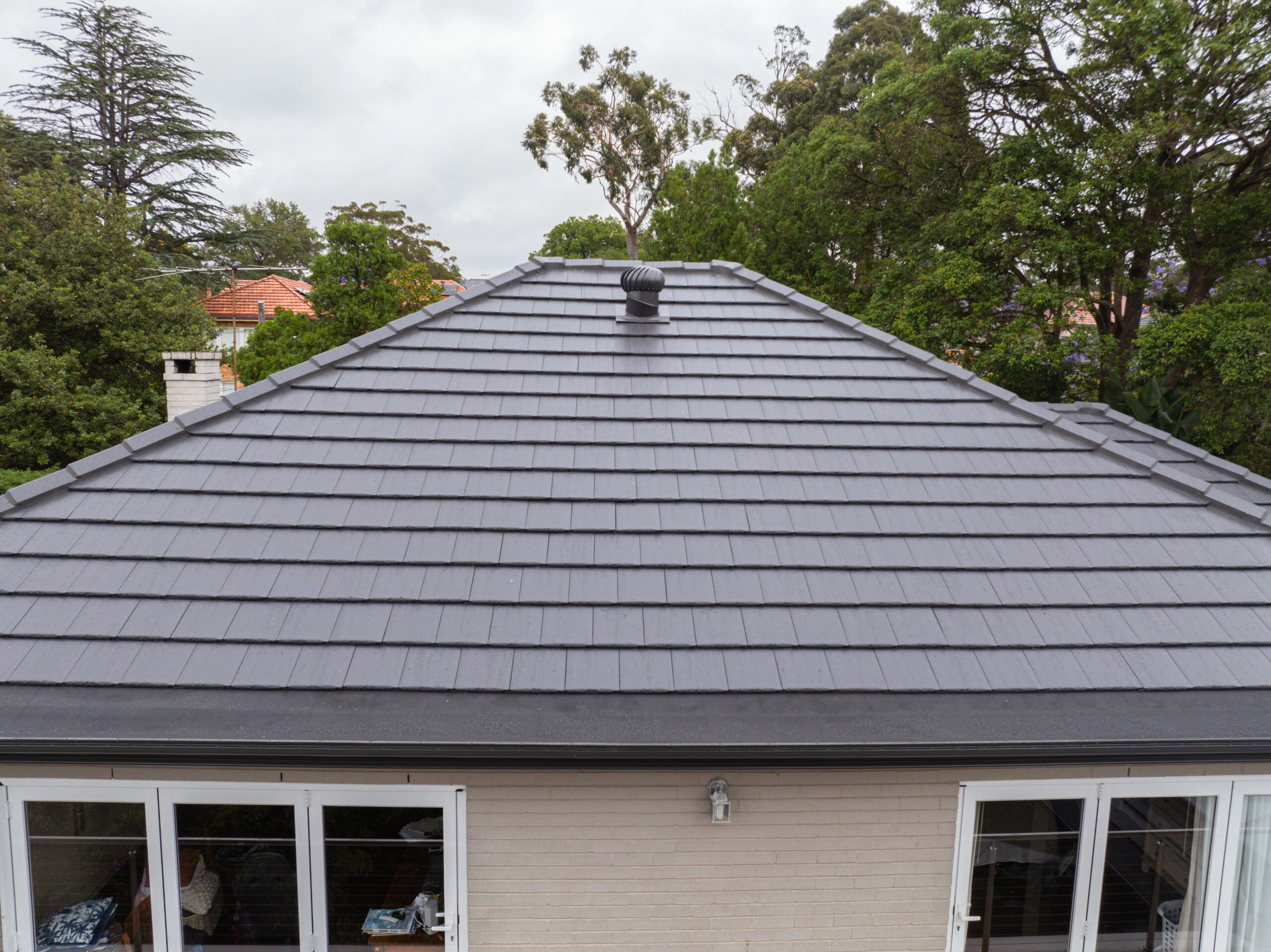
Why Professional Assessment Matters
Here’s the uncomfortable truth: you can’t make this decision from the ground. Viewing your valley from inside your home or standing in the yard doesn’t show you what’s actually happening.
Is that rust superficial or has it penetrated? Is the flashing still properly secured? Has water already damaged the underlayment? Are there multiple small issues you haven’t spotted yet? Is the valley structure itself still sound?
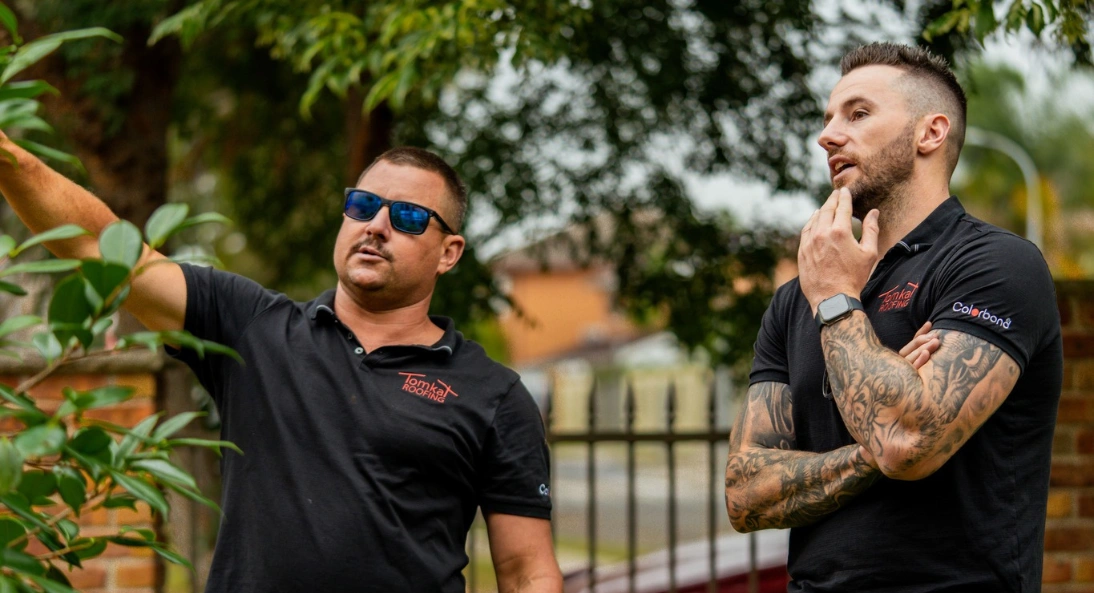
A licensed roofing professional should conduct a physical roof inspection that includes lifting surrounding tiles or sheets, checking valley flashing thickness, assessing sarking condition, measuring fall compliance, and documenting corrosion levels with photos. A written condition report should outline whether repair or replacement is technically appropriate. At Tomkat Roofing, our team climbs up, gets close, and gives you an honest assessment. We’ll show you exactly what’s wrong, explain whether repair or replacement makes sense for your situation, and give you transparent fixed-price quotes for both options when applicable.
We don’t push replacement when repair will genuinely work. We also don’t recommend patch jobs on valleys that need replacing. Our reputation depends on honest advice that serves your best interests.
The Cost of Getting It Wrong
Choose repair when you needed replacement, and you’ll likely face:
✓ The same leak within 1-3 years
✓ Additional water damage to ceilings, walls, and insulation
✓ Mould problems requiring expensive remediation
✓ Structural damage to roof framing
✓ Eventually paying for replacement anyway, plus the cost of all the damage
Choose replacement when repair would have sufficed, and you’ve spent an extra $500-$1,000 unnecessarily. Not ideal, but far less painful than the alternative.
When in doubt, replacement is the lower-risk choice. It solves the problem permanently instead of kicking it down the road.
How to Extend the Life of Your Roof Valley
Whether you choose repair or replacement, ongoing maintenance significantly reduces future costs.
✓ Clear leaf debris at least twice per year
✓ Trim overhanging trees to reduce bark buildup
✓ Schedule a professional roof inspection every 2–3 years
✓ Ensure downpipes are not blocked, preventing water backup
✓ Address small rust spots immediately before they spread
Preventative maintenance can extend a new valley’s lifespan beyond 30 years in Sydney conditions.
Take Action Before the Next Storm
Roof valley problems don’t improve with time. That small rust spot becomes a hole. That minor leak becomes ceiling damage. That questionable valley fails completely during the next heavy rainfall.
The best time to address valley issues is before they become emergencies. During dry weather, you can schedule work at your convenience, get multiple quotes, and think things through properly. Wait for a crisis, and you’re forced into quick, often expensive solutions.
If you’ve noticed any warning signs (water stains, visible rust, previous repairs, aging roof), or if you simply haven’t had your roof inspected recently, now’s the time to act.
Get Expert Advice You Can Trust
Contact Tomkat Roofing today for a free, no-obligation roof inspection and quote. Our licensed team will assess your valley condition, explain your options clearly, and give you honest recommendations based on what’s actually best for your home and budget.
We serve Sydney and surrounding areas with quality workmanship designed for local conditions. Most valley repairs and replacements are completed within 1-2 days with minimal disruption. All our work comes backed by comprehensive warranties and meets Australian building standards.
Don’t let an uncertain valley decision keep you awake during storm season. Get the expert assessment you need to move forward with confidence.