If you’ve noticed cracked mortar along your roof’s ridge line or water stains on your ceiling after heavy rain, you’ve probably been told you need either rebedding or repointing. But here’s the thing: most Sydney homeowners don’t actually know the difference between the two, and that confusion can cost you money or leave your roof vulnerable to leaks.
Both services involve your roof’s ridge caps (the tiles that run along the very top of your roof), but they serve completely different purposes. Getting the wrong one done won’t fix your problem, and skipping the right one can lead to serious water damage down the track.
What We See on Sydney Roofs Every Week
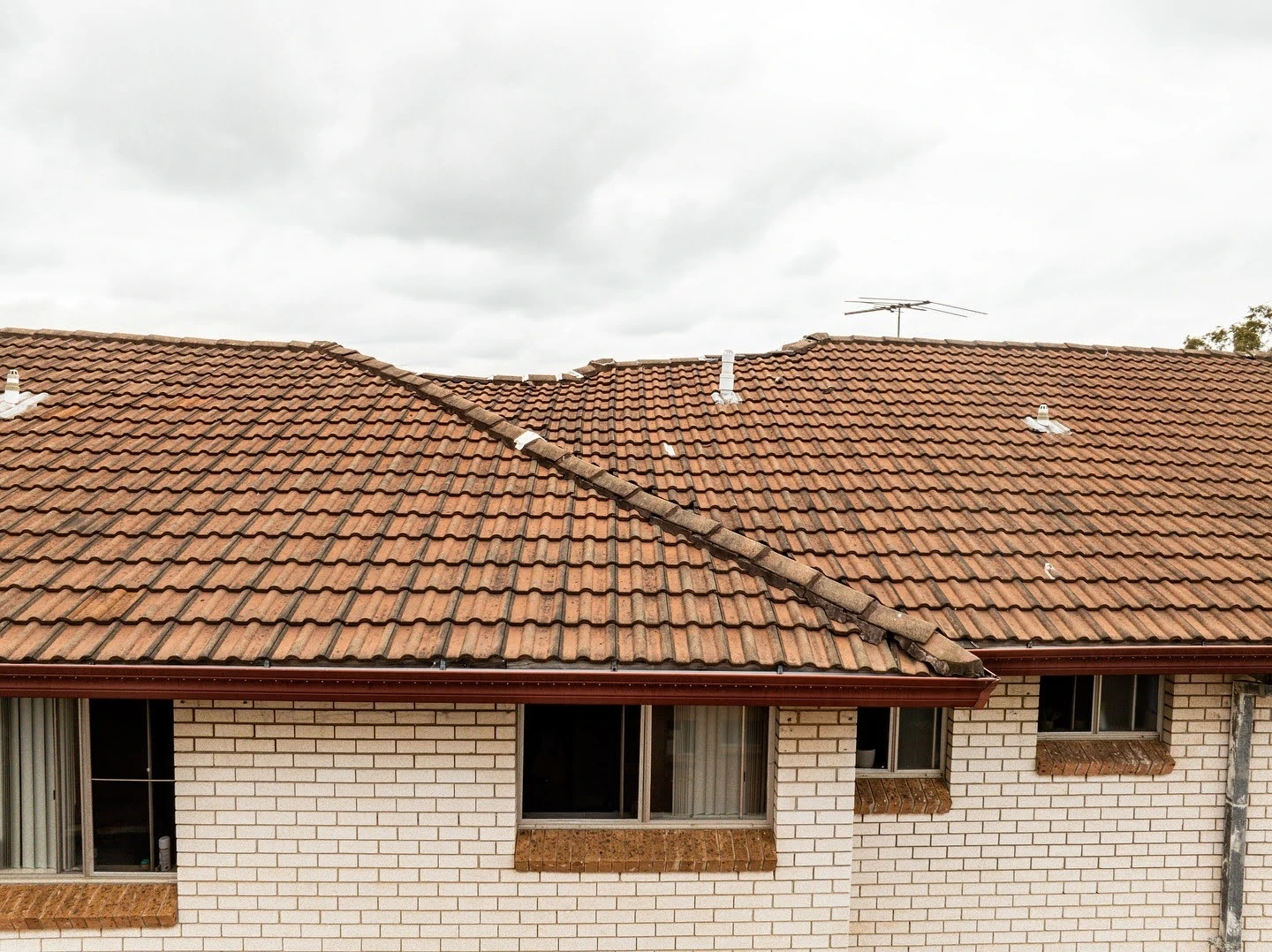
At Tomkat Roofing, we inspect tiled roofs across Sydney every week, and around 7 out of 10 ridge cap issues we assess involve failed bedding that has been incorrectly repointed instead of properly rebedded. In many cases, homeowners were told repointing would fix the problem, only to call us back months later when leaks returned. The most common signs we see are loose ridge caps after storms, cracked mortar from heat expansion, and pointing that has separated from terracotta tiles due to age.
This guide breaks down exactly what rebedding and repointing are, when you need each one, and how to spot the warning signs before a small issue becomes an expensive repair.
What Is Roof Rebedding?
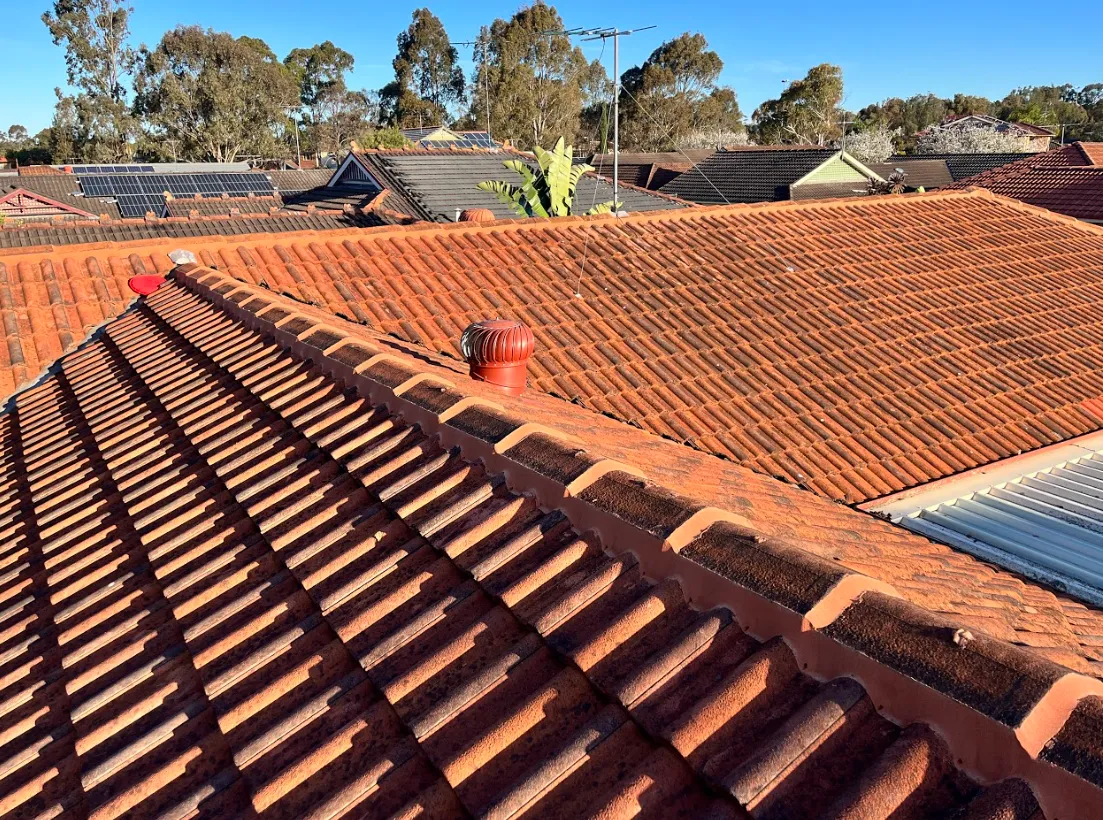
Rebedding is the process of removing all the old, deteriorated mortar from underneath your ridge caps and replacing it with fresh bedding. The ridge caps are then reset firmly into place so they sit securely on your roof.
The bedding is the thick cement mortar that sits under the ridge caps and supports them structurally. Without solid bedding, your ridge caps can shift, loosen, or even blow off during a storm.
When rebedding is done:
✓ All old mortar is chipped away and cleared
✓ A new layer of mortar is laid along the ridge line
✓ Ridge caps are repositioned and pressed firmly into the fresh bedding
✓ Caps are aligned properly to ensure a straight, secure finish
Think of rebedding as the foundation. It’s what holds your ridge caps in place and stops them from moving.
What Is Roof Repointing?
Repointing, on the other hand, is the process of applying a flexible pointing compound over the top of the existing bedding to seal gaps and prevent water from getting in.
Modern repointing uses a flexible compound rather than old-style cement, which means it can expand and contract as your roof moves with temperature changes. This keeps the seal intact and prevents cracking.
When repointing is done:
✓ Loose or cracked pointing is scraped away
✓ A flexible compound is applied along both sides of the ridge caps
✓ The compound is smoothed into place to create a neat, weatherproof finish
Repointing is the protective layer. It seals the joints between your ridge caps and the roof tiles below, stopping water from seeping through.
Rebedding vs Repointing: What’s the Actual Difference?
Here’s the simplest way to understand it:
Rebedding | Repointing |
Replaces the structural mortar underneath ridge caps | Seals the surface gaps between ridge caps and tiles |
Provides structural support | Provides weatherproofing |
Required when mortar has crumbled or ridge caps are loose | Required when pointing is cracked but bedding is still solid |
More time-consuming and costly | Faster and more affordable |
“Foundation” layer | “Finishing” layer |
In simple terms: rebedding keeps your ridge caps firmly attached to the roof, while repointing keeps water out.
Many roofs need both. If the bedding underneath has failed, repointing alone won’t solve the problem because you’re just sealing over a weak foundation. On the other hand, if you rebed without repointing, your ridge caps won’t have that final weatherproof seal.
How to Tell if You Need Rebedding
If your ridge caps are actually moving or the mortar underneath has broken down, repointing won’t be enough. Here are the signs that rebedding is required:
✓ Ridge caps are loose or wobbly when touched
This is the clearest sign that the bedding has failed. Loose caps can blow off during Sydney’s spring storms or heavy winds.
✓ Large cracks or gaps in the mortar under the ridge caps
When you can see right through to the roof tiles below, the bedding is no longer doing its job.
✓ Mortar is crumbling away or missing entirely
Old bedding breaks down over time, especially if it’s been 20+ years since your roof was last serviced.
📖 People also read about:
✓ Ridge caps are misaligned or sitting unevenly
If the ridge line looks uneven or some caps sit higher than others, the bedding underneath has shifted or deteriorated.
✓ Water leaks near the roof’s peak
Leaks along the ridge line often mean water is getting through gaps where the bedding has failed.
✓ Your roof is over 20 years old and hasn’t been rebedded
Even if everything looks okay from the ground, the bedding may have reached the end of its lifespan.
How to Tell if You Only Need Repointing
Repointing is usually sufficient when the bedding is still solid but the surface seal has cracked or worn away. Here’s when repointing alone will do the job:
✓ Ridge caps are firmly in place and don’t move
If the caps feel secure and the bedding underneath looks intact, repointing can restore the weatherproof seal.
✓ Small cracks in the pointing but no major gaps
Hairline cracks or surface wear can be fixed with flexible pointing compound.
✓ Discolouration or shrinkage around the ridge caps
This often happens as the old pointing ages and contracts, but the bedding underneath is still sound.
✓ Minor leaks that only appear during heavy rain
If water is only getting through small gaps in the pointing, repointing can stop it.
✓ Your roof was rebedded in the last 10-15 years
If the bedding is relatively new but the pointing has worn down, a repoint is likely all you need.
When Rebedding or Repointing Won’t Fix the Problem
In some cases, ridge cap work alone will not solve the issue. You may need a broader roof repair if:
✓ The leak is coming from a cracked tile further down the roof
✓ Flashing around chimneys or valleys has deteriorated
✓ The roof sarking underneath is damaged
✓ There is structural movement in the roof frame
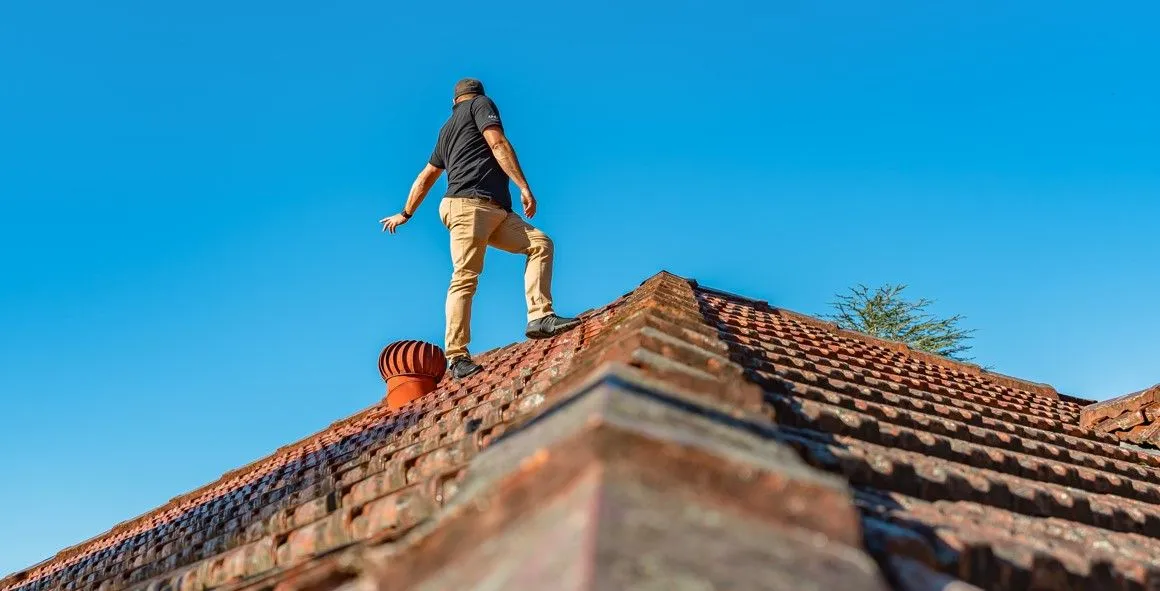
A proper roof inspection should always confirm the true source of the leak before any ridge cap work begins. Treating the wrong area wastes money and leaves the real issue unresolved.
📖 People also read about:
What’s Involved in the Rebedding and Repointing Process?
All ridge cap repairs should be completed by a licensed roofing professional in accordance with Australian Standards and NSW building requirements. In Sydney, tiled roof repairs must comply with AS 2050 (Installation of Roof Tiles) and relevant wind classification standards to ensure ridge caps are secured correctly for local storm conditions.
Professional ridge capping repairs follow a clear process to ensure your roof is properly sealed and secure:
✓ Roof Inspection
A licensed roofer will assess whether you need rebedding, repointing, or both. They’ll check for loose caps, cracked mortar, and any broken tiles.
✓ Removing Old Mortar
If rebedding is required, all old mortar is carefully chipped away to create a clean surface.
✓ Applying Fresh Bedding
New mortar is laid along the ridge line, and each ridge cap is reset firmly into place.
✓ Flexible Pointing Application
Once the bedding is set, a flexible pointing compound is applied to seal the joints and lock everything in place.
💡 Need help?
We offer professional roof installation to help you achieve your goals.
✓ Final Inspection and Cleanup
The roofer checks that all caps are aligned and secure, then cleans up any leftover mortar.
Most standard Sydney homes can have their ridge caps rebedded and repointed within 1 to 3 days, depending on the size of the roof.
How Often Should You Schedule Roof Rebedding and Repointing?
Rebedding is typically needed every 20 to 25 years, depending on your roof’s age and condition. If your roof was built in the late 1990s or early 2000s and hasn’t been serviced, it’s likely due for rebedding.
Repointing lasts about 10 to 15 years, so it’s common to have your roof repointed once or twice between full rebedding jobs.
If you live near the coast or in an area with severe weather, you may need rebedding sooner. Sydney’s storms, heat, and coastal salt air all accelerate wear on roof mortar.
The Mistake Homeowners Make
The biggest mistake Sydney homeowners make is assuming repointing will fix every ridge cap problem. If your ridge caps are loose or the bedding has failed, repointing alone is like putting a band-aid on a broken bone. It might look better for a while, but the underlying issue is still there, and you’ll end up with leaks, water damage, and more costly repairs down the track.
That’s why you need a proper roof inspection from a licensed roofer who can tell you exactly what your roof needs.
Get Expert Ridge Cap Repairs in Sydney
If you’re not sure whether your roof needs rebedding, repointing, or both, Tomkat Roofing can help. Our fully licensed and insured team specialises in Sydney tiled roof repairs and follows strict safety and compliance standards on every project.
We provide written, fixed-price quotes and workmanship guarantees for all ridge cap repairs. With hundreds of successful rebedding and repointing projects completed across Sydney, you can trust us to recommend only what your roof genuinely needs.
Ready to protect your roof? Contact Tomkat Roofing today to book your free roof inspection and receive a detailed written quote.