
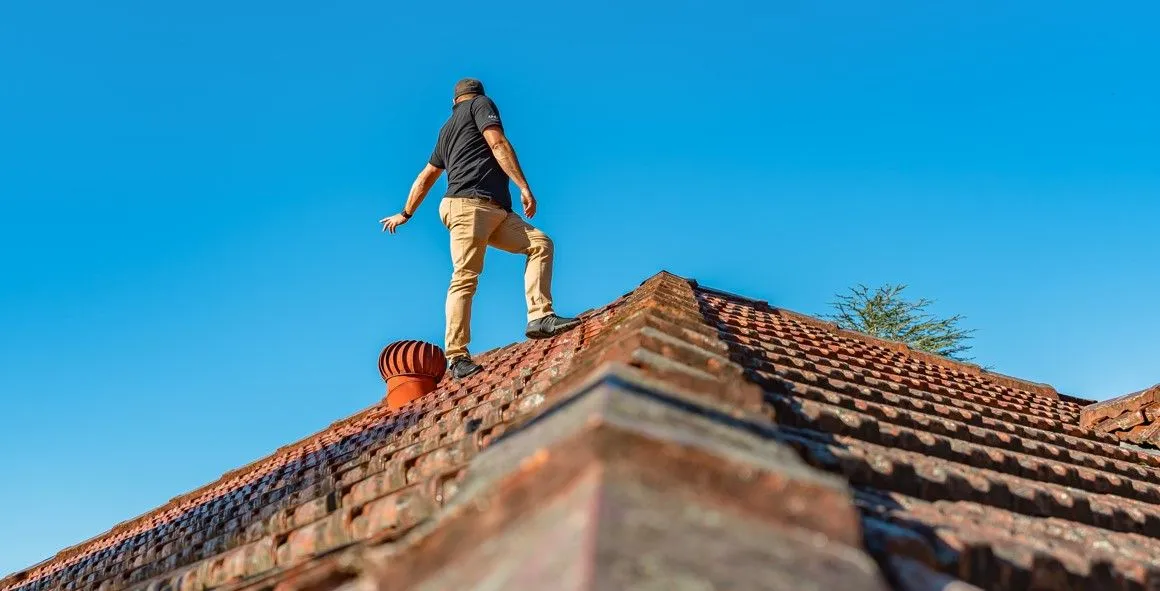
Sydney storms can roll through fast and leave a lot of damage behind. Whether it’s a summer hailstorm hammering the Hills District or a winter east coast low battering the Northern Beaches, your roof takes the full force of it. And once the weather clears, most homeowners are left wondering where to start.
Storm Just Hit Your Roof?
Good photos make or break an insurance claim. Before you climb anywhere, our Sydney team can carry out a safe, documented inspection and give you the evidence you need.
If you’re planning an insurance claim, what you photograph in the hours and days after a storm can genuinely affect the outcome. This post-storm roof inspection checklist is designed to help Sydney homeowners document the right things, in the right order, before calling their insurer.
Stay Safe: Keep Your Feet on the Ground
Never climb onto your roof to inspect storm damage. Wet tiles, damaged rafters, and displaced panels are serious fall hazards. Conduct your entire inspection from the ground or from inside the home. If you need a closer look, binoculars from a safe vantage point work well. Safety always comes before documentation.
1. Wide-Angle Overview Shots
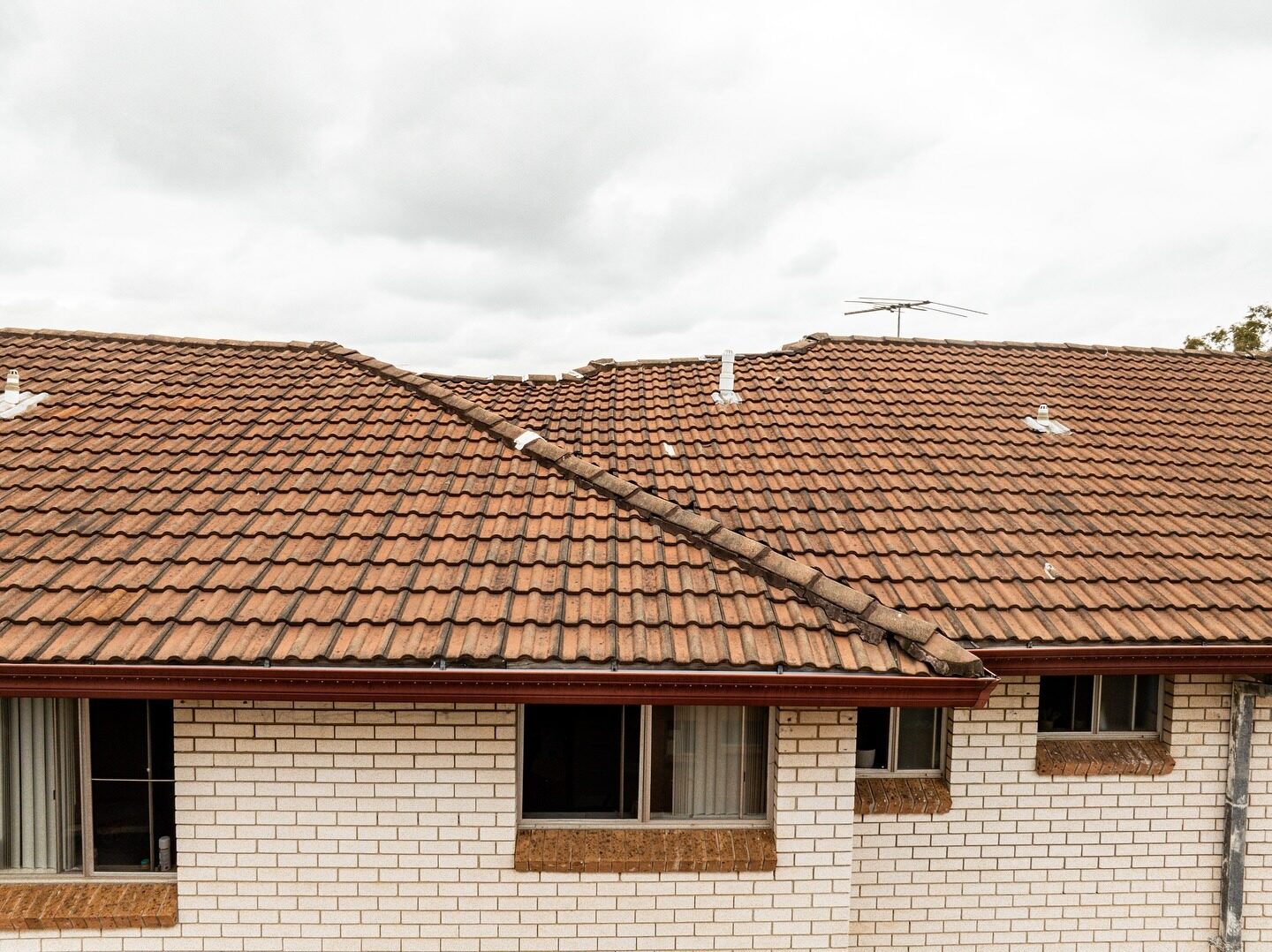
Start by photographing your roofline from all four corners of your property. These wide shots give your insurer a clear view of your roof’s full condition and layout. Make sure your photos are date and time stamped, as this helps confirm the damage occurred during the storm event rather than before it.
2. Missing or Displaced Roof Tiles
Broken, cracked, or missing tiles are the most obvious sign of storm damage on Sydney homes. Photograph any tiles that appear to have shifted, cracked, or are completely gone. For Colorbond or metal roofs, look for dents, buckled sheets, or loose fasteners.
Pay close attention to ridge capping along the top of the roof. In our experience, it’s often the first thing to dislodge in high winds, and it’s an area insurance assessors tend to review closely when processing residential claims.
3. Flashing Around Joints and Penetrations
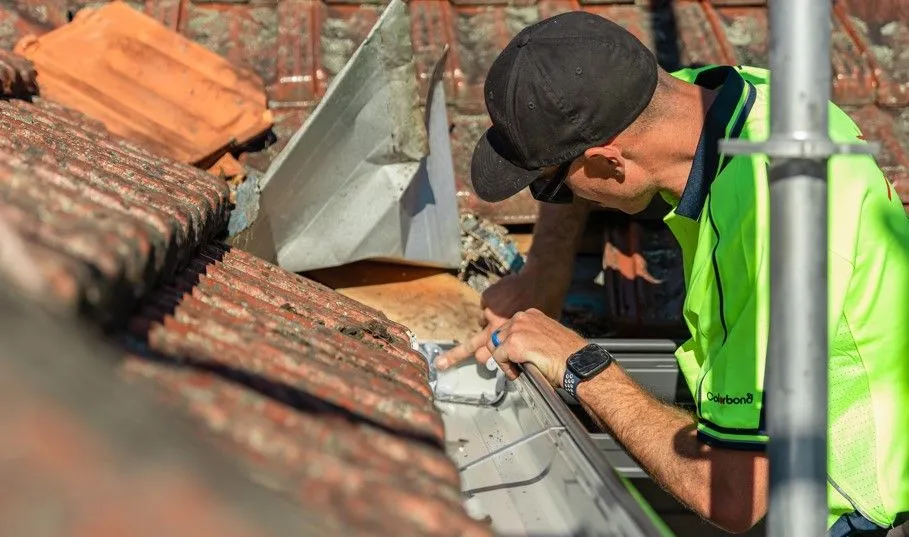
Flashing is the metal strip that seals around chimneys, skylights, roof vents, and valleys. Storm damage can cause it to lift or pull away from the surface, creating gaps that allow water to enter. Photograph any sections that look raised, separated, or bent.
This is an area that’s easy to miss from the ground, but it’s worth capturing as best you can. Even minor-looking flashing movement can be the source of significant water ingress into the ceiling cavity.
4. Gutters, Downpipes, and Overflow
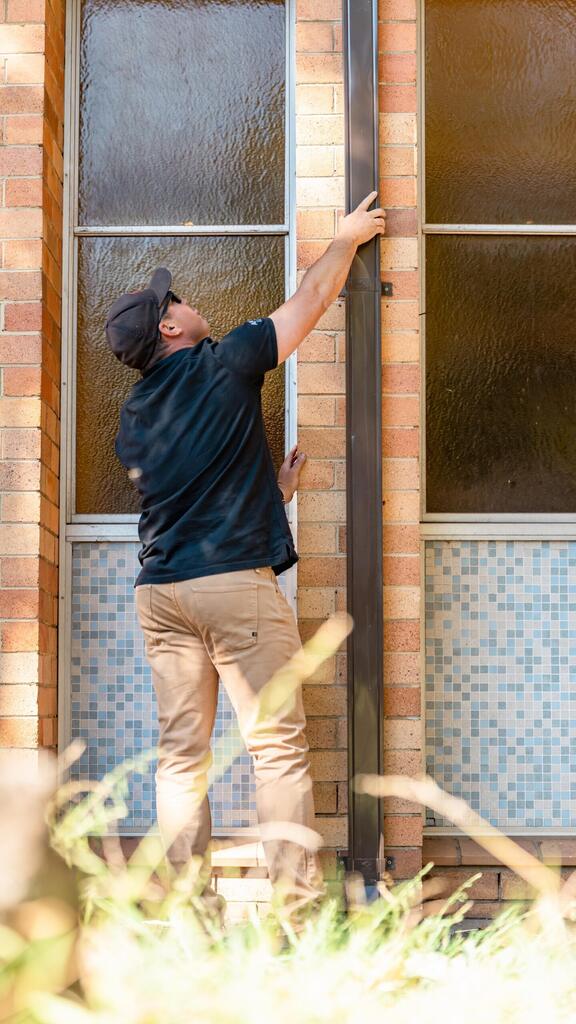
Photograph your gutters and downpipes from ground level, looking for sagging, separation from the fascia board, or visible dents. If you can safely clear storm debris from your gutters, do so and take before and after photos. Insurers often want to see that drainage was compromised by the weather event, not simply by a lack of maintenance.
📖 People also read about:
If you’d rather leave the documentation to professionals, Tomkat Roofing’s storm damage roof repair service includes a full photo report structured specifically to support insurance claims.
5. Interior Water Stains and Ceiling Damage
Head inside and check your ceilings and upper walls for new water stains, damp patches, or discolouration. If you have safe access to your roof space, look for daylight coming through the decking or moisture sitting on the insulation batts. Document everything you find, even if it looks minor.
Interior water evidence often carries real weight during the claims assessment, and it can be the detail that confirms a claim rather than complicates it.
6. Fallen Branches and Property Debris
Photograph any debris, tree branches, or objects that landed on or near the roof. These shots establish context, showing your insurer that a specific weather event impacted your property. Photos of surrounding damage to fences, gardens, or adjacent structures can add further weight to your claim.
📖 People also read about:
How to Organise Your Photos Before You Call
Before contacting your insurer, sort your images by location: front, back, left side, right side, and interior. Label each set clearly and back everything up to cloud storage so nothing gets lost. A well-organised photo file makes the assessor’s job easier and helps move your claim along faster.
It’s also worth recording a short video walkthrough of your property while narrating what you can see. Videos provide additional context that still photos sometimes miss.
💡 Need help?
We offer professional roof repair casula to help you achieve your goals.
When a Professional Inspection Makes All the Difference
Photos taken by a licensed roofing contractor carry considerably more weight with insurers than homeowner documentation alone. At Tomkat Roofing, we’ve spent over 20 years working on Sydney roofs, including direct experience working alongside Australia’s largest insurance repair builders. We know what assessors are looking for, and our inspection reports are built around that process.
If your home was caught in a recent storm and you’re not sure of the extent of the damage, reach out to our team for a thorough post-storm roof inspection and a clear, fixed-price quote. We serve homeowners across Greater Sydney, including the Eastern Suburbs, Hills District, North Shore, Inner West, and Sutherland Shire.
Act quickly. Unaddressed storm damage tends to worsen over time, and delays can complicate your ability to lodge a successful claim.
Frequently Asked Questions
What should I photograph after a storm?
Wide overview shots of the whole roof, close-ups of any missing or cracked tiles, flashing around chimneys and vents, gutters and downpipes, plus any interior water stains and fallen debris. Date-stamped photos are best for insurance.
Should I get on the roof to take photos?
No. A wet or damaged roof is dangerous. Use a zoom lens or phone from the ground, an upstairs window or a stable ladder, and leave close roof access to a professional.
Why does the insurer need so many photos?
Clear before-and-after evidence shows the storm caused the damage and rules out pre-existing wear. Good documentation reduces disputes and helps your claim get approved faster.
How soon should I inspect after a storm?
As soon as it is safe. Prompt photos capture the damage before more rain gets in, and early reporting keeps your claim within your insurer’s timeframes.
When should I call a professional instead?
If you suspect structural damage, active leaks, or anything you cannot safely see from the ground, a licensed roofer can inspect properly and provide a report your insurer will accept.
Get It Documented Properly
The right photos and a clear report speed up your claim and get the repair sorted sooner. Our team handles both, safely and thoroughly.