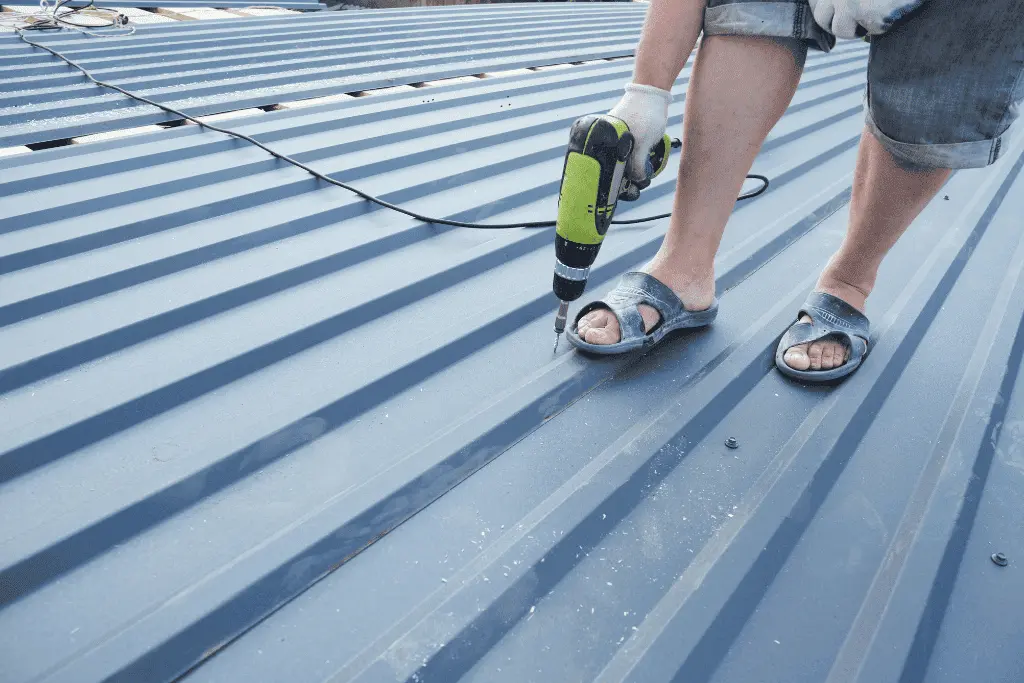
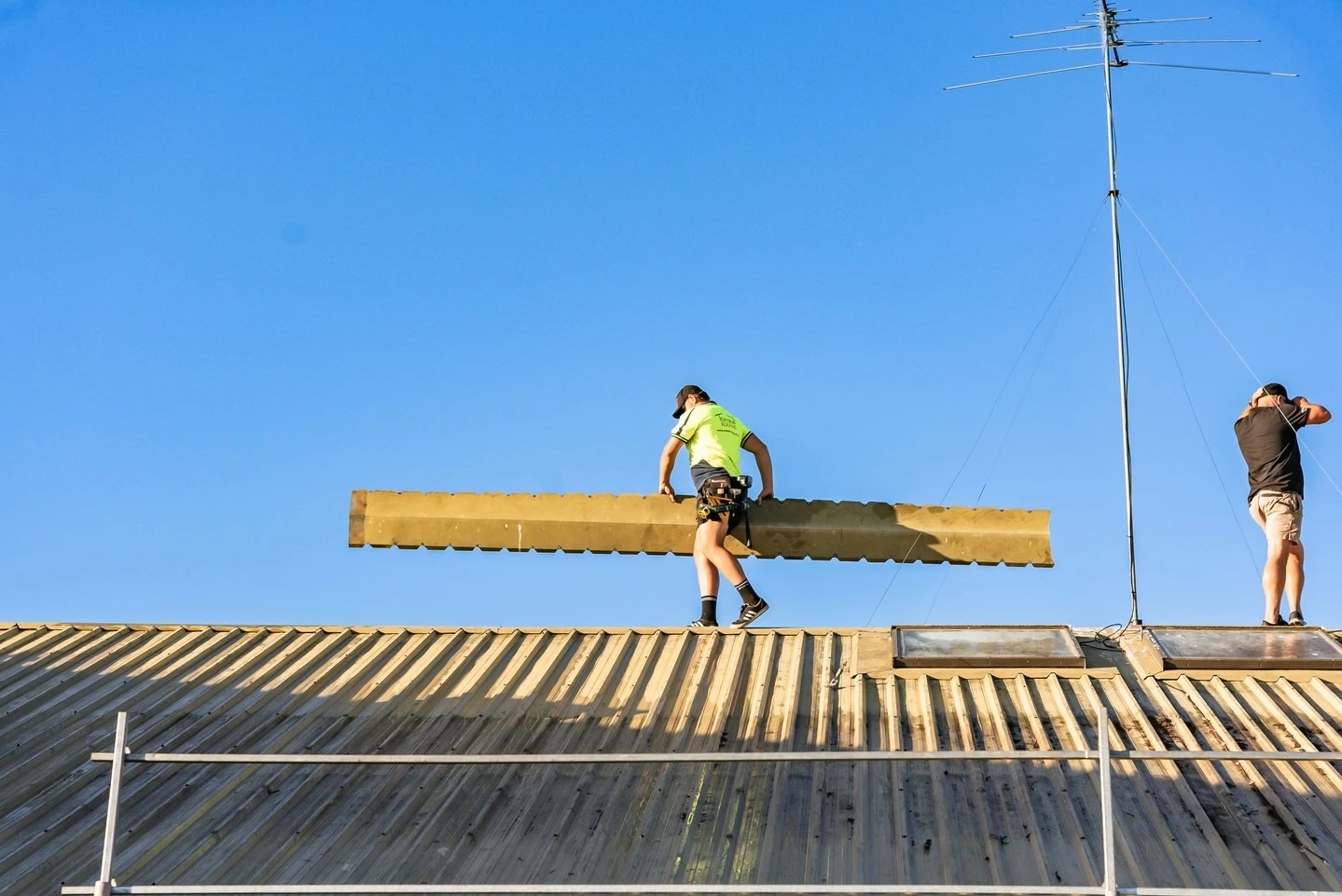
When installing metal roofing, overlapping the sheets lengthwise is essential for keeping water out and ensuring the roof performs well in Australian weather. The simple answer is that metal roofing sheets should overlap by at least one rib or a minimum of 150 millimetres, depending on the profile and slope of the roof. The aim is to create a tight, secure fit that prevents wind-driven rain from entering while helping the sheets sit firmly in place.
Metal roofing has become a popular choice in Australia thanks to its durability, fire resistance, and ability to withstand harsh conditions. Getting the overlap right is one of the most important steps in the installation process, especially for long sheets that run down the full pitch of a house, shed, or patio roof. A correct overlap helps the roof shed water efficiently and maintain long-term performance.
Why Overlapping Metal Roofing Lengthwise Matters
Overlapping lengthwise is not just a structural requirement. It boosts weatherproofing, improves load distribution, and reduces the chance of capillary action, which can draw water between poorly fitted sheets. Australian regions that experience heavy rainfall, coastal wind, or tropical storms especially benefit from proper installation.
If the overlap is too small, water may creep under the sheet. If it is too large, the panels may not sit neatly and could create visual inconsistencies. The best approach is to follow the manufacturer’s recommendations, along with accepted industry standards.
How Much Overlap Should You Use?
The ideal overlap depends on the roof pitch and the sheet profile. As a general rule:
✔︎ Roofs with a pitch greater than 15 degrees usually require a 150 millimetre overlap.
✔︎ Roofs between 5 and 15 degrees may need a slightly larger overlap.
✔︎ Some profiles require overlapping one full rib to maintain a watertight seal.F
Checking the manufacturer’s installation guide is always recommended, but the above guidelines work well for most Australian metal roofing systems.
Step-by-Step Guide to Overlapping Metal Roofing Lengthwise
Below is a practical process to help you get the overlap right and ensure a smooth installation.
1. Measure and Position the First Sheet
Start with a clean, dry surface. Position the first sheet at one end of the roof, making sure it overhangs the gutter by 50 millimetres. Align it carefully so that each sheet that follows sits straight.
2. Check the Roof Pitch
Knowing the pitch helps you determine how much overlap you need. A steeper pitch sheds water more effectively and requires less overlap compared to a low-pitched roof, which needs extra protection.
3. Add the Adjacent Sheet
Place the second sheet next to the first, making sure the rib or overlap sits neatly over the previous panel. Do not force the overlap, as this can cause buckling. The sheet should drop naturally into position.
📖 People also read about:
4. Maintain a Consistent Overlap
Use a measuring tape or chalk line to ensure the lengthwise overlap is consistent all the way down the roof. This helps maintain a straight line and avoids gaps that could cause leaks.
5. Fix with the Correct Fasteners
Use self-drilling screws recommended for metal roofing. Fasten through the crest or pan, depending on the profile. Ensure the screws pull the sheets together firmly without overtightening.
6. Consider Using Sealant for Low-Pitched Roofs
For roofs with minimal pitch or areas that face strong winds, applying a recommended neutral cure silicone between the overlaps helps improve the waterproof seal.
7. Continue Sheet by Sheet
Repeat the process for each sheet, checking alignment regularly. A small shift at the start can turn into a significant misalignment by the end of the roof.
📖 People also read about:
8. Trim and Finish Edges
Once all sheets are in place, finish the edges with barge caps or flashings to keep the roof protected and tidy.
Common Mistakes to Avoid
✔︎ Insufficient Overlap: This creates gaps that can allow water entry.
✔︎ Overtightening Screws: This can distort the sheet and compromise the overlap.
✔︎ Ignoring Roof Pitch: Using the wrong overlap for the pitch reduces effectiveness.
✔︎ Misalignment: Sheets that do not sit straight can cause water pooling.
💡 Need help?
We offer professional metal roof repair sydney to help you achieve your goals.
If you are planning a roofing project and want expert guidance, the team at Tomkat Roofing can help you choose the right materials and provide reliable installation advice.
How the Australian Climate Affects the Overlap
Australia’s varied climate influences how metal roofing is installed. In coastal regions, strong winds and salt exposure require tighter fastening and careful alignment. In tropical areas, heavy rainfall demands adequate overlap to prevent water from being driven beneath the sheets.
Bushfire zones also benefit from metal roofing because of its resistance to embers. Ensuring a proper overlap reduces the chance of debris lodging between sheets.
Whether it’s a small shed or a full home installation, Tomkat Roofing offers solutions that suit Australian conditions and support long-term roof performance.
Frequently Asked Questions
Can metal roofing sheets be overlapped too much?
Yes. Excessive overlap can make the roof uneven and may reduce structural efficiency. Stick to the recommended measurements.
Do all metal roof profiles require the same overlap?
No. Different profiles have unique requirements. Always check the manufacturer’s guide.
Should I use sealant between the overlaps?
Sealant is recommended for low-pitch roofs or areas exposed to strong winds. It is not always required for steep-pitched roofs.
Can I walk on metal roofing during installation?
Yes, but step on the areas supported by battens or purlins to avoid denting the sheets.
How do I know if my overlap is watertight?
A properly aligned overlap with the correct fasteners and pitch will usually be watertight. If uncertain, have a professional inspect the installation.
The Way Forward
For dependable installation, expert roofing advice, and premium quality metal roofing services, contact Tomkat Roofing today. Our experienced team is ready to assist with durable, long-lasting solutions for your home or project.