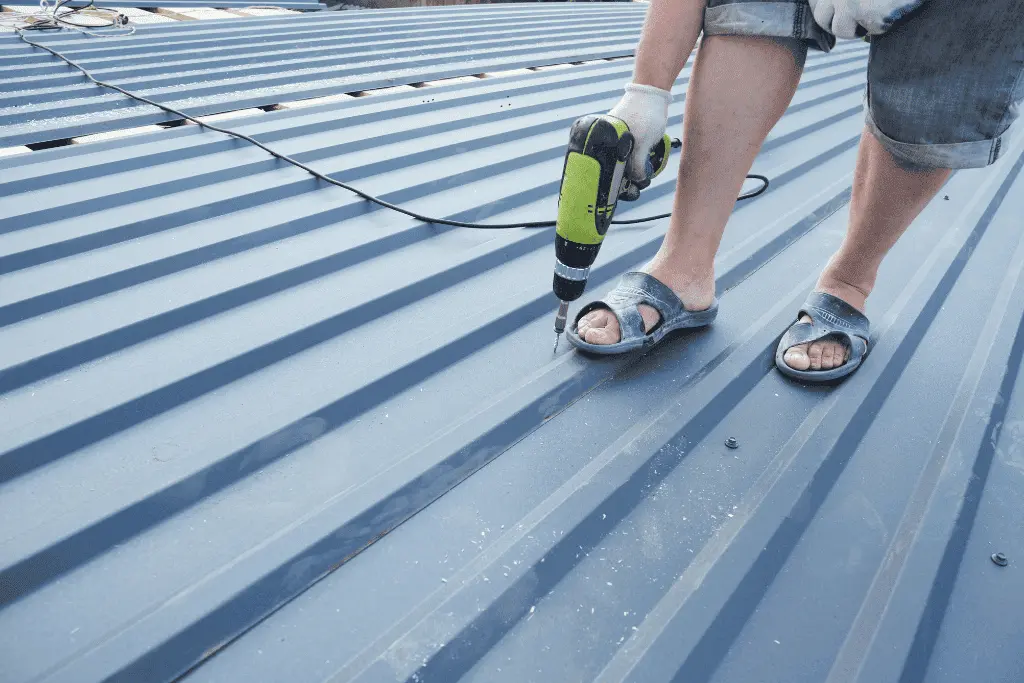

Your roof shouldn’t feel like a sauna in summer or a freezer in winter – yet without proper insulation, it can. We see it all the time in Sydney homes: wasted energy, rising power bills, and discomfort because the insulation under metal roofing isn’t done right.
Metal roofs need more than just panels and screws – they need a shield between your home and our unpredictable weather. Condensation, heat buildup, and noise can drive anyone mad if insulation is left as an afterthought. Whether you’re a homeowner tired of patchy fixes or a builder chasing quality workmanship, this guide’s made for you. At TomKat Roofing, we’re here to help you do it right, right from the start.
Why Insulating Under Metal Roofing Is Important
Your home shouldn’t bake in the heat or freeze overnight. Insulation under metal roofing keeps temperatures steady inside, no matter what’s happening outside.
It stops wild temperature swings and keeps every room cosier. Whether you’re battling Sydney’s summer scorchers or chilly winter winds, insulation adds a steady layer of comfort year-round without relying too much on heating or cooling systems.
Improving indoor comfort and temperature regulation
Without it, rooms can feel like ovens by midday and iceboxes at dawn. Insulation cushions indoor spaces from those outside extremes. It evens out airflow and keeps each room feeling just right – no hot spots, no icy chills, just consistency you can live in comfortably.
Cutting energy costs over time
Think of it as investing once to save endlessly. Good insulation reduces your heater and air conditioner’s hard work, which means far lower energy bills. We see plenty of homes where a simple insulation job helped owners save hundreds every billing period. Savings like that add up fast.
Preventing roof condensation
Condensation hides in places you don’t notice – until mould or corrugated ceiling stains appear. With proper insulation and barriers, metal roofs stay dry. It acts as a protective buffer, stopping warm inside air from trapping moisture against cool metal panels. That stops future rot and mess.
Supporting sustainable living
Less energy use means lower emissions. That’s a big step if you’re trying to live cleaner and do your part for the planet. We recommend eco-conscious materials that perform well and reduce your carbon footprint. It’s insulation that works both inside and out.
Preparing for Insulation Installation
Every great job starts with smart planning. Whether it’s a tiny upgrade or a full roofing refit, the setup matters just as much as the material.
Evaluating the metal roofing condition
Before laying anything down, it’s critical to check for rust, holes, or loose panels. These flaws will sabotage proper insulation.
We often fix minor issues first so the insulation can sit flush and last longer. Stability gives everything underneath more staying power.
Gathering tools and safety equipment
Insulation isn’t dangerous, but poor prep can lead to slips or breathing issues. Gloves, masks, long sleeves, and good airflow keep things safe.
📖 People also read about:
We use proper cutting tools, safe ladders, and protective kits – small steps that prevent big risks once up there.
Planning for ventilation and moisture control
Without fresh air options, insulation can trap damp air and cause more harm than good. That’s why ventilation planning is key.
We often install vapour barriers to stop warm air from rising and settling where it shouldn’t. Dry roofs last, damp ones don’t.
Understanding local building codes
Sydney councils and the ORNL set rules for insulation thickness and R-values. We stick to these in every project.
That avoids fines, boosts safety, and keeps any future roof repairs or sale processes stress-free. Compliance is always built with us.
Choosing the Right Insulation Type for Metal Roofs

One product doesn’t fit every roof. The size, pitch, and daily sun exposure all affect which insulation type performs best.
Common insulation materials
We often use fibreglass batts or mineral wool in standard homes. Spray foam and blown-in solutions work well in trickier spaces.
📖 People also read about:
Each one brings certain benefits – some trap heat better, others dampen noise. It all depends on your space and plans.
Reflective and rigid board insulation
Foil-backed bubble wrap or radiant barriers bounce heat back out, making them perfect for sunny Sydney roofs.
Rigid foam boards pack a punch where panel space is limited. These add layers of insulation without bulk.
Evaluating material effectiveness
We rate each option’s performance based on thickness, fire safety, moisture resistance, and longevity. That helps pick insulation that lasts.
💡 Need help?
We offer professional metal roof repair sydney to help you achieve your goals.
It’s not about what’s cheapest – it’s about what fights off the most heat and protects the surface best.
Matching insulation to climate and roof design
If your home bakes in summer, radiant barriers might help most. If it chills fast at night, batts provide more warmth.
We match the roof’s pitch, material, and daily exposure to an insulation strategy that suits your exact location.
Step-by-Step Guide to Installing Insulation Under Metal Roofing
A smooth job avoids gaps, drips, squeaks, and wasted energy. Here’s how we install it right the first time – every time.
Step 1: Clean and inspect the surface
Brush off dirt and leftover sealants. Every fixture and screw gets checked for tightness. We repair small faults before layering anything.
This ensures the insulation lies flat and stays put through heat, storms, or time.
Step 2: Lay insulation material properly
Each roll, batt, or sheet must line up tightly with the next one. No gaping edges, no overlaps. Our team trims around junctions and joins so air doesn’t sneak through, keeping energy use low.
Step 3: Secure insulation and seal joints
We tape seams, fasten edges, and double-check every panel for looseness. Even a small air leak can ruin efficiency. All gaps get filled or re-cut for cleaner finishes and reduced drafts over time.
Step 4: Ensure barrier installation if needed
We add reflective, radiant, or vapour barriers based on what your home needs. These back up the main insulation layer. This final step locks out extra moisture and heat migration, making sure the whole build-up behaves properly.
Advanced Installation Considerations
Want to take things up a notch? Small upgrades here will make your roofing insulation work smarter and longer.
Understanding R-value and thickness
We match insulation R-values to the suburb and setup. Cooler spots need thicker layers. Higher R-values mean better protection against heat transfer and longer home comfort every day.
Addressing thermal bridging and gaps
Steel conducts heat fast, so we block escape points around joins. Strategic cuts and back-filling stop cold patches. This limits energy waste and makes outdoor temperature changes harder to feel indoors.
Integrating ventilation systems
Proper roof vents or breathable facades allow moisture to escape and keep attic temps even. We align exhaust points with insulation for an airflow path that doesn’t disturb everything beneath.
Improving indoor air quality
Trapped moisture leads to mould, which pollutes indoor air. Our insulation selections help regulate humidity indoors. Cleaner air, especially for kids or older residents, starts with how roofs breathe and resist build-up.
Cost and Long-Term Efficiency
Installing insulation isn’t just about the cost – it’s about what it saves later in power bills and roof upkeep.
Estimating material and labour costs
Our free inspection shows if DIY works or if it’s smarter to call in pros. That choice affects cost and result. Prices vary depending on how high, steep, or cluttered the roof is. We tailor things cost-efficiently.
Return on investment calculations
Better insulation brings 15–25% energy savings, depending on house type. It often pays for itself in under three years. It adds long-term comfort with zero ongoing maintenance costs compared to appliances or system upgrades.
Accessing rebates and incentives
We guide you through local rebates or Energy Star certifications when eligible. That helps make upgrades more affordable. These programs reward certified installs with long-term financial perks and added resale value.
Longevity and maintenance
We recommend inspections every five years and touch-ups only if damage or leaks show. Our work includes warranties. With correct installation and dry conditions, modern insulation stays efficient for 20 years or more.
Frequently Asked Questions
Should insulation touch the underside of the metal roof?
Only certain types – like spray foam or rigid board – should. Others need air gaps or moisture might build up underneath.
Is it necessary to leave an air gap?
Yes, for most installations. Gaps allow ventilation and prevent moisture problems, especially in foil-backed or batt setups.
What’s the cheapest insulation method for metal roofs?
Foil bubble insulation tends to be the most budget-friendly, though it’s best for mild climates or sheds.
How do I install rigid foam under an existing roof?
You’ll need to remove the panels carefully, install the foam between rafters or beneath battens, then reseal it firmly.
Protect Your Comfort From the Ceiling Down
It’s the kind of peace you don’t realise you’ve been missing until you finally experience it. That quiet, steady hush in a room that holds its temperature perfectly, even when Sydney throws its worst at your roof. A level of comfort that feels effortless.
Insulating under a metal roof isn’t just about trimming power bills – it’s about creating a home that works with you, not against you. Whether it’s softening the summer scorch or shutting out the winter chill, getting it right delivers comfort you can feel all year round.
At Tomkat Roofing, we install insulation with precision under metal roofing so Sydney homes stay comfortable, stable, and strong. Let’s help you do it right – get in touch today.