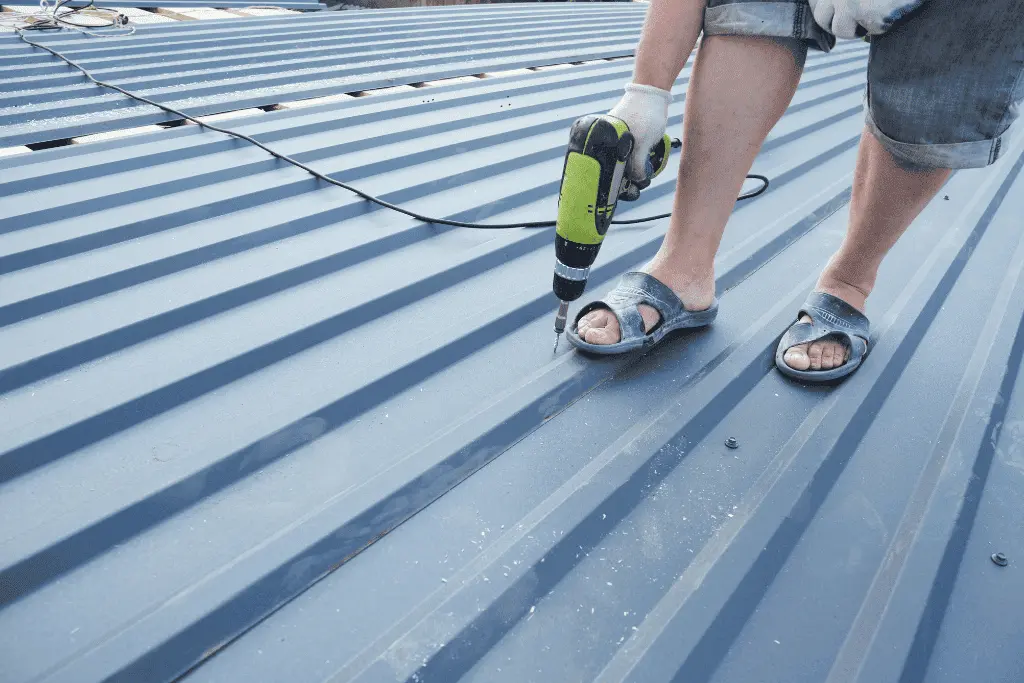
Your roof cannot text when it’s in trouble – but it leaves signs if you know where to look. Putting off roof issues often leads to water damage, insulation loss, and sleepless nights listening to leaks.
We often hear, “It’s probably fine,” until a summer storm says otherwise. Spotting cracked tiles or sagging gutters early saves thousands. Age, weather shocks, and poor installs creep in quietly, but Sydney’s climate has a way of speeding things up.
If you’re a Sydney homeowner, you know the risk our sudden downpours pose. That’s where we come in. At Tomkat Roofing, we help detect the real issues and deliver repairs that protect your property for years.
Common Visual and Physical Signs of Roof Deterioration
The signs don’t usually shout – they whisper. But ignoring small roof issues often leads to expensive damage inside your home.
We’ve seen it too often in Sydney – tiles that fall during a storm, tiles sliding out unnoticed, or pooling water in attics. These aren’t just cosmetic concerns; they’re red alerts that your roof might be at the end of its life.
Exterior Indicators to Check
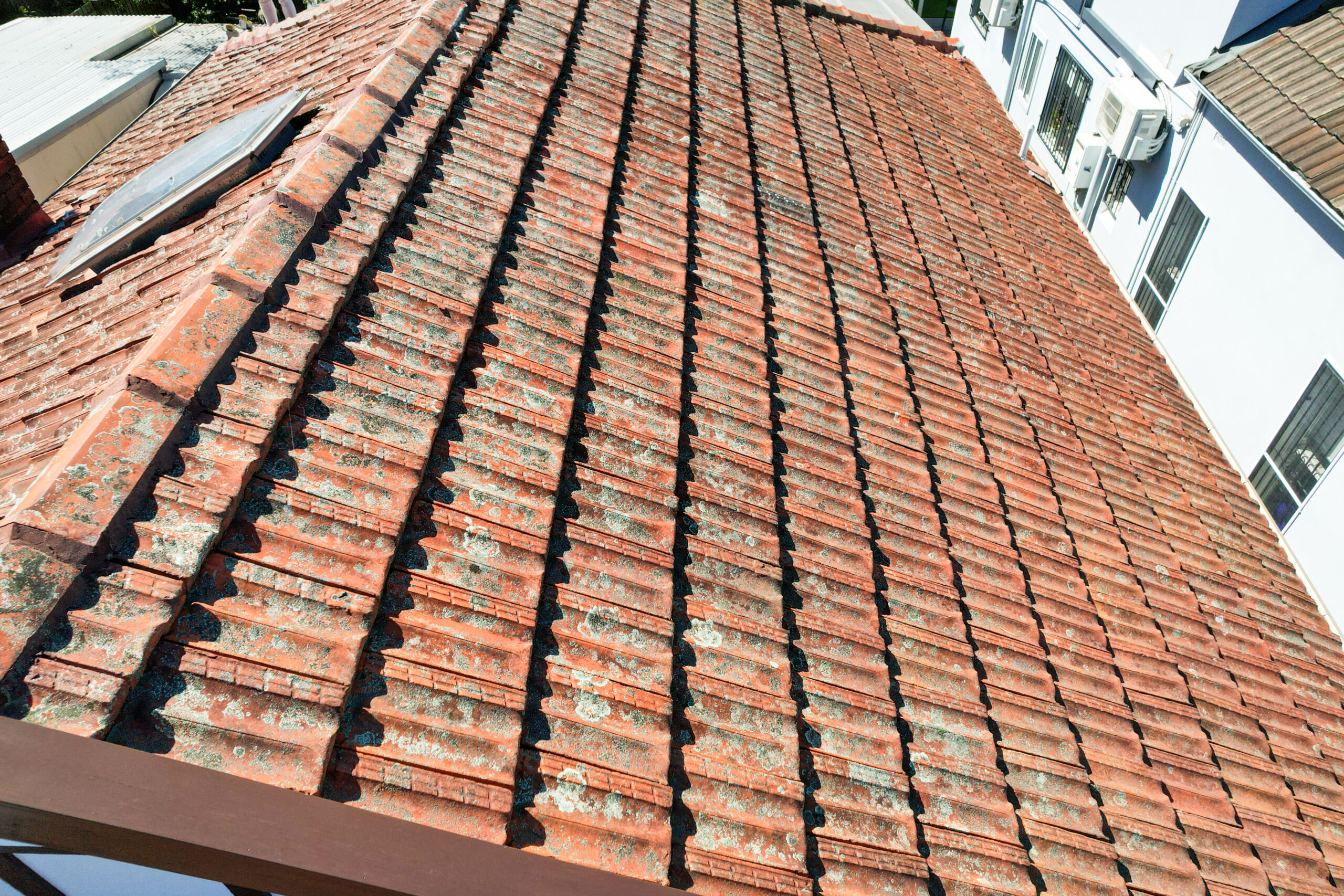
Looking up at your roof can sometimes reveal more than you’d expect. If your tiles are cracked or completely missing, that’s a major red flag.
Tiles might start curling at the edges, going bald, or appearing flimsy – classic signs of wear. Finding gritty granules in the gutters or puddles forming after heavy rain also points to damage.
Weather in Sydney can be hard-hitting, and roofs suffer the brunt of it. We’ve tackled roofs scattered with hail dents and high-wind shifting that made secure structures unsafe.
Interior Clues That Can't Be Ignored
Sometimes, the loudest warnings come from inside. Stains on your ceilings or damp patches in the attic often mean water is sneaking through from above.
If sunlight peeks through the boards or your roof deck looks like it’s sagging – you’re dealing with much more than just age.
Moisture caught in rafters breeds mildew quickly, and that can creep into your walls. We’ve responded to countless calls where timely inspections could have stopped indoor damage before it snowballed.
Understanding the Age and Lifespan of Your Roof
Even the strongest roof has a deadline. Time, weather, and poor upkeep will slowly break it down – sometimes without obvious warnings at first.
Knowing your roof’s materials and their typical lifespan can help you stay ahead of potentially costly problems.
Age-Related Roof Decline
Tile roofs usually last around 50 years, whereas metal might stretch to 70 with good care. Still, materials weaken with exposure.
In older roofs, we often see splits and warps that come from decades of sun, wind and rain. Regular checks are the only way to keep them healthy.
We advise maintenance throughout the year – just like servicing your car. A little toner now saves the cost of a full replacement later.
Roof Longevity Factors
Harsh summers, hail storms and sudden cold snaps – Sydney throws everything at a roof. And it adds up quickly over the years.
Homeowners who forget to clean gutters or check flashings shorten their roof’s lifespan without even realising.
📖 People also read about:
If you’re seeing more frequent leaks despite repairs, or sudden spikes in temperature indoors, the roof may no longer be doing its job.
Cost, Value, and Safety Considerations for Roof Replacement
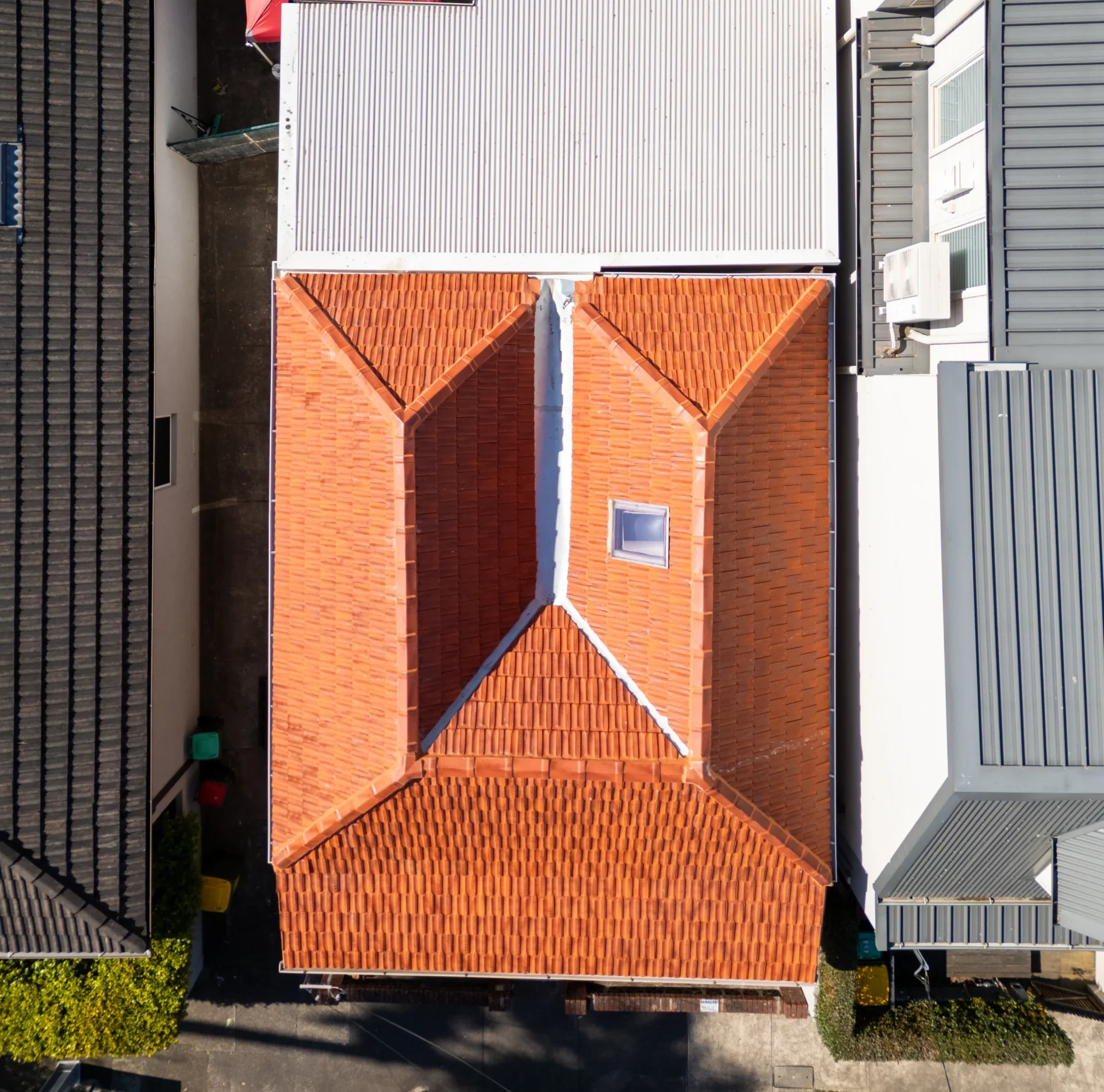
Putting off a roof replacement to save money usually backfires. It quickly becomes a cycle of hidden costs and safety problems.
Knowing what you’re risking financially and physically helps in deciding when to act.
Financial Implications
We often get calls after clients have spent thousands on repeated patch-ups. Those repairs add up fast without solving the core issue.
If your roof is covered under home insurance and you’ve tracked damage with inspections, you might be eligible for coverage.
There are financial help options available – especially for families, seniors or storm-affected homes. We can walk you through those pathways.
Safety and Property Risks
A leaky roof is a risk magnet. We’ve seen homes with mould infiltrating the walls, weakening beams, and causing respiratory issues.
Serious roof damage also lowers your home’s resale value. Buyers won’t take that gamble, and they’ll expect discounted prices.
Damaged insulation means heat escapes in winter and bakes in summer – leaving systems working overtime and driving bills up.
Inspection Techniques and Maintenance Habits
Waiting for leaks is too late. Regular roof inspections and simple upkeep habits make all the difference in roof lifespan and performance.
📖 People also read about:
Here’s how we encourage both homeowners and investors to stay on top of things without special tools.
How to Evaluate Roof Condition
You can start with a ground-level visual check – look for tile shifts, debris build-up, or gutter overflow.
Inside, check attic corners for moisture or mould. Shine a torch upward for signs of light between boards.
While DIY is helpful, nothing beats the trained eye of a professional. We offer free inspections that catch what others might miss.
Key Maintenance Practices
Keep your gutters clear – blocked drains are one of the biggest causes of water damage. Trim any overhanging branches nearby.
Inspect flashing around chimneys and skylights each season. These are weak spots if not sealed properly.
Preventative upkeep every six months helps push replacement needs back by years. Treat your roof like your car – it needs regular attention too.
When to Consult Professionals
You don’t need to wait for leaks or tiles to fall off before calling for help. Timing is everything.
We help Sydney families decide whether a patch or a full re-roof is safest and most cost-effective.
Deciding Between Repair and Replacement
If you’ve had to call someone several times in the past year for leaks – it’s time to re-evaluate. Short-term repairs can’t hold forever. Covering the same leak over and over builds cost without solution.
💡 Need help?
We offer professional roof installation to help you achieve your goals.
We compare repair expenses versus new installation quotes to help find the smartest choice for your situation.
Finding and Hiring Experts
We recommend choosing licensed roofers with a record of clean, safe, and on-time jobs. Customer reviews tell a powerful story.
When booking your inspection with us, we explain the findings with clear photos and simple wording.
Trust is everything in this industry – and it’s earned by doing what we promise, as many of our clients proudly share.
Roof Damage Scenarios and Red Flags
Damage isn’t always dramatic – it often hides quietly until a storm pulls it all to the surface. Spotting smaller issues early can protect your entire roof system from collapse.
Common Weather and Structural Damage
After a storm, look at your gutter lines and flashing seals. Dents or detachments will tell you if wind and hail left bruises behind.
We’ve seen fascia bending from too much rain or poor installation – and water then creeps into walls. Delaying fixes can cause minor damage to spread to roof supports and ceilings before you even notice it.
Less Obvious Issues to Track
Even tiny cracks in the surface materials can lead to major leaks over time. Subpar workmanship leaves these flaws right from the start.
We’ve found gaps left from rushed jobs that became major roof leaks months later. Safety is key – don’t climb up alone. Instead, use binoculars or book a proper inspection and let us do the risky work for you.
Frequently Asked Questions
When is the best time to replace my roof?
Spring and autumn are ideal for roof replacements, offering mild weather conditions without extreme heat or heavy rain.
Can I upgrade my roof during replacement?
Absolutely. You can choose from high-quality Australian-grade tiles or modern Colorbond profiles. Our team will guide you through all available design and material options.
Does home insurance cover roof replacement costs?
In many cases, yes. If your roof was damaged suddenly by hail, wind, or falling trees, your insurance policy may cover the repair or replacement. Always review your policy details first.
What can void my roof warranty?
Skipping annual inspections or using improper cleaning methods can void your warranty. Regular maintenance and professional care help keep it valid.
How can I ensure my warranty stays protected?
We clearly explain all warranty terms after installation and provide detailed inspection reports as proof for future claims. Keep these records safe for easy reference.
Contact Tomkat Roofing at 1300 866 528 or info@tomkatroofing.com.au to book your free inspection or replacement quote today. We’re here to protect the protection over your head – literally.
Is Your Roof Whispering Warnings You’ve Ignored?
Sometimes, we wait for a leak to flood the hallway before accepting what the ceilings have been hinting at for months. By the time stains bloom and tiles drop, your roof’s already been crying out for help. It’s rarely sudden – just easy to overlook until it isn’t.
If you’re seeing sagging spots, broken tiles, or hearing unfamiliar creaks during Sydney storms, it’s time to stop guessing. A roof past its prime doesn’t need to scream for attention – it speaks through subtle signs that shouldn’t be ignored.
At Tomkat Roofing, we listen before the damage gets worse. Our licensed team delivers careful inspections and expert repairs designed just for Sydney roofs. Reach out today for peace of mind and lasting protection.