
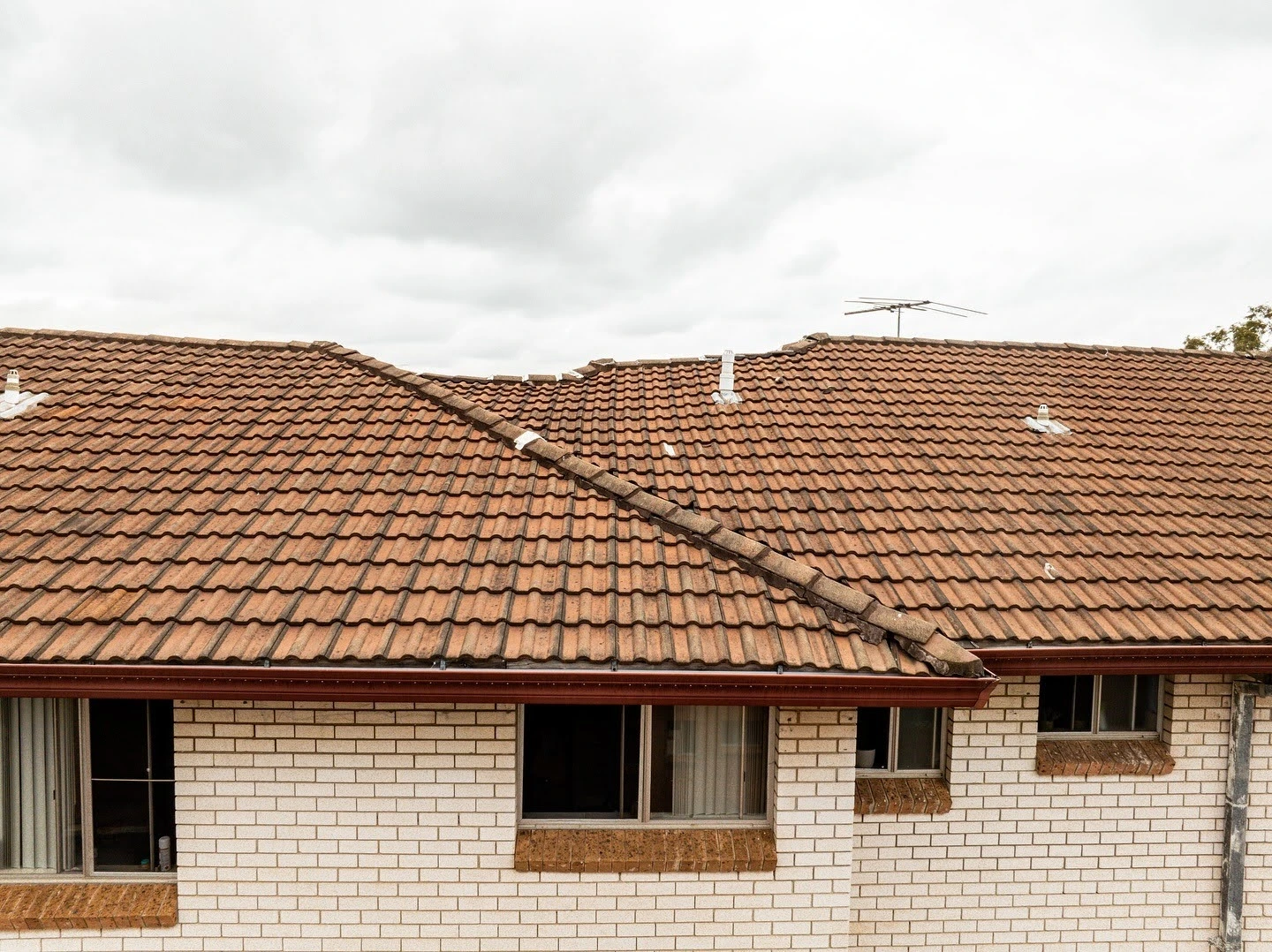
Every Sydney storm season brings the same phone call. A homeowner walks into the lounge room, spots a brown stain creeping across the ceiling, and wants to know one thing before anything else: will insurance pay for this? The answer has less to do with how bad the damage looks and more to do with what caused it. Here is how NSW home insurance actually treats roof leaks and storm damage, and what you can do to give your claim its best shot.
Not Sure If Your Claim Will Be Covered?
Get a licensed roofer to inspect the damage and give you a written report for your insurer.
The Short Answer: Sudden Damage Yes, Slow Decline No
Most NSW home insurance policies cover roof damage that happens suddenly because of an insured event such as a storm, hail, a lightning strike or a falling tree branch. What they generally will not cover is damage that built up quietly over years, like rusted valleys, crumbling ridge bedding or tiles that have been slipping since before you moved in.
Insurers apply one basic test. Was this sudden and unexpected, or was it something a reasonable owner should have picked up and fixed? Two houses on the same street can leak in the same downpour and get completely different outcomes based on that single question.
What NSW Policies Usually Cover
Storm cover across most Australian home policies tends to include:
- Tiles cracked, lifted or blown off during high winds
- Hail dents and punctures to metal sheets, ridge capping and roof vents
- Water entry through storm-damaged flashing, valleys or skylight junctions
- Gutters and downpipes torn away or crushed by falling branches
- Internal water damage that flows on from covered roof damage, including soaked ceilings, cornices and insulation
Many policies also pay for emergency make-safe work, which is the temporary tarping or sealing that stops water getting in before permanent repairs happen. In the twenty-plus years our team has been on Sydney roofs, the claims that move quickly are almost always the ones where the storm event and the damage line up cleanly in the paperwork.
What Usually Gets Knocked Back
The exclusions are where homeowners get caught out. Insurers routinely decline claims involving:
- Rust and corrosion on ageing metal roofs
- Perished mortar bedding and pointing on ridge caps
- Blocked gutters that overflowed back into the eaves
- Leaks that already existed before the storm
- Previous repairs done poorly or without a licence
Wear and tear is the big one. If a roof is thirty years old and the pointing has turned to dust, wind-driven rain will find its way in during any decent storm, and the insurer will treat that as a maintenance problem rather than storm damage. Age alone does not disqualify you, but neglect often does.
📖 People also read about:
There is a middle ground worth knowing about. If a storm knocks a tree onto a tired old roof, the insurer may still pay for the damage the tree caused while refusing to fund an upgrade of the rest of the roof. You will also wear your excess, and betterment rules mean you are entitled to have the roof restored to its previous condition, not improved beyond it.
The First 48 Hours Make the Difference
Once the weather clears and it is safe, photograph everything. Shots from the ground of anything visible up top, and shots inside of every stain, drip and damp patch, all with dates attached. Report the damage to your insurer straight away rather than waiting until the repair is sorted.
Then get water entry stopped. Most policies expect you to take reasonable steps to limit further damage, so tarping an open section or clearing a blocked downpipe works in your favour. Booking storm damage roof repair with a licensed roofer secures the property and captures the evidence at the same time, which saves doubling up later. Hold on to the broken tiles or torn sheets too, because an assessor may want to see them.
Why a Proper Roof Report Changes the Conversation
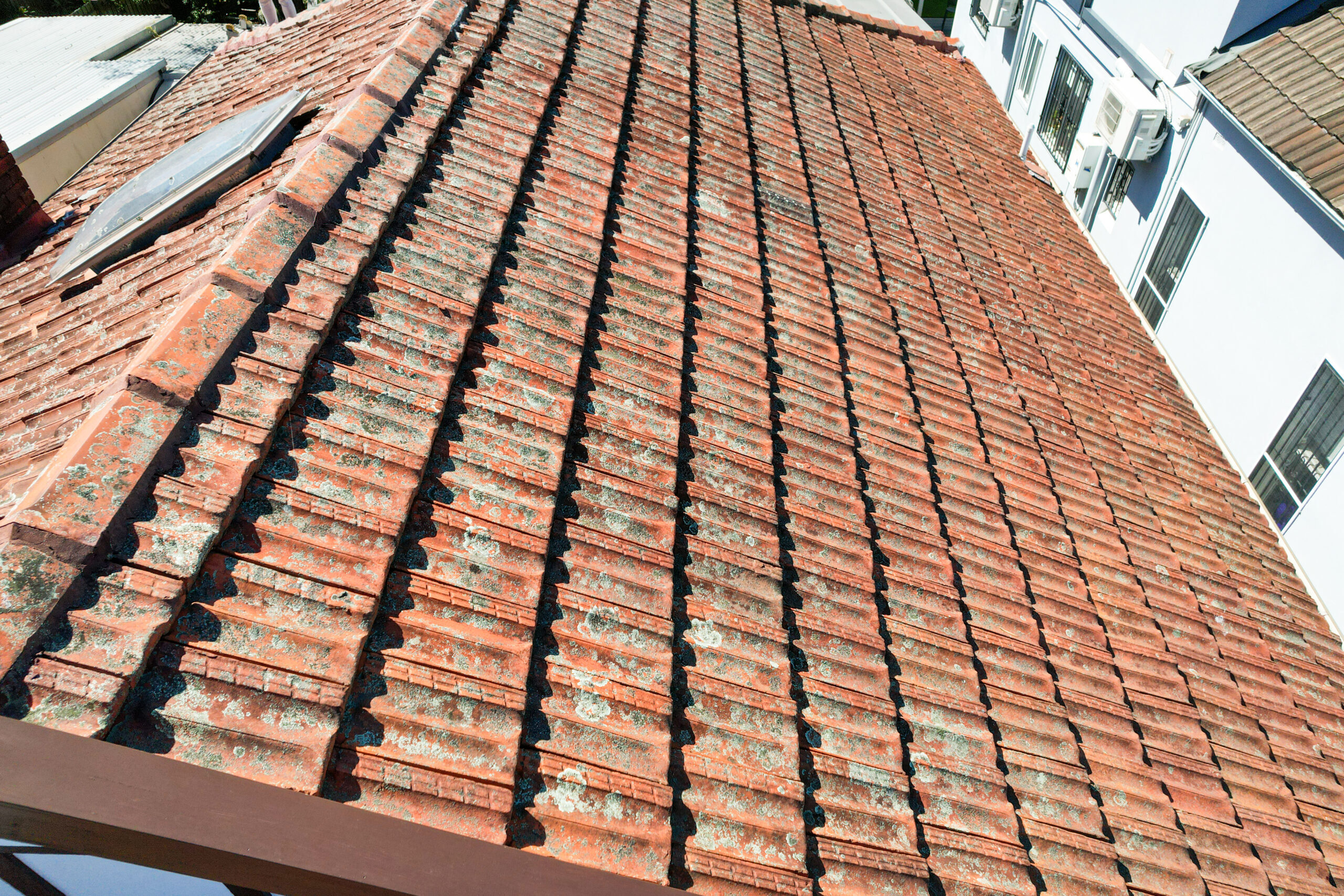
Your insurer is weighing up two competing stories: sudden storm damage, or a roof that had been failing for a while. A detailed inspection report is what settles the argument.
📖 People also read about:
A useful report does more than list what is broken. It pinpoints where water entered, backs it up with photos, describes the mechanism (a sheet lifted at the fixings under wind load, say) and clearly separates storm-related damage from anything pre-existing. Tomkat Roofing works alongside some of the largest insurance repair builders and strata companies in Australia, and the reports that hold up under scrutiny are the ones specific about cause rather than symptom. Assessors approve claims far more comfortably when a licensed roofer who has physically been on the roof has spelled out the causal link.
Maintenance Is What Protects Your Cover
Policies require you to keep the property in reasonable condition, which is why insurers ask about maintenance history. Simple habits give you documented proof that the roof was sound before the storm:
- An annual roof inspection with a written, photographed report
- Gutters and valleys cleared before storm season
- Ridge caps repointed as soon as they start breaking down
- Minor repairs done promptly instead of being left to spread
Keep the invoices and reports. A file of maintenance records turns a contested claim into a straightforward one.
Living in a Strata Building?
If your unit sits under a shared roof, that roof is typically the owners corporation’s responsibility and any claim goes through the strata policy rather than your own. Your contents insurance still covers your belongings and internal fittings. Report the leak to your strata manager quickly, because delays in a shared building tend to hurt everyone’s claim.
Not Sure Where You Stand? Get the Roof Assessed First
Guessing whether damage is storm-related or age-related rarely ends well. A licensed roofer can tell you within an hour on site, and give you the documentation your insurer needs to make a decision.
💡 Need help?
We offer professional storm damage roof repair sydney to help you achieve your goals.
Tomkat Roofing provides free inspections, detailed photo reports and honest advice on whether a claim is worth lodging, across Sydney, Wollongong and the Lower Blue Mountains. Get in touch with our team or call 1300 866 528 for 24/7 emergency storm response.

Get a Roof Report for Your Insurer
Our Sydney team will inspect your roof, document the damage and make it safe from more rain.