Rain tapping on the roof might sound soothing to some, but not when it echoes like a drum overhead. We hear it all the time: “Are metal roofs noisy?” It’s a common concern that can pause even the best laid roofing plans.
It’s a fair question, especially if you’ve ever heard those loud, rattling sheds during a storm.
But homes aren’t built like sheds, and neither are modern metal roofs when they’re installed correctly.
If you’re a Sydney property owner chasing both peace of mind and long-lasting protection, you’re in the right place. At TomKat Roofing, we use expert detailing, premium materials and proven installation techniques to keep your roof strong, secure and impressively quiet.
Understanding Metal Roof Noise
Metal roofs can be strong, attractive, and long-lasting, but some homeowners worry they’ll come with unwanted sound effects.
We’ve handled many Sydney roofing projects where people voiced concerns like “Do metal roofs make noise in the rain or when it’s hot?” and we get it-no one wants to feel like they’re living inside a drum.
📖 People also read about:
Understanding metal roof noise starts with identifying the sources. Rainfall, thermal expansion, and strong winds are typical culprits. But not all metal roofs sound the same, and modern techniques can minimise those issues with precision.
Typical Noise Issues Reported with Metal Roofs
Most common complaints about metal roofs centre around three recurring sound issues we’ve seen time and time again. First is wind-induced rattling, which usually happens when panels aren’t tightly secured.
Next comes the drumming effect of rain, especially heavy showers, which echoes across wide metal surfaces. And then there are the strange popping sounds, mostly caused by temperature shifts. Though they sound sudden, they’re often predictable if the roof isn’t correctly built. These aren’t permanent problems, especially when skilled professionals install your roofing the right way from the beginning.
Causes of Noise in Metal Roofs
Temperature plays a major role in roof noise. As heat rises, metal expands, and when the cool air settles, it contracts. This natural movement can create sudden popping sounds, especially during early mornings or late evenings. Loose fixings and fasteners are another common trigger. Even a few screws that shift or aren’t tightened properly can amplify noise as pressure builds.A lack of insulation beneath the roof surface also allows sound waves to echo without any cushioning, making the noise more noticeable.
📖 People also read about:
At TomKat Roofing, we address all these factors in every metal roof installation, ensuring your roof performs quietly, efficiently and reliably.
When Noise Becomes a Problem
Roof noise turns from a minor background sound to a true issue once it interrupts everyday living. We’ve seen houses where new installations creak as they settle, and while normal, it’s unsettling without proper expectations. Variations in weather patterns, especially Sydney storms and hot days, can intensify metal noises. These energy shifts – cool nights after hot days – result in distinct clicking or tapping. If noise becomes persistent, it may be a symptom of issues that require expert attention.
External Factors Affecting Roof Sound
Weather, more than any internal factor, often introduces roof noise when you least expect it. In Sydney, the shift between cool coastal breezes and hot inland winds means your roof is exposed to a wide range of conditions year-round. This constant fluctuation affects how metal reacts and how much sound it produces. Understanding how weather interacts with your roofing system gives you greater control and confidence long before things get noisy.
✔ Effect of Rain and Wind
Rain hitting a metal roof can be surprisingly loud, more so without the right insulation below it. Raindrops hitting large, hard surfaces echo unless they’re softened by barriers like acoustic underlays. Wind doesn’t just whistle-it causes vibrations in roof sheets, especially if they aren’t secured tightly. At our recent warehouse roofing job in Wetherill Park, we worked around this with reinforced installation techniques to block roof movement and reduce sound reflections.
✔ Heat and Sun Exposure
As sunlight heats metal, the structure may expand rapidly, causing sharp, irregular sounds. Roofs with darker colours absorb more heat than lighter colours, making them more prone to thermal noises. This is particularly noteworthy in older Colorbond roofs with minimal soundproofing, where metal flexibility is higher. Thoughtful design, like choosing sun-reflective colours or denser metals, can reduce those sharp daytime pops.
✔ Climatic Influence in Australia
Australia’s mix of desert heat, coastal storms, and tropical rains puts a unique strain on metal roofs. In hotter areas, metal expands more, increasing the chances of the roof popping. Moisture and humidity near the coast bring their own challenges-moist air can slow thermal release, leading to more consistent creaks. We’ve solved these problems for hundreds of Sydney homes using techniques tailored to each climate zone we serve.
Types and Materials of Metal Roofs
Different roofing materials don’t just change how your house looks-they affect what you hear, too. Some profiles reflect sound sharply, while others absorb or scatter it.
💡 Need help?
We offer professional metal roof repair sydney to help you achieve your goals.
So it’s worth knowing what to expect from materials like corrugated iron or Colorbond. Choosing the right type helps prevent future sound issues before the first drop of rain ever falls.
✔ Corrugated and Colorbond Roofing
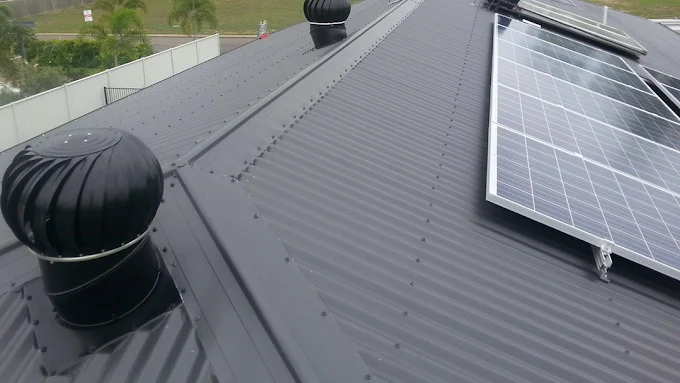
Corrugated iron is light and durable, but produces more echo when untreated. Colorbond, on the other hand, offers better sound control due to a pre-painted outer layer and denser structure. Many Sydney homes favour Colorbond because it performs better during storms. Our team often upgrades older corrugated roofs with Colorbond to improve both performance and comfort.
✔ Dimensions and Variants
Larger, flatter panels can produce louder noise if not supported well underneath. Profiled designs, like deep corrugations or standing seams, break up soundwaves and dampen echoes. At TomKat Roofing, we match sheet dimensions and designs to suit wind zones and area size. This makes your roofing system quiet, both in heavy rain and scorching sun.
Reducing Noise from Metal Roofs
Stopping your roof from becoming too loud doesn’t require a full rebuild-just smart additions and regular check-ups. From acoustic insulation to firming up fixings, there are several ways we can help reduce unwanted sounds. We always recommend personalised approaches suited to Sydney’s climate and your home structure.
✔ Acoustic Insulation Options
Soundproofing starts beneath the roof sheet. Adding thermal batts or specialised acoustic blankets softens sound dramatically. We often install roof sarking or foil-backed insulation beneath panels for added quiet. Acoustic underlays can sit between sheeting and decking to absorb vibration. Our roof replacement projects always include discussions on these options with our clients.
✔ Structural Fixes and Maintenance
Loose screws, shifting panels, or warped support rails can create loud and unpredictable sounds. Routine checks let us detect these early. We tighten, re-align and replace fasteners as needed. Maintenance prevents sheets from flexing in wind or heat, critical for roof lifespan and silence. If you’ve got a newly installed roof that’s noisy, a follow-up inspection can often find the issue easily.
Sourcing Materials and Noise-Friendly Options
Not all metal sheets are built the same. Different coatings, thicknesses, and suppliers affect performance. Sourcing the right materials through reliable suppliers makes a world of difference to noise levels. At TomKat Roofing, we work closely with trusted local providers for consistent, quality-controlled supplies.
✔ Understanding Material Quality
Some Colorbond roofing comes with extra noise reduction technology baked in. Other sheets may be made thinner or with less coating, creating louder reactions to wind. We always choose high-grade roofing with built-in acoustic balance. This way, clients get strong materials that hold up across Sydney’s changing weather conditions.
✔ Sourcing Sound-Treated Options
We help clients source specialised Colorbond sheets designed to reduce noise issues. Options include deeper profiles, thicker variants, and specifically treated corrugated iron. We rely on trusted vendors in Prestons and greater Sydney who provide these to us at scale. Each installation gets products that match both sound needs and budget.
FAQs
Is a metal roof noisy when it rains?
It can be, especially without insulation. But with proper sarking and underlays, that drumming can be softened radically.
Do metal roofs make noise in the sun or at night?
Yes. Roofs expand in the sun and contract at night, which causes ticking or popping. It’s a natural reaction to temperature.
What causes sudden popping in a roof?
Thermal movement is the main cause. Metal heats up, expands, shifts slightly, then contracts as it cools. That creates the noise.
How can you stop a metal roof from being loud?
Use acoustic insulation, secure all fixings, and check your roof regularly. We offer free inspections to assess noise triggers.
What are the disadvantages of metal roofs related to sound?
If poorly installed or left uninsulated, they can echo rain, wind and heat movements louder than tiled roofs. Professional setup changes that.
You Want Peace, Not Pings
You don’t want your ceiling sounding like a drum every time the rain comes down. And the good news is that it doesn’t have to. With the right materials and proper installation, you can have a roof that’s solid, strong and quiet.
Modern metal roofs, when fitted correctly, won’t keep you up at night. Insulation, fastening techniques and smart design all work together to create a roof that protects your home without the unwanted soundtrack.
At Tomkat Roofing, we install metal roofs built specifically for Sydney’s conditions — sound-controlled, storm-ready and completely worry-free.