Understanding the Australian standard for metal roofing installation is important for homeowners because compliance ensures a roof is safe, long-lasting, and installed correctly. This standard acts as the guideline contractors follow to make sure a roof can handle wind, weather, loads, and everyday conditions across the country. When you know what these rules involve, it becomes easier to choose the right installer and feel confident that your roof will pass inspections and perform as expected.
What Is Covered By The Standard?
The guidelines refer to a collection of requirements used by roofing specialists throughout Australia. The two most recognised documents are AS 1562.1, which covers the design and installation of sheet metal roofing, and AS 4040, which covers wind load testing. Roofers rely on these documents to ensure materials, fixings, flashings, slopes, drainage, and supporting structures meet strict safety and performance requirements.
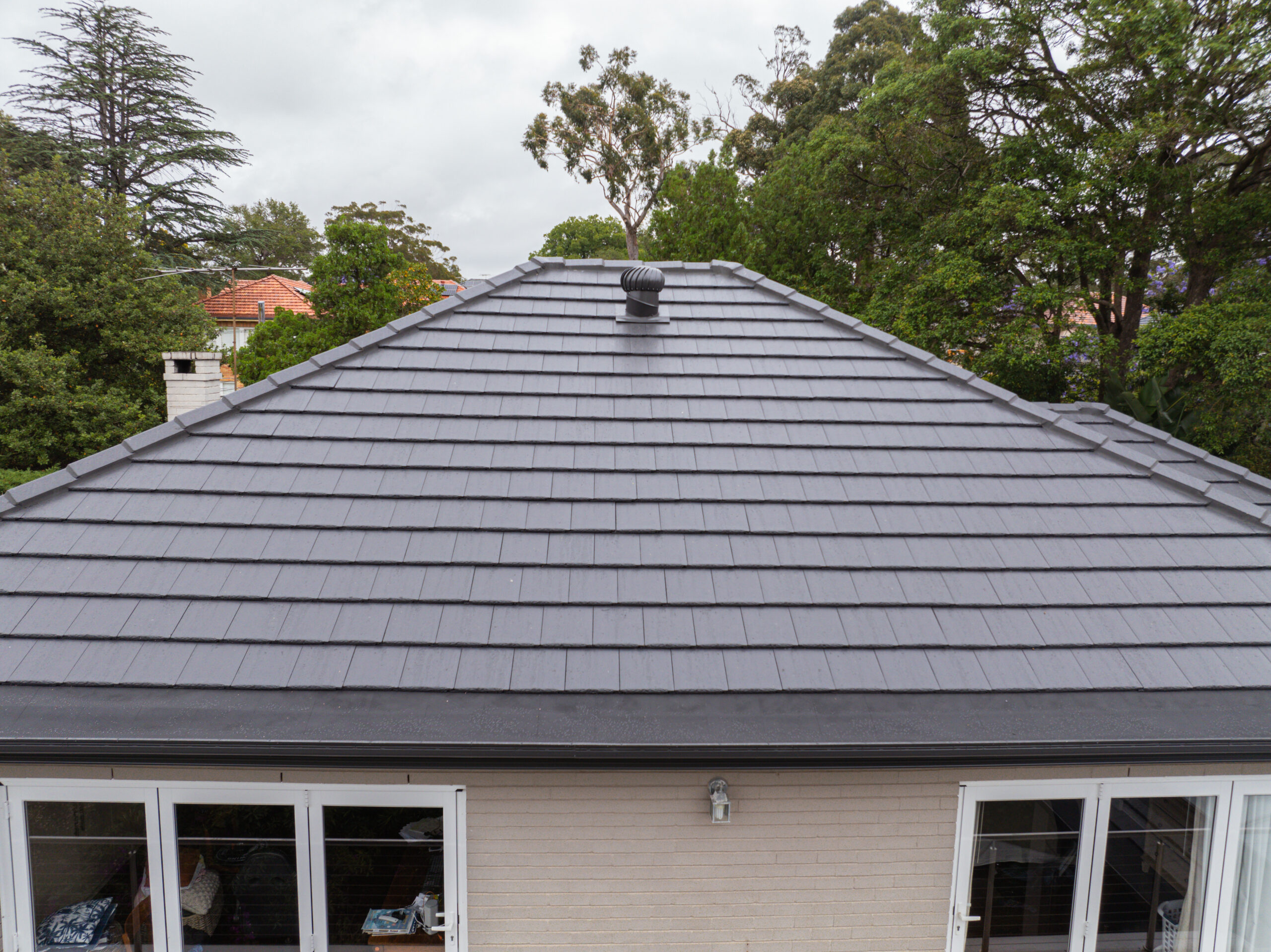
When a roof is installed according to best-practice standards, it should resist strong winds, prevent water ingress, sit firmly on the frame, and perform reliably for many years. This is particularly important across Sydney and coastal regions, where storms and heavy rain are regular concerns.
Roof Pitch And Alignment Requirements
One of the main details included in the standard is roof pitch. Each metal profile has a minimum pitch to allow water to drain effectively. If the pitch is too low, water may pool, increasing the risk of corrosion and leaks. The guidelines help installers match the correct pitch with the chosen metal sheets.
Alignment is also covered. Sheets must be installed straight, without gaps along laps, and with the correct overhang at the gutter edge to support proper water flow and reduce the chance of wind uplift.
Fixings And Fastener Placement Rules
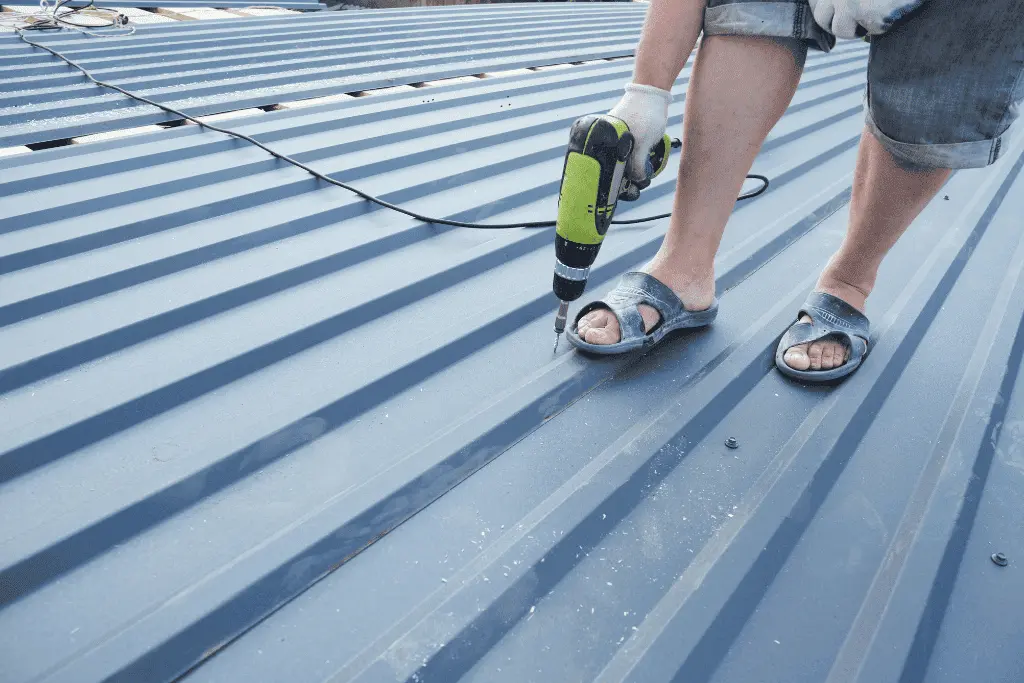
The documents outline how many fasteners are required, where they must be placed, and which type of screw is suitable for each metal profile. Using the correct fastener prevents sheets from loosening or rattling during storms. Incorrect placement can weaken the sheet and lead to early deterioration.
AS 1562.1 lists fastening patterns that installers must follow, including edge fastening, internal fastening, and requirements for areas with higher wind exposure, such as ridges, eaves, and corners.
Flashings And Waterproofing
Waterproofing rules help prevent leaks around chimneys, skylights, valleys, and roof penetrations. Flashings must be fitted tightly, sealed with approved products, and secured correctly. Roofs that do not meet these standards often show water marks or mould around vulnerable junctions.
📖 People also read about:
Valley gutters must also be sized properly to remove water quickly during heavy rain. While these details may seem minor, they significantly affect long-term performance.
Safety Requirements During Installation
Another major section of the guidelines focuses on on-site safety. Metal sheets can be slippery and have sharp edges, so installers must follow fall-prevention rules, use compliant ladders, and secure tools to prevent accidents.
For homeowners, this means choosing a roofing team that understands both installation and safety obligations. Proper safety measures reduce delays and improve the quality of the final outcome.
Thermal Expansion And Sheet Movement
Metal roofs expand and contract with temperature changes. The standard sets out allowances for this movement so that fixings do not break and sheets do not warp. This includes correct screw tension, slot spacing, and the use of expansion joints where needed.
📖 People also read about:
If these guidelines are ignored, the roof may generate noise, distort, or form small gaps that allow water or debris inside.
Wind Load And Structural Support
Wind ratings across Australia vary by region. The standard outlines how wind load testing is applied and what level of structural support is required to meet local conditions. Roofs in Sydney, for example, must withstand sudden gusts and heavy storm pressure.
This includes how battens and rafters should be spaced, how sheets must be fixed, and how edges should be reinforced.
Why Compliance Matters
A compliant roof performs better, lasts longer, and reduces the risk of leaks. Insurance companies often require that roofing work meet official standards, especially after storm damage. Non-compliant work may void warranties or create unexpected repair costs.
💡 Need help?
We offer professional roof installation to help you achieve your goals.
When hiring a roofing company, always ask whether their installers follow the correct standards and request written confirmation on the final paperwork.
Book a free inspection with Tomkat Roofing today and ensure your roof is installed with full compliance and professional care.
Frequently Asked Questions
What do the roofing standards cover?
They include design, installation, and testing requirements that ensure metal roofs remain safe, waterproof, and durable.
Do all installers follow them?
Qualified installers should follow the correct standards, but not all contractors do. Always confirm before hiring.
Why is roof pitch regulated?
Because pitch directly affects water flow. Proper angles reduce the risk of leaks and pooling.
Are specific screws required?
Yes. Different fixings, spacing, and placement rules apply to each roof zone.
Do repairs also need to comply?
Yes. Repair work should follow the same standards to maintain durability and overall compliance.