
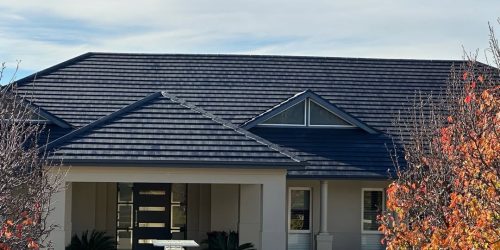
A professional storm damage inspection should check for compromised underlay, cracked or shifted tiles, loosened flashings, blocked or damaged gutters, water staining in the roof cavity, weakened fixings, and subtle structural movement that homeowners cannot see from the ground. After a Sydney storm, the visible damage is often only a fraction of what has actually occurred, which is why a thorough inspection by a qualified roofer matters so much for the long-term health of your home.
Sydney weather can be brutal on roofs. From the southerly busters that roll in during summer to the heavy autumn downpours and the occasional hailstorm, your roof copes with a lot. Most homeowners only call a roofer when they spot water dripping through the ceiling or notice a tile lying in the garden. By that stage, the damage has usually been building up for weeks or months.
Storm Just Been Through?
Most storm damage hides where you can’t see it. Our Sydney roofers check the underlay, flashings, fixings and cavity, not just what shows from the ground.
Why Hidden Damage Is Such a Problem
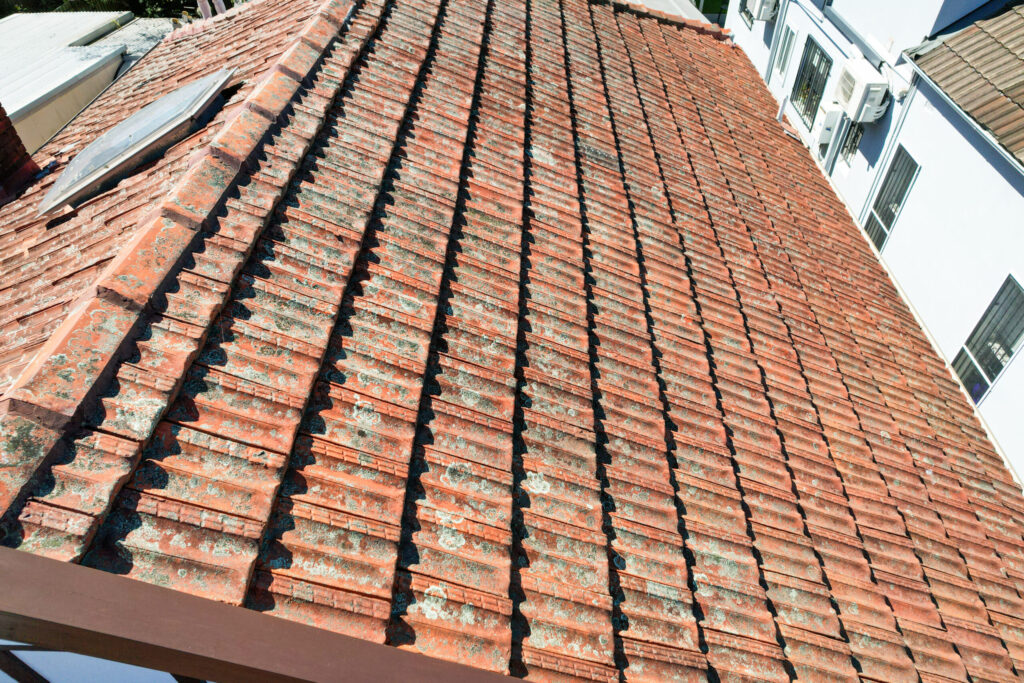
The trouble with storm damage is that water is sneaky. A single cracked tile or a small gap in flashing can let water trickle into your roof cavity, where it sits and causes slow rot, mould growth, and damage to insulation and timber framing. You might not notice anything inside the house for ages. By the time a stain appears on your ceiling, the timber above could already be soft.
Insurance claims also get complicated when damage goes undetected. Most policies require you to report storm damage within a certain window. If you miss issues during your initial assessment and only discover them six months later, your insurer may push back on covering the repairs.
If you’ve had a recent storm roll through your area and haven’t had your roof looked at yet, getting a no-obligation inspection from Tomkat Roofing is a sensible first step.
What a Proper Inspection Should Cover
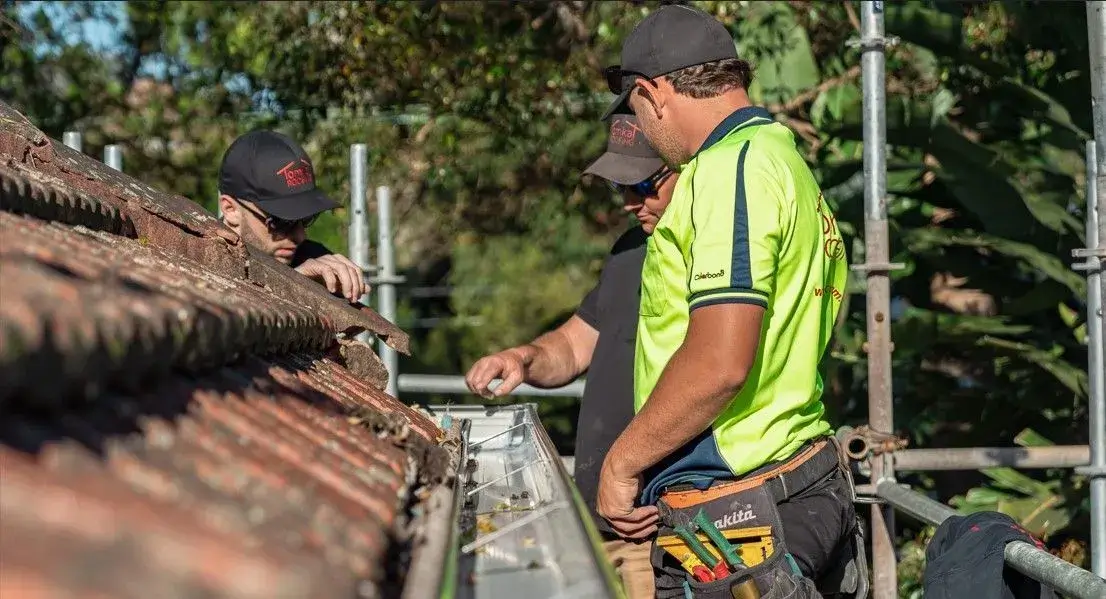
A good roofer doesn’t just walk around your property and peer up at the gutters. Here’s what should actually happen during a thorough storm damage inspection.
1. Tile and Ridge Cap Check
Every tile gets examined for cracks, chips, and movement. Ridge caps, those tiles running along the peak of your roof, take a beating in high winds. Mortar can crack or wash out, leaving caps loose. A proper inspection looks at each one individually rather than just spotting the obvious ones.
📖 People also read about:
2. Flashing Inspection
Flashings are the metal strips that seal joins around chimneys, skylights, vents, and roof valleys. They’re one of the most common entry points for water after a storm. Wind can lift them, hail can dent them, and over time the sealant around them breaks down. A roofer should check every flashing point, not just the easy-to-reach ones.
3. Gutter and Downpipe Assessment
Storms dump huge amounts of debris into gutters. Leaves, twigs, and even tiles can block the flow. A blocked gutter causes water to back up under the roof line, where it can rot the fascia and soak into the wall cavity. Downpipes need checking too, since a blockage anywhere along the system causes overflow.
4. Underlay and Sarking Examination
Beneath your tiles sits a layer of underlay or sarking that acts as a secondary waterproof barrier. After heavy storms, this layer can tear or pull away from its fixings. You can only see this by getting up onto the roof and lifting tiles in suspicious spots, or by inspecting from inside the roof cavity.
5. Roof Cavity Inspection
This is the bit many roofers skip. Getting inside the roof space with a torch reveals so much. Water stains on rafters, damp insulation, daylight visible through gaps, droppings or nesting material from animals that have got in through new holes – all of this tells the real story of what your roof has been through.
📖 People also read about:
Want a roofer who actually checks all of this properly? Have a chat with the team at Tomkat Roofing about what’s involved in their inspection process.
6. Structural Movement Signs
Severe storms can cause subtle shifts in roof framing. Sagging sections, cracked rafters, or separated joints are warning signs that need attention. These issues affect your roof’s ability to handle the next storm, and they tend to get worse if left alone.
💡 Need help?
We offer professional roof inspection sydney to help you achieve your goals.
7. Skylights, Vents, and Penetrations
Anywhere something pokes through your roof is a weak point. Skylights can develop seal failures, whirlybirds can come loose, and TV antenna mounts can tear at their fixings. Each penetration needs individual attention.
What to Do If You Suspect Damage
Don’t climb up there yourself. Sydney roofs are steeper and more dangerous than they look, and wet or storm-damaged surfaces are even worse. Document what you can see from the ground with photos, note the date of the storm, and get a qualified roofer out as soon as possible.
If you’re in Sydney and need someone to take a proper look at your roof after a storm, book your professional storm damage inspection with Tomkat Roofing today and get clear answers about what your roof actually needs.
Frequently Asked Questions
How soon after a storm should I get my roof inspected?
Within a week if possible. The sooner damage is found, the easier it is to prevent secondary issues like rot and mould, and the more straightforward any insurance claim becomes.
Will my home insurance cover storm damage repairs?
Most home insurance policies in Australia cover storm damage, but coverage varies. Get an inspection report from a licensed roofer, take photos, and contact your insurer promptly to start the claims process.
Can I tell if my roof has hidden damage from inside the house?
Sometimes. Look for water stains on ceilings, peeling paint, musty smells in upstairs rooms, or daylight visible from the roof cavity. However, plenty of damage shows no internal signs at all for months.
How long does a storm damage inspection take?
A thorough inspection usually takes between one and two hours, depending on the size and complexity of your roof. This includes time spent on the roof, in the cavity, and writing up findings.
What if my roof looks fine from the ground?
Visual checks from ground level miss the vast majority of storm damage. Cracked tiles, lifted flashings, and underlay tears are almost impossible to spot without getting up close.
Find the Hidden Damage Before It Spreads
A thorough inspection and written report catch the damage insurers need documented. Our team checks every hidden failure point and quotes any repairs.