
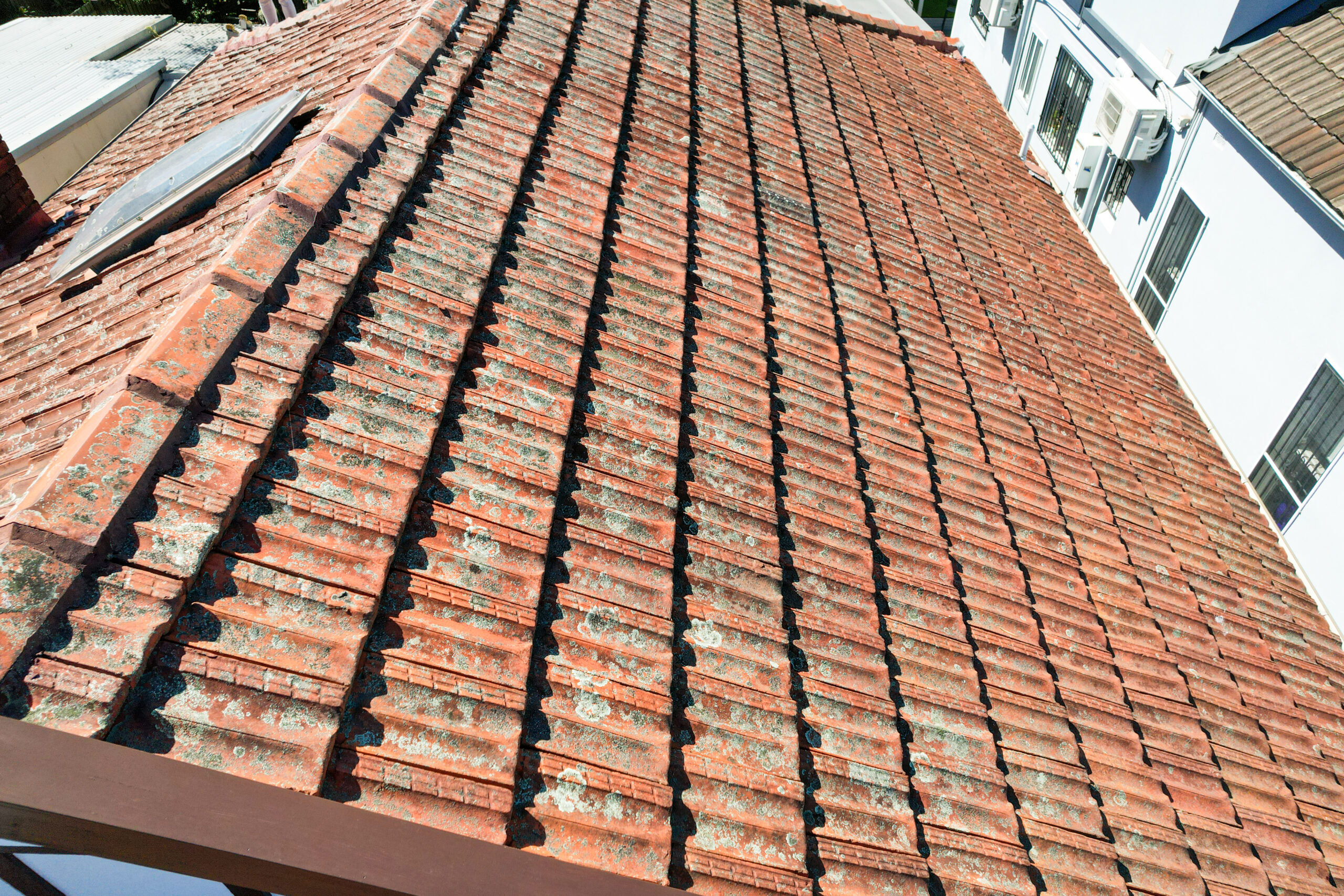
You can spot early tile roof failure without ever touching a ladder by checking for slipped or cracked tiles, dark staining on the roofline, sagging sections, crumbling mortar at the ridge capping, and debris like sand or grit washing into your gutters. A solid pair of binoculars and a slow walk around your property is all most Sydney homeowners need to catch problems before they turn into water damage inside the house.
Tiles Looking Tired?
Slipped tiles, crumbling mortar and dark staining only get worse. Our Sydney team can check your tile roof from top to bottom and tell you exactly where it stands.
Tile roofs are built to last, but Sydney’s mix of salty coastal air, harsh summer sun, sudden southerly busters, and the odd hailstorm puts them through a lot. Picking up on the warning signs early means smaller repair bills and less stress. Here’s what to look for from the safety of your driveway or backyard.
Start With a Slow Walk Around the House
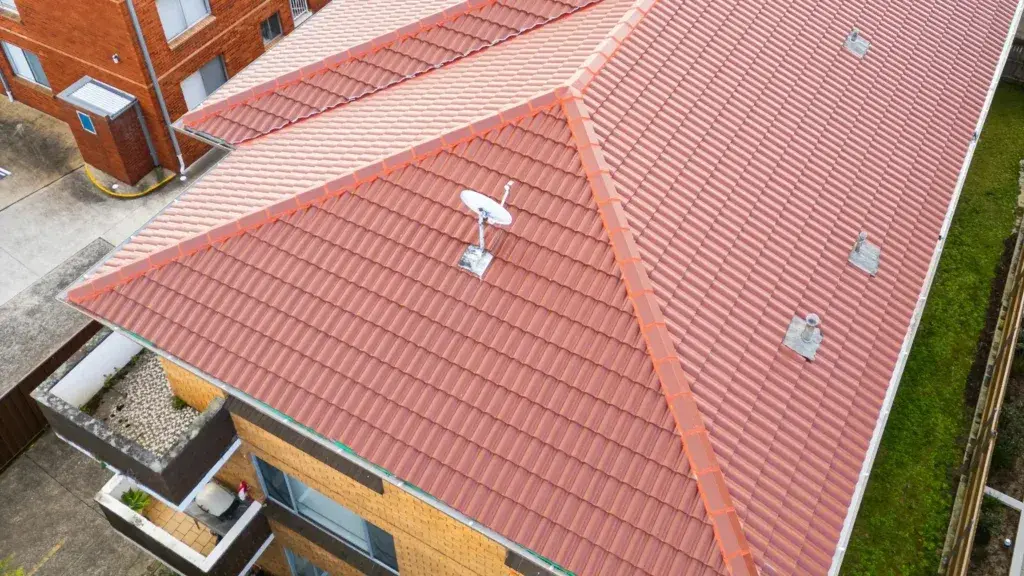
Before you reach for anything fancy, do a full lap of your property. Stand back far enough to see the whole roof at once. You’re looking for anything that breaks the pattern of neat, evenly spaced tiles.
Dips or sagging sections are a red flag. A healthy tile roof should run in straight, parallel lines from ridge to gutter. If you notice a low spot or a wavy section, the timber battens or rafters underneath may have rotted or shifted. This is common in older homes across the Inner West and Northern Beaches where roof framing has been exposed to decades of moisture.
Take photos from each side of the house on your phone. Comparing them every six months gives you a record of any movement.
Not sure what you’re seeing up there? The team at Tomkat Roofing offers free roof health checks across Sydney and can give you a straight answer without the upsell.
Grab the Binoculars and Look for These Five Things
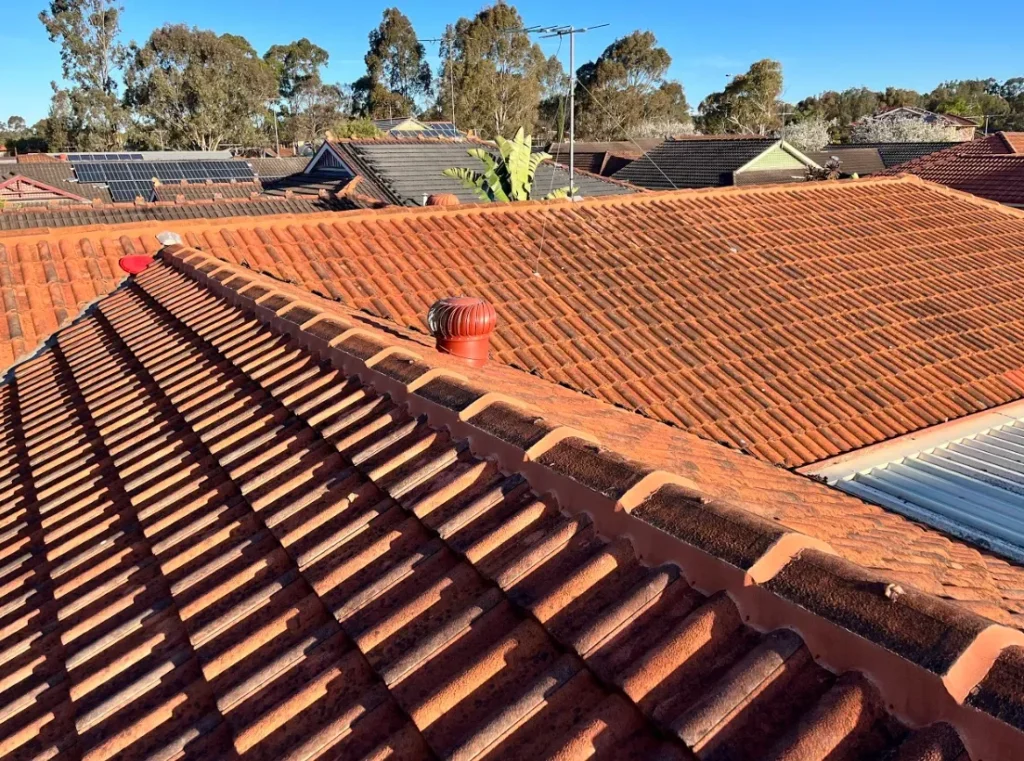
Binoculars turn a ground inspection into something genuinely useful. Here’s your checklist:
1. Slipped or missing tiles
Even one tile out of place exposes the sarking and battens to rain. Look for dark gaps in the tile pattern or tiles sitting at odd angles.
📖 People also read about:
2. Cracked or chipped tiles
Hairline cracks are hard to see from the ground, but broken corners and chunks missing from edges show up clearly. Hail damage often appears as small circular marks scattered across one slope.
3. Discoloured or stained tiles
Black streaks usually mean algae or lichen growth, which holds moisture against the tile surface and speeds up wear. Rust-coloured stains near valleys can point to corroded flashings underneath.
4. Moss build-up
A bit of moss looks charming on an old Federation home, but thick clumps lift tiles, trap water, and eventually crack the surface. South-facing slopes in shaded suburbs like Mosman or Killara are prone to it.
5. Crumbling ridge capping
The mortar holding the ridge tiles in place is one of the first things to fail. Look along the peak of the roof for white powdery residue, cracks, or visible gaps between capping tiles. Loose ridge caps in a strong wind are a real hazard.
📖 People also read about:
Check the Gutters Without Going Up
You can learn a lot about a roof by looking inside the gutters from a step ladder propped against the house at ground level, or even by checking the downpipe outlet at the bottom.
Find sand, grit, or small chips of tile in the gutter or splashing out of the downpipe during rain? That’s the protective surface of your tiles breaking down. Concrete tiles, in particular, shed their coating as they age, and once that surface goes, the tile underneath absorbs water like a sponge.
Sagging gutters can also signal a heavier-than-normal load from waterlogged tiles or trapped debris. If your gutters are pulling away from the fascia, something further up is usually the cause.
💡 Need help?
We offer professional tile roof repairs sydney to help you achieve your goals.
Inspect the Ceiling From Inside
Don’t forget the easiest inspection of all. Walk through every room and look up at the ceilings, especially after heavy rain.
Yellow or brown patches, bubbling paint, or a musty smell in a cupboard against an external wall all point to water getting in somewhere above. Pop your head into the roof cavity through the manhole if you can do it safely. Daylight where there shouldn’t be any is the clearest sign of a failing tile or flashing.
When to Call in a Professional
Some signs need a closer look from someone who knows what they’re doing. Book an expert inspection if you spot any of these:
1. Multiple slipped or cracked tiles across one slope
2. Visible sagging in the roof line
3. Water stains spreading on internal ceilings
4. Mortar falling from the ridge capping
5. A roof more than 20 years old that has never been checked
Get a free, no-obligation inspection from Tomkat Roofing today and find out exactly where your roof stands. Call now or book online.
Frequently Asked Questions
How often should a tile roof be inspected in Sydney?
Every 2 to 3 years is a sensible schedule for most homes, or after any major storm. Older roofs and those near the coast benefit from yearly checks because salt air accelerates wear on metal flashings and mortar.
Can I just replace a few tiles instead of the whole roof?
Yes, in many cases. If the underlying battens, sarking, and framing are sound, swapping out cracked or slipped tiles and re-pointing the ridge capping can add another 10 to 15 years to your roof’s life.
What's the difference between concrete and terracotta tile failure?
Concrete tiles lose their surface coating and start absorbing water, while terracotta tiles tend to crack or chip but don’t break down chemically. Terracotta usually lasts longer overall, but both need their bedding and pointing maintained.
Is moss really that bad for a tile roof?
Yes. Moss holds moisture against the tile, encourages cracking through freeze-thaw cycles in cooler months, and lifts tile edges over time. A soft wash and treatment by a roofing professional is the safest way to remove it.
Will my home insurance cover early tile roof failure?
Most policies cover sudden damage from storms or hail but not gradual wear and tear. Keeping a record of regular inspections helps if you ever need to make a claim.
Catch Tile Trouble Early
A quick professional check now beats a leaking ceiling later. Our team spots the small stuff before it turns into a big repair.