
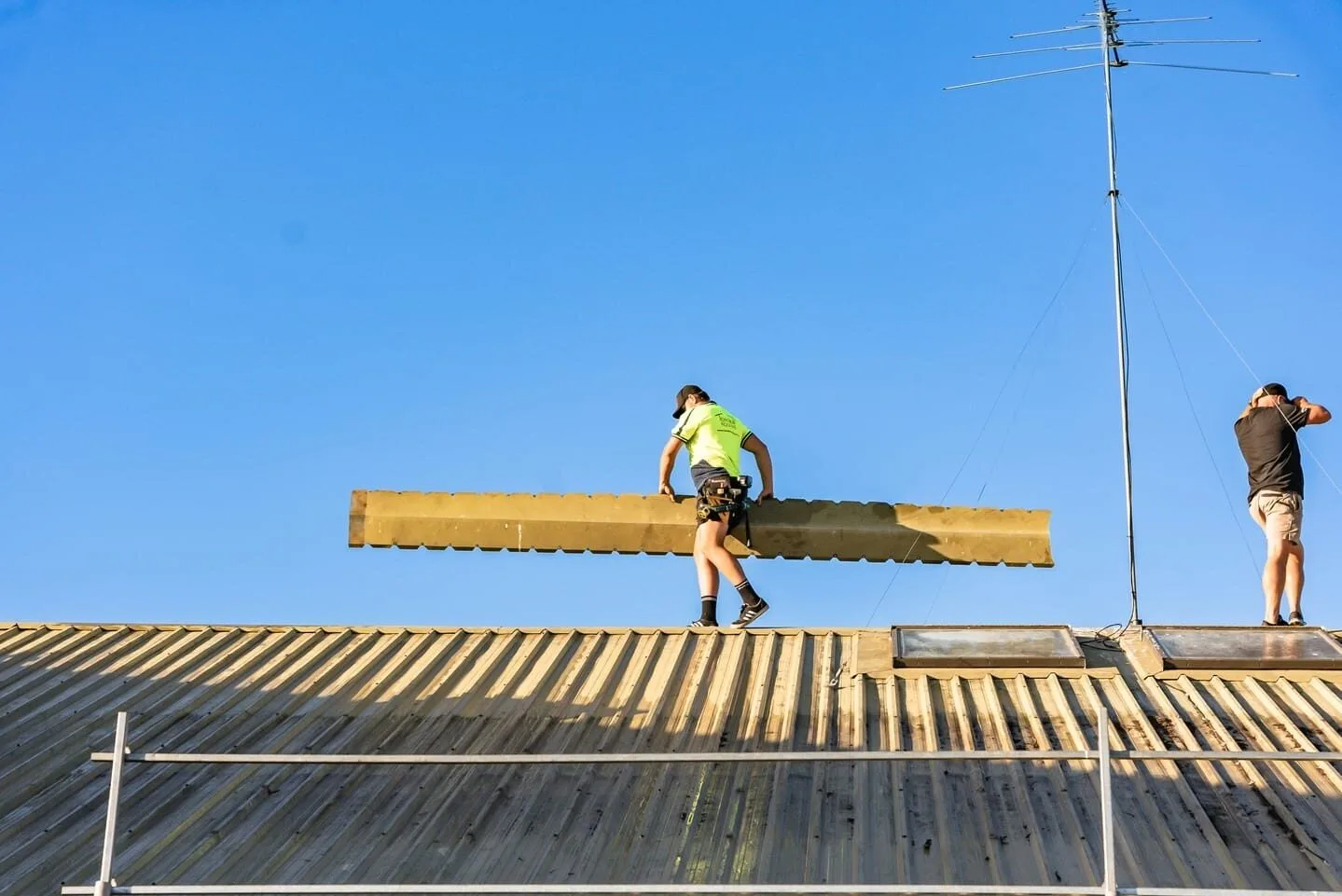
Preparing your Sydney home for a roof replacement comes down to five practical steps: clear the driveway and side access for tradies and skip bins, cover or relocate outdoor furniture and BBQs, secure loose items in the roof cavity and attic, remove fragile wall hangings inside the house, and notify your neighbours before work begins. Get these sorted a day or two before the crew arrives and the job runs smoothly from start to finish.
Getting Ready to Re-Roof?
A bit of prep before the crew arrives makes the whole job smoother. Our Sydney team walks you through exactly what to sort out so replacement day runs without a hitch.
Replacing a roof is a big project, but it does not have to disrupt your whole household. A bit of planning goes a long way, especially in Sydney where weather, council requirements, and tight suburban blocks can throw curveballs at any job. Here is what experienced homeowners do to set themselves up for a hassle-free replacement.
Sort Out Site Access Early
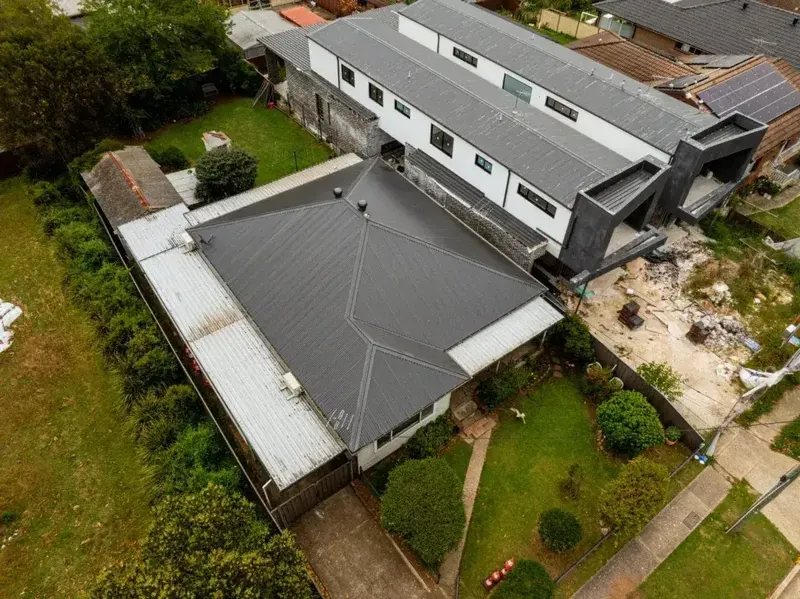
The biggest delay on most roofing jobs is poor site access. Roofers need room for a truck, sometimes a skip bin, a tile lift or crane, and space to load and unload materials safely.
Walk around your property and check the following:
1. Is your driveway clear of cars, bikes, bins, and garden pots?
2. Can a truck reverse in without scraping low-hanging branches?
3. Is there a side gate wide enough for materials and waste removal?
4. Are there overhead power lines that might affect a crane or lift?
If you live on a narrow street in places like Marrickville, Balmain, or parts of the Inner West, talk to your roofer about parking permits or temporary no-stopping zones. Your local council can usually arrange these with a few days’ notice.
📖 People also read about:
Need a hand assessing your property before the job starts? The team at Tomkat Roofing can do a free site visit to flag any access issues before they become a problem.
Protect Outdoor Furniture, Plants, and Pools
A roof replacement is a messy business. Old tiles, nails, sarking offcuts, and dust will come down whether you like it or not. Anything within about three metres of the house should be moved, covered, or both.
Pay particular attention to:
1. Outdoor lounges, dining settings, and umbrellas
2. BBQs, pizza ovens, and outdoor kitchens
3. Pot plants, garden beds with delicate seedlings, and water features
4. Solar panels (your roofer should coordinate with your solar installer if panels need temporary removal)
5. Swimming pools and spas (cover them with a tarp or pool blanket)
Air conditioning condenser units sitting beside the house
For pools especially, a few stray nails or tile fragments can damage the lining or the filtration system. Spend ten minutes covering it properly and you will save yourself a costly repair down the track.
Clear the Roof Cavity and Top Floor
This step catches a lot of homeowners off guard. When old roofing comes off, dust and small debris inevitably fall through the ceiling battens into your roof cavity. If you store anything up there, move it.
Boxes of Christmas decorations, old photo albums, sporting gear, suitcases, anything sentimental or valuable should come down or be wrapped in heavy-duty plastic. Some homeowners use builders’ film and gaffer tape to seal items in place.
📖 People also read about:
Inside the top floor of your home, vibrations from nail guns and hammering can shake walls more than you would expect. Take down framed photos, mirrors, and anything hanging on a single hook. Remove fine glassware and ceramics from shelves directly below the ceiling. If you have a chandelier or pendant light, consider bagging it in a plastic sleeve for the duration of the works.
Talk to Your Neighbours
Sydney is a friendly place, but a few days of hammering, sawing, and crew banter can test even the best neighbourly relationships. A quick door-knock the week before the job starts works wonders.
Let them know:
1. The expected start and finish dates
2. Approximate working hours (most Sydney councils allow 7am to 5pm Monday to Friday and 8am to 1pm Saturday)
3. Whether any of their property will be affected, such as shared fences or driveways
4. A contact number in case of urgent issues
A small gesture like a six-pack or a box of biscuits goes a long way. Neighbours who feel respected are far less likely to ring the council with a noise complaint.
Plan for Daily Life During the Works
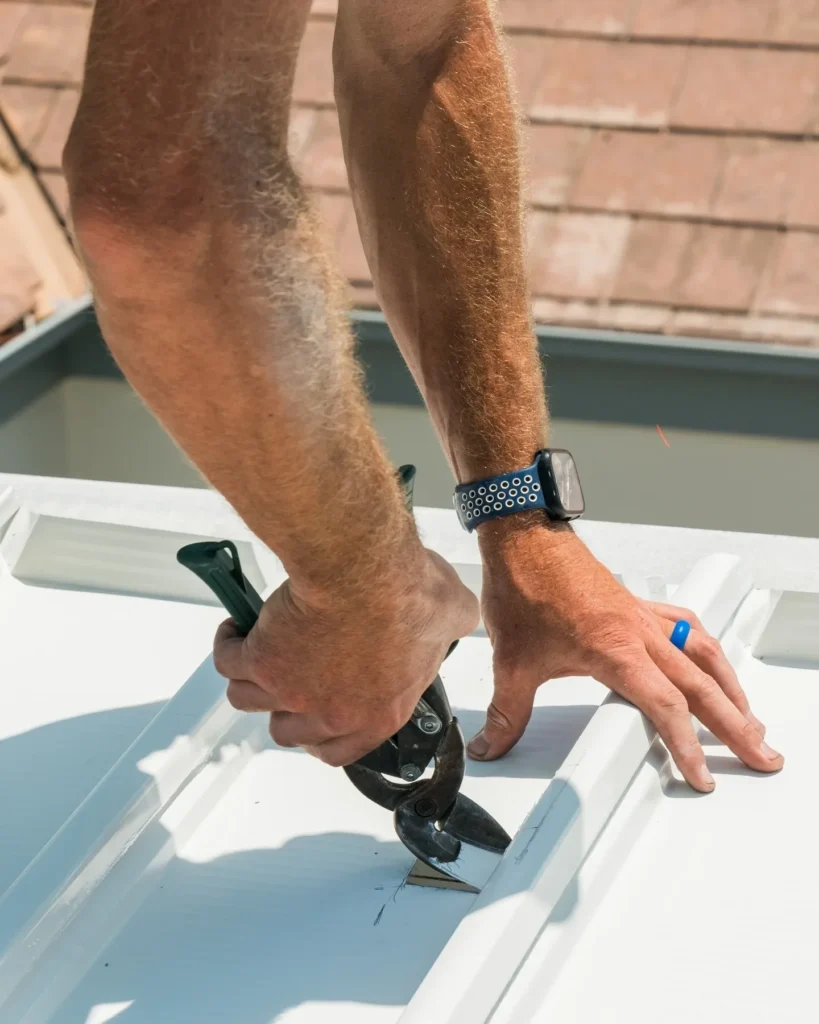
Most roof replacements on a standard Sydney home take between three and seven working days, depending on the size, pitch, and material. During that time, expect:
- Loud noise from 7am onwards
- Limited access to your driveway and possibly your garage
- Dust on every horizontal surface, even with doors and windows shut
- Occasional power interruptions if the crew needs to work near service lines
If you work from home, consider booking a co-working space or planning to work from a café for the noisiest days. Families with young children, shift workers, or anyone sensitive to noise might want to organise a few days away.
💡 Need help?
We offer professional roof repair casula to help you achieve your goals.
Keep pets indoors or arrange boarding. Even calm dogs get spooked by sudden bangs from above, and cats are likely to bolt the moment a sheet of metal lands in the yard.
Not sure how long your specific roof will take? Get in touch with Tomkat Roofing for a clear, no-pressure timeline based on your home’s size and condition.
Final Checks the Day Before
Run through this short list the evening before your crew arrives:
1. Cars moved off the driveway and onto the street
2. Side gates unlocked and any padlocks removed
3. Outdoor items covered, secured, or relocated
4. Roof cavity belongings boxed up or wrapped
5. Internal walls cleared of fragile items
6. Neighbours notified
7. Pets sorted
8. Easy access to power and water for the crew (an outdoor tap and external power point if possible)
Ready to Get Your Roof Sorted?
A well-prepared site means a faster job, a cleaner finish, and a lot less stress for everyone involved. If you are planning a roof replacement in Sydney, get a proper quote from a licensed local roofer who will walk you through every step.
Call Tomkat Roofing today or book a free on-site inspection through our website. We handle Sydney roof replacements end to end, from the first quote to the final clean-up, so you can get on with your life.
Frequently Asked Questions
How long does a roof replacement take on an average Sydney home?
For a standard three or four bedroom home, expect three to seven working days. Larger or more complex roofs with multiple gables, dormers, or steep pitches can take up to two weeks. Weather can also add a day or two, particularly during Sydney’s wetter months from March to June.
Do I need to move out during the job?
No, most homeowners stay put. The crew works outside and your home remains liveable throughout. That said, if you work from home, have shift workers in the household, or have young kids who nap during the day, a short stay away from home can make life easier.
Will my insurance cover any damage during the works?
A licensed and insured roofer carries public liability cover for any accidental damage to your property. Always check that your roofer has current insurance before signing a contract. Your own home and contents insurance generally remains active during the works, but it is worth ringing your insurer to confirm.
Can a roof replacement be done in winter or during the rainy season?
Yes, roofers work year-round in Sydney. Crews use temporary waterproof coverings at the end of each day so your home stays dry even if it rains overnight. Some homeowners actually prefer winter jobs because tradies are less booked up and lead times are shorter.
What happens to the old roofing material?
A reputable roofer will remove and dispose of all old materials. Tiles, metal sheets, and sarking are sorted for recycling where possible. You should not have to lift a finger or pay extra for waste removal, but always confirm this is included in your quote before you sign anything.
Roof Replacement Done Right
Clear communication, tidy job sites and a fixed scope from day one. Our team keeps your replacement on track from first quote to final clean-up.