
After a hailstorm tears through Sydney, most homeowners head straight outside to check the car and the garden. The roof tends to get overlooked until a water stain appears on the ceiling or a leak shows up during the next downpour. By that point, what could have been a straightforward repair has often become something far more involved.
Worried About Hail Damage?
Hail damage often hides until the next downpour finds it. Our Sydney team can check your roof properly and catch the cracks and dents before they turn into leaks.
Over the years, our team at Tomkat Roofing has inspected hundreds of Sydney roofs following storm events, and the story is almost always the same: the damage was there early, it just was not spotted in time. Here is what to look for before small issues turn into costly ones.
Why Sydney Roofs Are Particularly at Risk
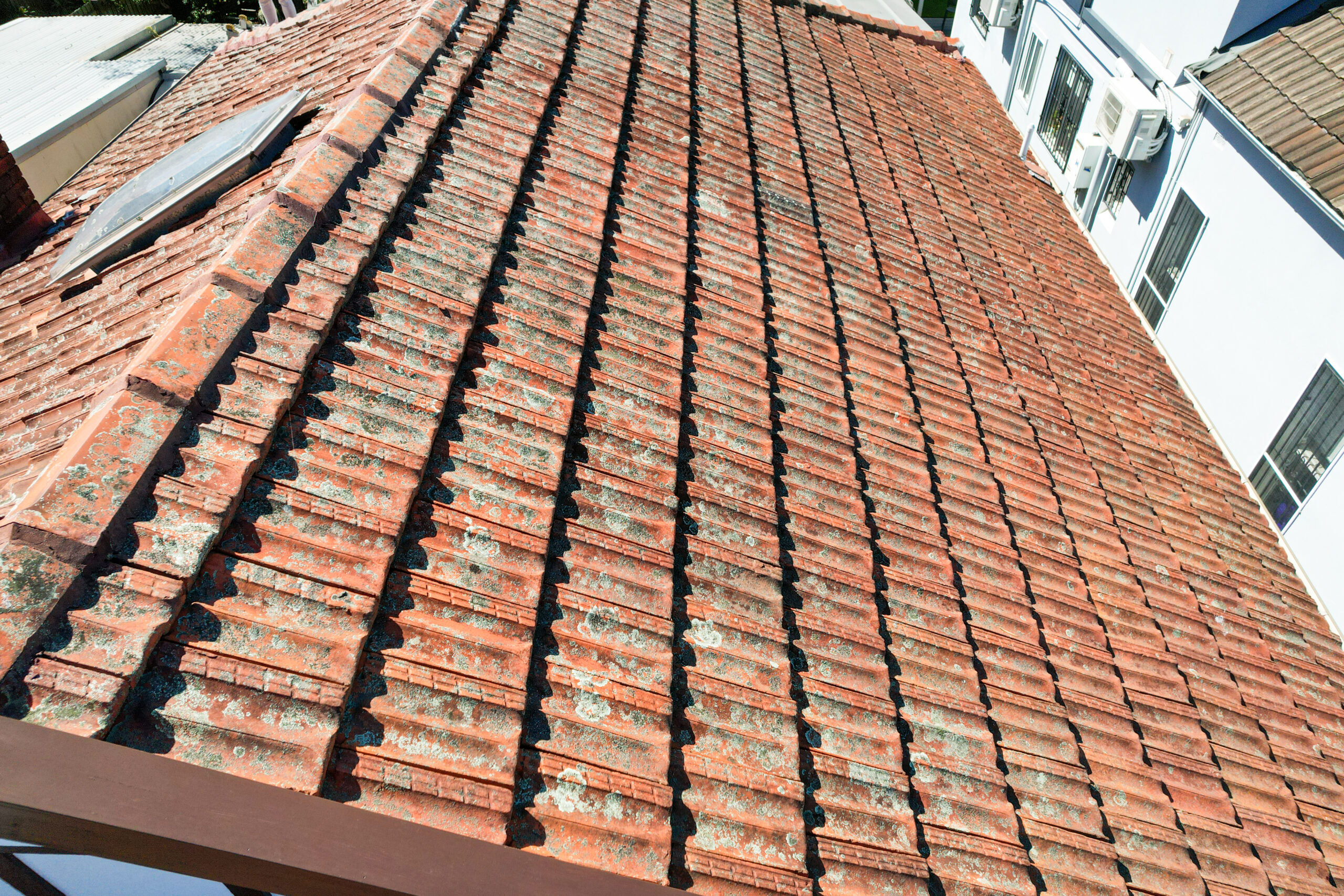
Sydney sits in one of Australia’s most active hail corridors, with significant storms regularly tracking across the Western Suburbs, Hills District and South West. Hailstones can be large enough to crack tiles, puncture Colorbond sheeting and bend guttering within minutes. What makes this tricky is that the damage is rarely obvious at first glance. A roof that looks fine from the street can have compromised ridge capping, cracked tiles or dented flashings that only reveal themselves when rain follows a few days later.
Start Your Inspection on the Ground
You do not need to climb onto the roof to get a useful first read of the situation. Walk around the perimeter of your home and look up at angles where natural light hits the roof surface. Hailstones leave distinct circular impact marks, and you can often spot dents, cracked tiles or misaligned ridge capping from the ground using a pair of binoculars.
Also scan the property for hailstones that have settled in corners or garden beds, and check outdoor furniture, your air conditioning unit and your fence. If the hail was large enough to mark metal patio furniture, it was almost certainly large enough to have affected your roof.
Check Your Gutters and Downpipes First

Your gutters are often the first place visible evidence shows up after a hail event. Walk along the side of your home and look for:
1. Visible dents or dings along the gutter runs and downpipes
2. Cracked or separated gutter joins
3. A build-up of granules or coating residue sitting in the gutter tray, particularly on older painted tile roofs
4. Bent, detached or visibly shifted downpipes
Damaged gutters can push water towards your foundations rather than away from them, so do not treat this as a cosmetic issue.
Signs of Damage Differ by Roof Type
Sydney homes are predominantly roofed with either concrete or terracotta tiles, or Colorbond steel sheeting, and each material reacts differently to hail impact.
Tile roofs are prone to cracking, chipping and spalling, particularly around ridges and edges. In our experience, ridge capping is the most commonly missed area after a hail event because it sits out of sight and is easy to overlook from the ground. Hairline fractures across tiles may appear minor but can allow water into the roof cavity over time.
📖 People also read about:
Colorbond and metal roofs typically show damage as circular dents or small punctures across the sheeting. While Colorbond is a durable material, compromised surface coating left unattended can accelerate corrosion, particularly in areas that retain moisture. Look for dimpled panels or sections where the paint has cracked or lifted along the ridgeline.
If you notice any of these signs, Tomkat Roofing’s storm damage roof repair service covers everything from the initial assessment through to full restoration, with before and after photos provided as standard.
Do Not Overlook These Roof Features
A few commonly missed areas deserve close attention after a hailstorm:
1. Skylights: Check for cracked or shattered glass both from the outside and from the room below.
2. Roof vents: Lightweight metal vents dent easily and can be knocked loose, creating openings where water can get in.
📖 People also read about:
3. Flashing: The metal strips around chimneys, valleys and penetrations can be bent or dislodged by hail, breaking the watertight seal.
These are small components, but they are responsible for keeping water out of areas that are expensive to repair once moisture gets in.
Also Check Inside Your Home
If it is safe to access your roof cavity, bring a torch and look for damp insulation, water staining on the timber structure or any spots where daylight is visible. Even minor cracks or punctures can allow moisture to build up over time, leading to mould growth and structural issues that go well beyond the roof itself.
💡 Need help?
We offer professional storm damage roof repair sydney to help you achieve your goals.
What to Do After You Find Damage
Take clear photos of anything you spot and note the date and details of the storm. This documentation is useful when lodging a home insurance claim, and most Australian policies cover storm and hail events. Acting quickly matters, as insurers expect homeowners to take reasonable steps to prevent further damage after an event.
Do not attempt to walk on the roof without proper safety training and equipment. A licensed roofer can carry out a thorough, safe assessment and give you an honest, itemised quote with no pressure.
At Tomkat Roofing, our licensed Sydney team provides free roof inspections with detailed photo reports, so you always know exactly what you are dealing with. Get in touch today to book your post-storm inspection and get your home protected before the next storm rolls through.
Frequently Asked Questions
How do I know if hail has damaged my roof?
Look for cracked, chipped or bruised tiles, dented ridge capping and metal, dislodged granules from valleys and gutters, and any fresh marks that were not there before. A ground-level check with binoculars is a safe start.
Can hail damage be invisible at first?
Yes. Hairline cracks and bruising often do not leak straight away but weaken the roof, so the problem only shows up weeks later during heavy rain. That is why a proper inspection matters.
Do different roof types show hail damage differently?
They do. Tiles crack or chip, metal roofs dent and lose coating, and Colorbond can show bruising along ridges. Each needs a slightly different eye during inspection.
Should I check inside the house too?
Yes. Water stains on ceilings, damp in the roof cavity, and daylight showing through the roof are all signs hail has broken through. Interior checks often reveal what the ground view misses.
What should I do after finding hail damage?
Photograph everything, avoid climbing on the roof, and get a licensed roofer to inspect and document it. Prompt action protects both your home and your insurance claim.
Catch Hail Damage Early
Small cracks and bruised tiles only get worse. Our team spots hail damage, documents it for your claim, and sorts the repair.