

You’ve spotted a crack in your roof tile. Now comes the question every Sydney homeowner asks: is this something minor, or the start of a bigger problem?
Spotted a Cracked Tile?
Some cracks are cosmetic, others let water straight in. Our Sydney team can tell the difference and stop a small crack becoming a leak in the next storm.
Not all cracks are created equal. Some are surface-level and cosmetic, while others signal damage that could let water into your home during the next storm. Understanding the difference between hairline cracks and structural cracks can save you thousands in repair costs and protect your home from hidden water damage.
What Are Hairline Cracks in Roof Tiles?
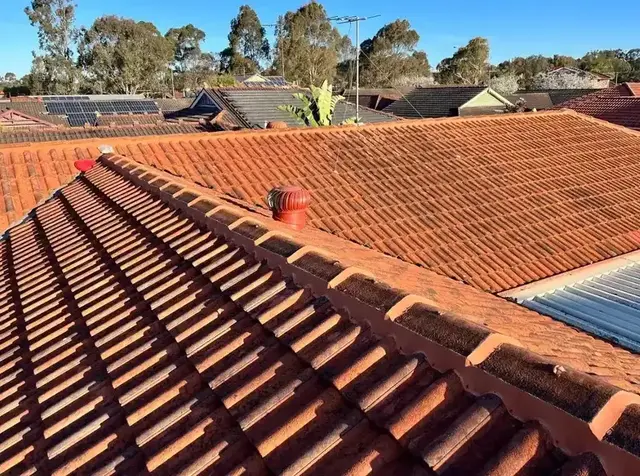
Hairline cracks are thin, surface-level fractures that typically measure less than 1mm wide. These minor cracks often appear on concrete or terracotta roof tiles as a natural result of age, thermal expansion, or minor settling.
Common characteristics of hairline cracks:
1. Very narrow (thinner than a toothpick)
2. Usually appear on the surface only
3. Don’t extend through the full thickness of the tile
4. Rarely allow water penetration on their own
5. Often caused by UV exposure or temperature changes
In Sydney’s climate, where roof tiles experience extreme temperature swings, these tiny stress fractures are fairly common. From our inspections across Sydney’s suburbs, we’ve found that most hairline cracks don’t pose an immediate threat, though they’re worth monitoring during your regular roof checks.
What Are Structural Cracks in Roof Tiles?
Structural cracks are a different story. These are deeper, wider fractures that compromise the tile’s integrity and its ability to keep water out. When you’re dealing with structural damage, water can seep through into the roof cavity, sarking, and eventually your ceiling.
Key signs of structural cracks:
✓ Width greater than 3mm (about the thickness of a match)
✓ Cracks that go completely through the tile
✓ Visible gaps where water could enter
✓ Multiple tiles cracking in the same area
✓ Tiles that are loose, displaced, or broken into pieces
✓ Cracks accompanied by water stains inside the home
These roof tile crack types require urgent attention. We’ve responded to countless emergency calls where one structurally cracked tile allowed litres of water into roof spaces during heavy rain, leading to mould, timber rot, and expensive roof repairs in Sydney.
How Sydney’s Weather Affects Roof Tile Crack Types
Sydney’s coastal climate puts unique stress on roof tiles. The combination of intense UV exposure, salt air, temperature extremes, and sudden storms accelerates tile deterioration.
📖 People also read about:
Thermal cycling is particularly harsh here. Your roof tiles expand in the scorching summer heat, then contract when afternoon storms bring rapid cooling. Over the years we’ve worked in Sydney, we’ve noticed that tiles on north-facing roofs and those in western suburbs tend to develop stress cracks faster due to prolonged heat exposure.
Older concrete tiles from the 1980s and 90s are especially vulnerable. Many were manufactured before modern quality standards and can become brittle after decades of exposure.
When Should You Worry About Cracked Roof Tiles?
Not every crack demands immediate action, but certain warning signs mean it’s time to call in professionals. Here’s what we look for during inspections:
Act quickly if you notice:
1. Water stains on your ceiling or walls
2. Multiple cracked tiles in one section
3. Tiles that have shifted or come loose
4. Cracks wider than 3mm
5. Moss or mould growth beneath tiles
6. Dampness or musty smells in your roof space
7. Debris or tile fragments in your gutters
Even minor cracks can worsen rapidly. What starts as a hairline fracture can split wide open during the next heatwave, especially if water has been seeping in and freezing overnight during winter.
Can You Prevent Roof Tile Cracks?
While you can’t stop natural wear and tear, regular maintenance significantly reduces the risk of serious damage. After two decades of roof work across Sydney, we’ve seen how proper care extends tile lifespan considerably.
Preventive measures:
✓ Schedule professional roof inspections every 12-18 months
✓ Keep gutters and valleys clear of debris
✓ Trim overhanging branches that could fall during storms
✓ Avoid walking on your roof (foot traffic commonly cracks tiles)
✓ Address small repairs before they become big problems
Sydney homeowners who invest in preventive care typically avoid the costly emergency repairs that come from neglected cracks.
📖 People also read about:
Professional Inspection: The Smart First Step
Unless you have roofing experience and proper safety equipment, inspecting roof damage yourself is risky. Walking on tiles without knowing where to step can actually create more cracks than you started with.
A professional roof inspection provides safe assessment of all visible damage, identification of hidden issues not visible from the ground, clear documentation with photos, and honest advice on whether tiles need repair or replacement. At Tomkat Roofing, our licensed team has inspected thousands of Sydney roofs and we identify exactly which roof tile crack types you’re dealing with, then recommend the most cost-effective solution.
Repair vs Replace: What’s the Right Choice?
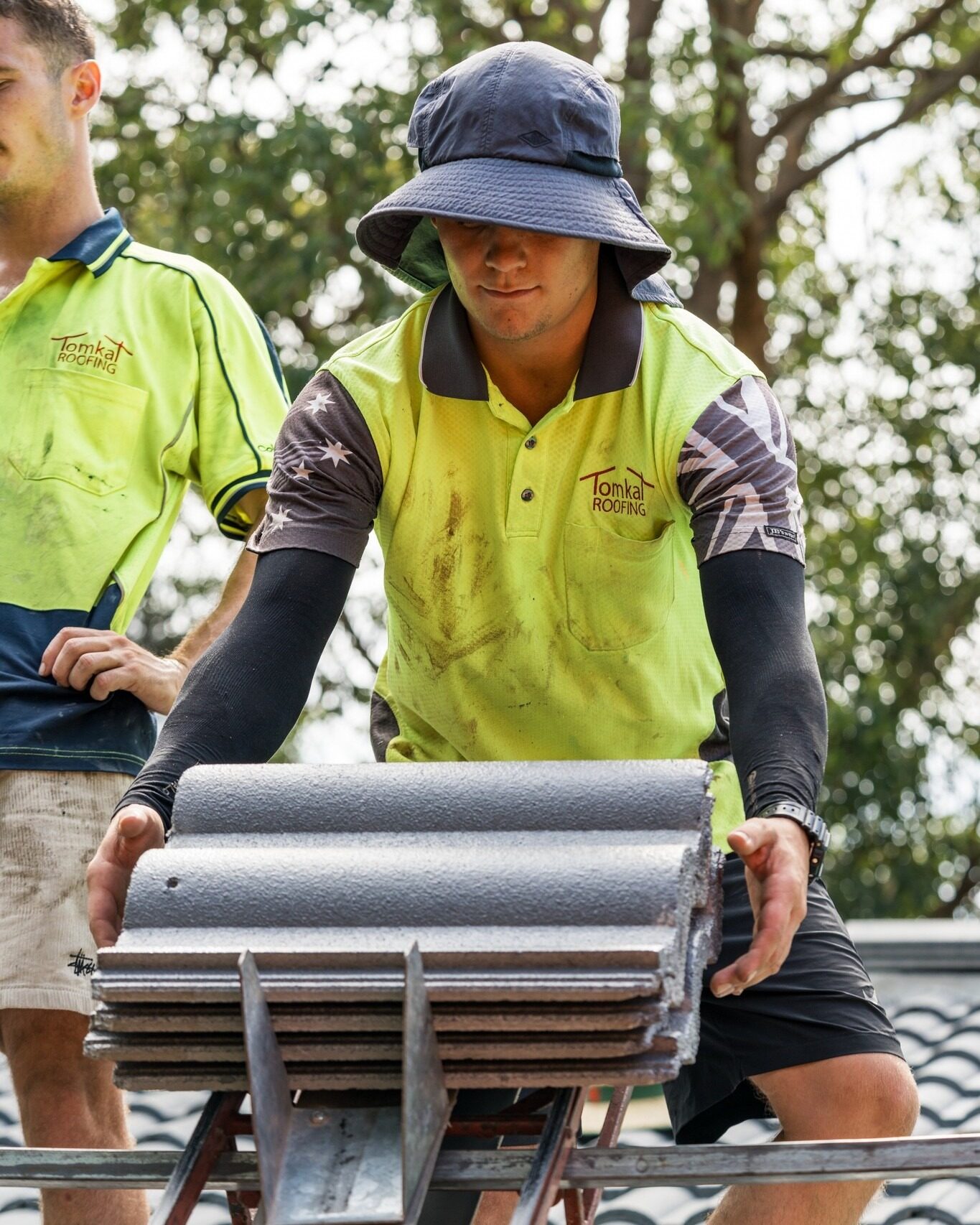
For isolated hairline cracks on otherwise sound tiles, repairs using specialised sealants can be effective. Structural cracks typically require tile replacement to restore full protection.
When tile replacement makes sense:
1. Cracks extend through the full thickness
2. Multiple tiles in one area are damaged
3. Tiles are loose, shifted, or broken
4. Water stains indicate active leaks
5. Tiles are brittle or deteriorating
Modern replacement tiles are more durable than older generations and come with better weather resistance. One challenge we often help homeowners work through is matching tiles for older roofs, particularly discontinued profiles from the 80s and 90s.
💡 Need help?
We offer professional roof repair casula to help you achieve your goals.
Don’t Wait Until the Next Storm
Sydney’s weather doesn’t give warnings. One day it’s dry, the next you’re dealing with torrential rain. Cracked tiles that seemed manageable suddenly become gushing leaks, causing water damage that costs far more than the original repair.
Understanding the difference between hairline and structural cracks helps you make informed decisions about your roof’s condition. While minor surface cracks may not need immediate action, structural damage requires prompt professional attention to protect your home.
If you’ve noticed cracks, water stains, or loose tiles, don’t wait for the problem to worsen. Early action saves money, prevents extensive damage, and gives you peace of mind when the next storm rolls in.
Protect Your Sydney Home Today
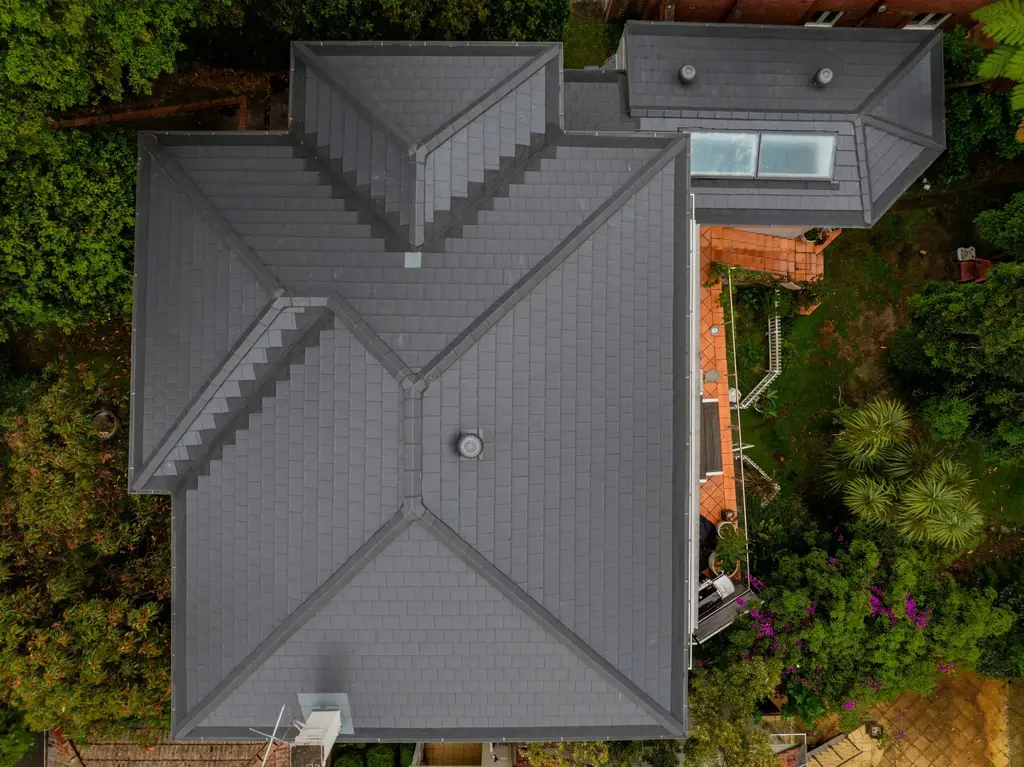
As 2024 and 2025 Australian Small Business Roofing Champions, Tomkat Roofing combines over 20 years of local expertise with award-winning service. We deliver thorough roof inspections, honest assessments, and fixed-price repairs designed to withstand Sydney’s harsh conditions.
Spotted cracks in your roof tiles? Get expert advice before the next storm. Contact Tomkat Roofing today for your free, no-obligation roof inspection and quote. Keep your home dry, protected, and fully insured with Sydney’s trusted roofing specialists.
Frequently Asked Questions
What is the difference between hairline and structural cracks?
Hairline cracks are thin, surface-level marks that are mostly cosmetic. Structural cracks go through the tile, often with movement or missing pieces, and let water into the roof. The second type needs prompt attention.
Are hairline cracks a problem?
Not always straight away, but they can widen with heat, frost and foot traffic over time. They are worth monitoring so a minor mark does not turn into a structural crack.
How does Sydney weather affect roof tile cracks?
Big temperature swings, heavy rain and the odd hailstorm all stress tiles. Repeated expansion and contraction slowly turns small flaws into cracks, especially on older roofs.
Can cracked tiles be repaired, or do they need replacing?
A single cracked tile can often be sealed or swapped out. Widespread cracking, or cracks with movement, usually means replacing the affected tiles to keep the roof watertight.
Should I get cracked tiles inspected?
Yes. A close inspection tells you whether a crack is cosmetic or structural, and catching it early is far cheaper than repairing water damage later.
Deal With Cracks Before the Storm
Left alone, a hairline crack can open up and let water into your home. Our team checks, repairs or replaces the affected tiles properly.