A leaking tile roof isn’t just annoying. It’s a sign that your home needs attention now. If you ignore even a small leak, you’re looking at structural damage, expensive repairs, and health problems like mold. For Sydney homeowners, knowing what causes tile roof leaks and spotting the early signs can save you thousands.
At Tomkat Roofing, we’ve fixed countless tile roofs across Sydney. We’ve seen how fast a small problem becomes a big one. This guide covers the most common causes of tile roof leaks, what warning signs to watch for, and practical fixes to protect your home.
What Causes Tile Roof Leaks
1. Cracked or Broken Tiles
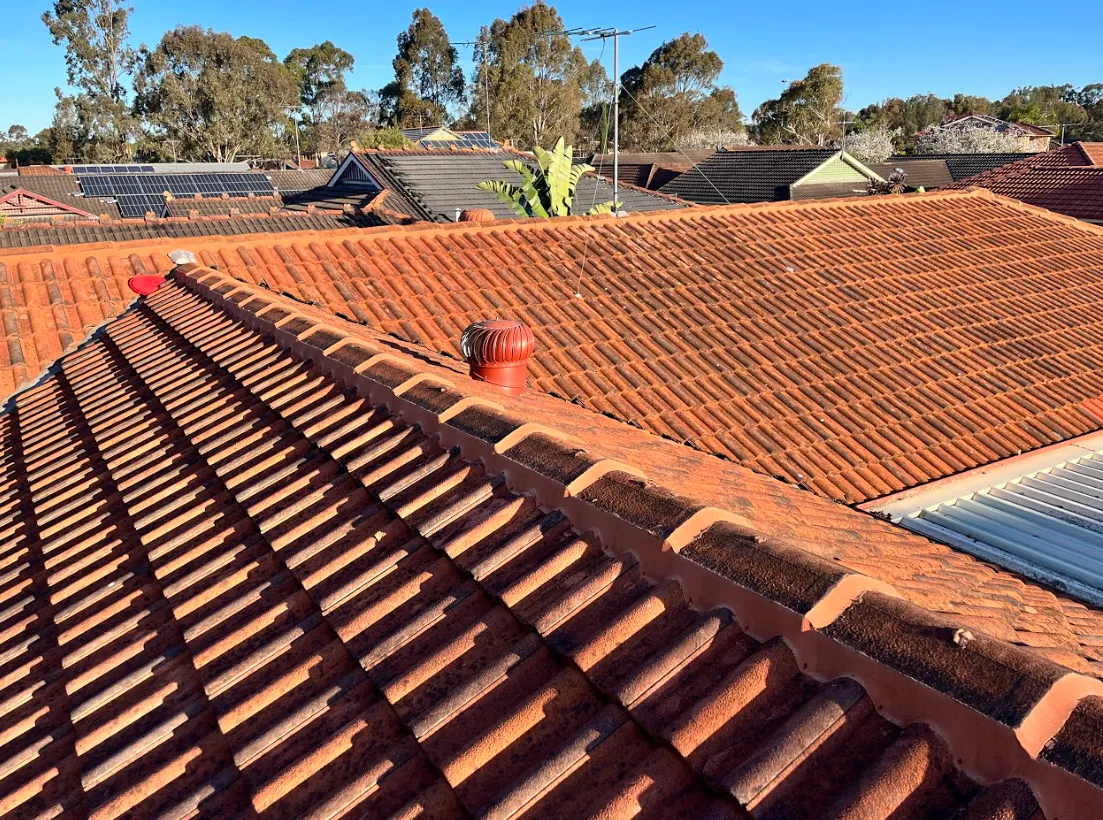
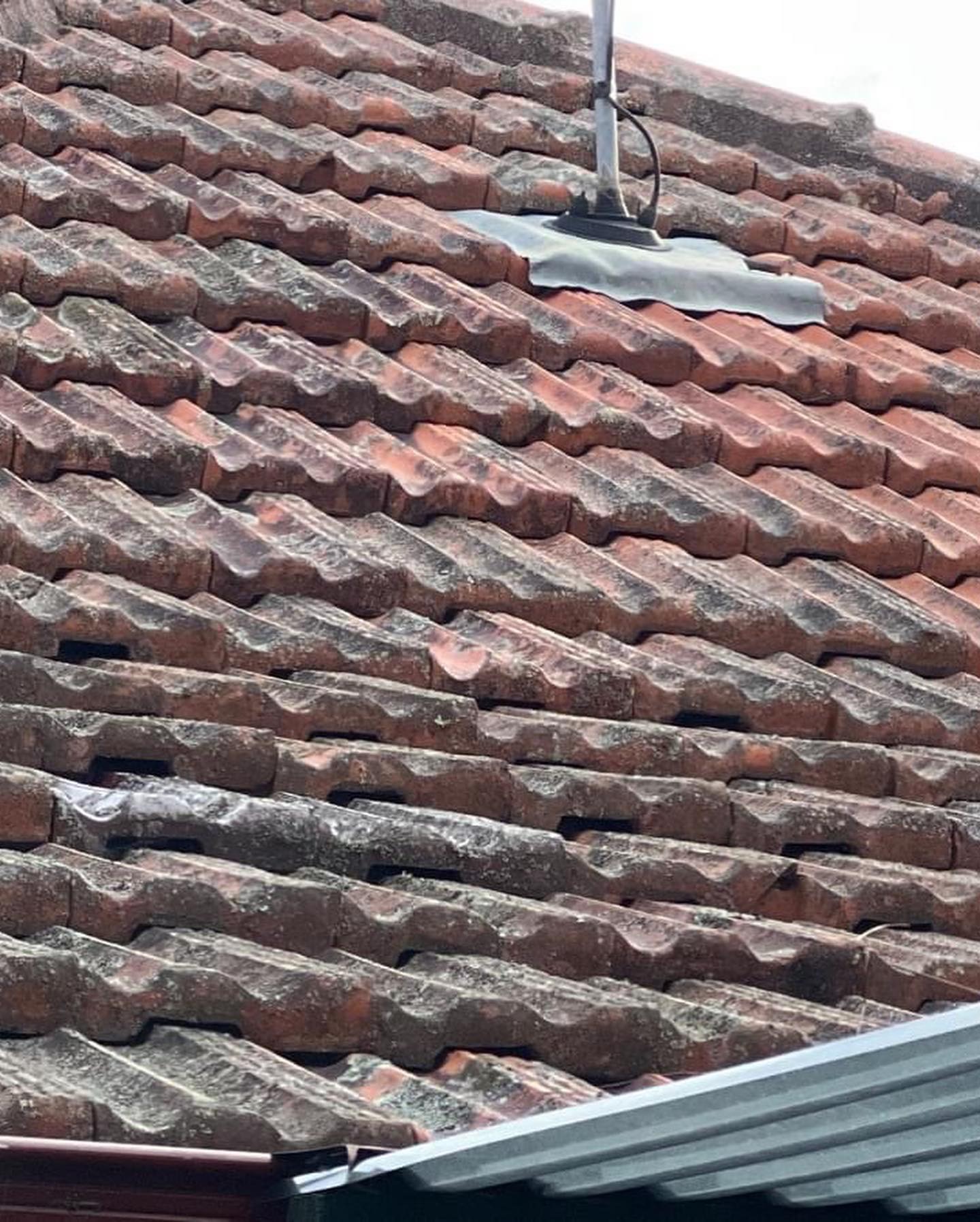
Cracked and broken tiles are the top reason Sydney roofs leak. Tiles crack from bad weather, falling branches, someone walking on them, or just getting old. One cracked tile breaks your roof’s waterproof barrier and lets water through to the layer underneath and into your house.
Sydney’s weather swings from scorching summers to sudden storms. This makes tiles expand and contract over and over. Eventually, the material weakens and cracks appear. What starts as a tiny crack gets worse during heavy rain, causing leaks that show up metres away from the actual damage.
2. Deteriorating Ridge Caps
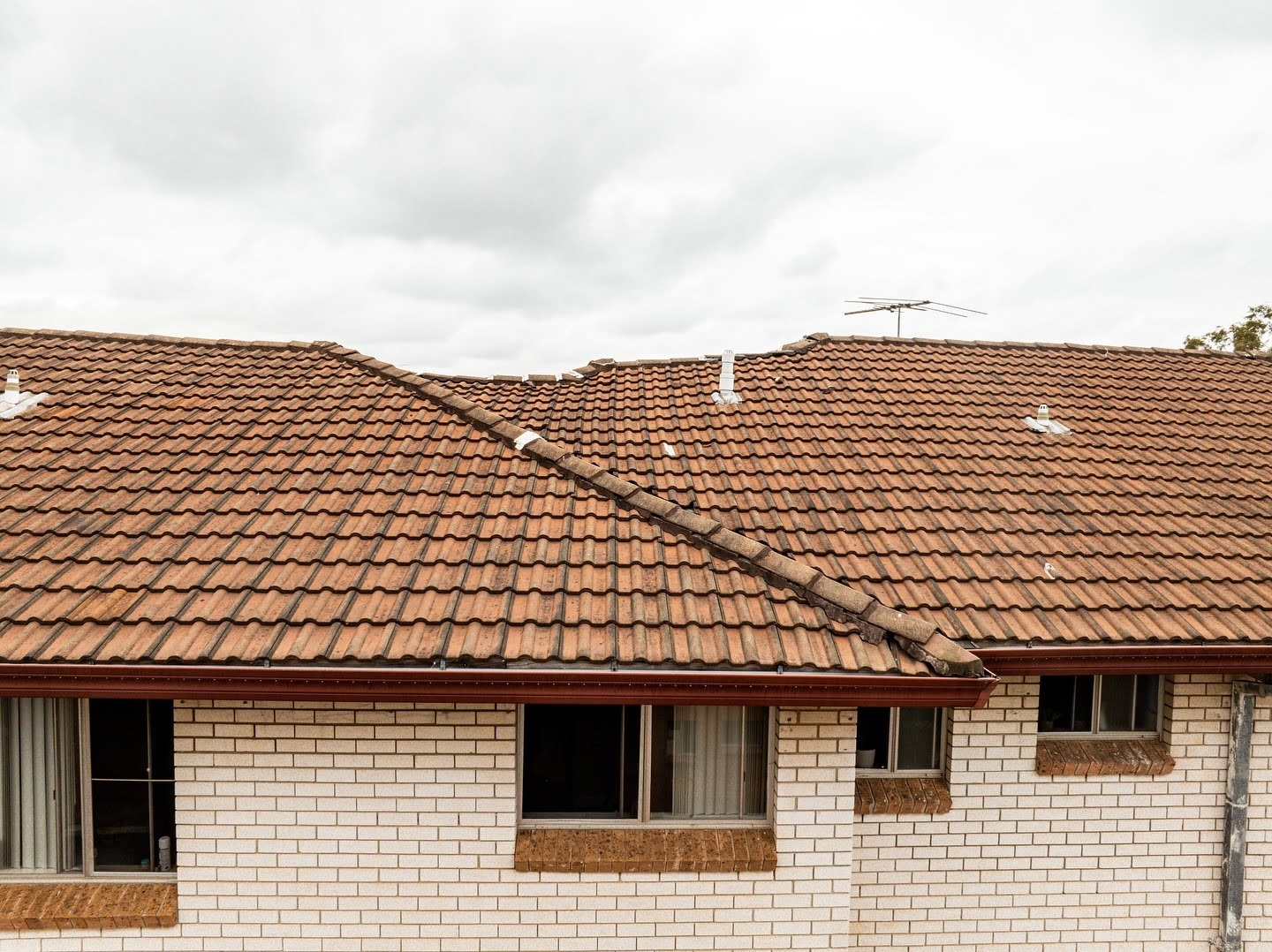
Ridge caps sit along the top of your roof where two sides meet. They’re held down with mortar or adhesive that breaks down over time from sun and rain. When ridge caps get loose or damaged, water gets straight into your roof space.
Strong winds are tough on ridge caps. During Sydney’s storm season, we’ve seen whole sections lifted off, leaving roofs exposed. If your ridge caps are cracked, loose, or missing mortar, leaks are coming.
3. Faulty Roof Flashing
Flashing is the thin metal sheeting around roof penetrations like chimneys, vents, and skylights. It directs water away from weak spots. But flashing can rust, crack, or come loose, creating direct pathways for water.
Bad flashing installation is common. We regularly check roofs where flashing was put in wrong during the original build or a past repair. These installations usually fail within a few years, causing leaks that are hard to find without professional help.
4. Blocked Gutters and Downpipes
Blocked gutters might not seem like a roof issue, but they cause plenty of tile roof leaks. When gutters overflow, water backs up under the roofline and beneath tiles. This sitting water damages the layer underneath and eventually gets through your ceiling.
📖 People also read about:
Sydney’s tree-filled suburbs make gutter blockages really common. Leaves, twigs, and rubbish build up fast, especially in autumn. Cleaning your gutters regularly keeps water flowing properly and stops overflow damage.
5. Damaged or Old Underlayment
Under your tiles is the underlayment, a protective sheet that acts as backup waterproofing. This material breaks down over time from age, poor airflow, or moisture. When the underlayment fails, water that gets past tiles has a straight path into your home.
Older Sydney houses often have outdated underlayment that wasn’t made for today’s weather. If your roof is over 20 years old and leaking, the underlayment could be the problem.
6. Poor Roof Ventilation
Not enough roof ventilation makes moisture build up in your roof space. This trapped moisture creates condensation that looks like a roof leak. Over time, too much moisture damages timber frames, insulation, and the underlayment, creating real leak spots.
Good ventilation lets air move through and keeps the roof space dry. If your roof doesn’t have proper vents or soffits, moisture buildup is guaranteed, especially during Sydney’s humid summers.
Warning Signs Your Tile Roof Is Leaking
Water Stains on Ceilings or Walls
Yellow, brown, or copper stains on your ceiling are the clearest sign of a roof leak. These stains mean water has come through the roof and is now affecting your interior. Don’t wait for dripping water. By then, serious damage has probably happened.
Damp or Musty Smells
A musty smell that won’t go away in your attic or upstairs rooms means moisture is there. This often points to a hidden roof leak where water is coming in but hasn’t caused visible damage yet. If you notice strange smells, especially after rain, book a professional inspection right away.
📖 People also read about:
Mould or Algae Growth
Mould and algae love damp conditions. If you see black, green, or white patches on your roof tiles or in your attic, moisture is present. Mould isn’t just ugly. It’s dangerous for your health and shows ongoing water problems.
Sagging or Bulging Ceiling
A sagging ceiling is serious. It means water has pooled in the ceiling space and the structure is weakened. If you notice a bulge or sag, put a bucket under it and call a professional roofer immediately. Wait too long and your ceiling could collapse.
Visible Tile Damage
Loose, cracked, or missing tiles are easy to spot from the ground if you look carefully. Check your roof from the street regularly, especially after storms. If you see damage, don’t wait for a leak to start. Fixing problems early always costs less than emergency repairs.
How to Fix Tile Roof Leaks
1. Replace Damaged Tiles
The simplest fix for cracked or broken tiles is replacement. A professional roofer carefully removes the damaged tile, cleans the area, and puts in a matching new one. This brings back the waterproof barrier and stops more water getting in.
2. Re-bed and Re-point Ridge Caps
If your ridge caps are loose or crumbling, they need re-bedding (fixed with fresh mortar) and re-pointing (sealed along the edges). This restores the seal at the roof’s peak and keeps water out of the roof space.
💡 Need help?
We offer professional leaking roof repairs sydney to help you achieve your goals.
3. Repair or Replace Flashing
Broken flashing needs repair or replacement to stop ongoing leaks. This means taking out the old flashing, cleaning the area, and installing new metal sheeting with proper sealing. Getting the installation right matters for long-term protection.
4. Clean and Maintain Gutters
Regular gutter cleaning is the easiest way to prevent overflow leaks. Clean your gutters at least twice a year, or more if you have trees overhead. Think about adding gutter guards to reduce debris buildup.
5. Upgrade Underlayment
If your roof’s underlayment has failed, it might need replacing. This is bigger work that means temporarily taking off tiles, putting in new membrane, and putting the tiles back. It takes more effort but protects your roof long-term.
6. Professional Roof Inspection
Not all leaks are easy to find. Water can travel along beams and appear far from where it’s actually getting in. A professional roof inspection uses special techniques to trace leaks to their source and recommend the best fixes.

Protect Your Sydney Home with Tomkat Roofing
Tile roof leaks won’t fix themselves. The longer you leave them, the more damage happens, and the bigger your repair bill gets. At Tomkat Roofing, we specialise in fast, effective roof repairs for Sydney homes. Our licensed team gives you transparent quotes, quality work, and lasting results built to handle Sydney’s toughest weather.
Don’t let a small leak become an expensive disaster. Contact Tomkat Roofing today for a free roof inspection and protect your home before the next storm arrives.