Heavy rain pouring through a ceiling isn’t just annoying, it’s a warning sign that things may have gone too far. Neglected roof issues often start small but grow fast and costly when left unchecked. It’s tough knowing what’s going on above when life’s already busy on the ground. Cracked tiles, rusted flashing, or blocked gutters can quietly chip away at your roof’s strength without a hint of trouble inside.
That’s why understanding the importance of roof inspections is crucial. Regular inspections help identify minor issues before they turn into major leaks or structural damage. If you’re a Sydney property owner who values smart upkeep over surprise repairs, investing in scheduled roof inspections is your best ally for long-term protection and peace of mind.
At TomKat Roofing, we check the details others miss, helping your roof keep up with Sydney’s wild weather swings.
Why Regular Roof Inspections Are Important
Protecting Structural Integrity
A house is only as strong as the roof protecting it. Weak spots left unchecked can invite serious safety issues for your family. Regular inspections catch cracked tiles, sagging areas, or worn flashing before they compromise your home’s structure. At TomKat Roofing, we’ve seen small leaks eventually cause ceiling collapses. Staying ahead with professional checks helps you avoid risky situations and maintain a safe shelter.
Extending Roof Lifespan
Roofs age faster when ignored. Minor damage builds up, and one season of harsh weather can take years off its life. Getting inspections allows our team to fix things early – stopping rust spread, tile shifting, or blocked drainage before it amplifies the wear. It’s like getting a tune-up for your car so it lasts longer. Your roof deserves the same care to keep protecting you longer.
Saving Long-Term Costs
Catching problems early saves more than just stress – it saves serious cash. We’ve repaired roofs for Sydney families who avoided $10k replacements simply by spotting damage early with our free inspections. Smaller fixes today can prevent an entire rooftop overhaul later, and that’s an investment worth making.
Preserving Home Value
Shiny kitchens and refreshed walls won’t hold value if water seeps through the roof. Buyers always look up – our experience shows roof condition can make or break a sale. Keeping inspections consistent maintains your home’s condition and gives you peace, knowing it remains a worthy asset.
How Often Should Roofs Be Inspected
General Timing Guidelines
We recommend at least two inspections per year – once before summer and once before winter. This habit covers the weather extremes in Sydney and helps you spot issues when they’re still easy to fix. Annual checks may be enough for newer homes, but older roofs benefit from bi-annual checks for better upkeep.
Seasonal Roof Considerations
Spring and pre-winter seasons are perfect for inspections. Spring helps you recover from stormy summer damage, while pre-winter checks prepare your roof for cold, moist months. This routine lowers the risk of leaks and ensures proper drainage when the heavens really open.
Special Situations Requiring Extra Checks
Sydney’s wild weather isn’t shy of storms. After heavy rain or strong winds, it’s smart to check for loose tiles or blocked gutters. If your area felt a tremor or light quake, even minor shifts can harm flashing or fasteners. Call us anytime after major events – we’re ready, even on short notice.
What Regular Roof Inspections Involve
External Components Evaluation
We look at every surface that takes a beating from the elements. Shingles, flashings around vents and chimneys, gutters – nothing escapes our eyes. Sealants that have cracked under sun exposure or rust patches on metal roofs are noted and flagged immediately.
Internal Components Analysis
Inside the roof cavity, we check that insulation is in place and dry. If pests have found a cosy nook in attic corners or vents are underperforming, we’ll know. Leaks don’t just soak ceilings – they ruin insulation and invite mould.
Safety and Functional Assessment
We ask: is the roof doing its job reliably? Signs of sagging, blistered surfaces, or leaking material are warnings. We carefully assess the strength of the structure and update you with clear photos and easy-to-understand guidance.
Common Issues Detected During Roof Inspections
Typical Wear and Tear
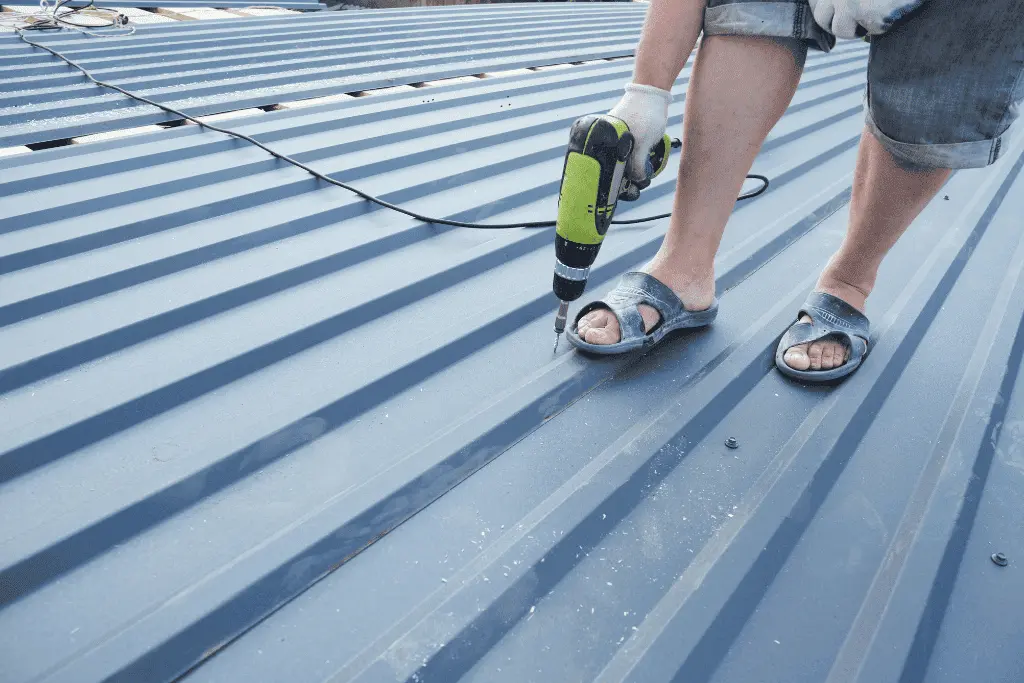
Roof surfaces carry the marks of time. We often find cracked tiles, sheet metal lifting at the edges, or flashing pulling away from walls due to heat expansion. These don’t announce themselves loudly – but we catch them in time.
Water-Related Faults
A small leak near a valley or skylight can become mould on your ceiling in days. We’ve seen underlayments fail where water pools, especially if gutters are blocked. Mildew patches and dark ceiling rings are red flags you can’t ignore.
External Threat Indicators
Storm damage usually shows up as dented metal sheets or missing tiles. We also watch for signs of nesting birds or rodents chewing into soft insulation. Reacting early helps us stop larger issues before they expand.
DIY vs Professional Roof Inspections

When DIY Can Work
From the ground, you can always look for discoloured patches or fallen shingles. Use binoculars to safely scan from below and clear loose leaves from gutters. But don’t walk on your roof – you could cause more damage than you prevent.
Importance of Experts
Photos won’t spot a leak forming in underlayment – but our trained eyes can. We explain inspection findings clearly so you know what actions matter most, and when to take them. At TomKat Roofing, we go beyond a checklist – we offer peace of mind.
Choosing a Roof Inspector
Always check for certifications, insurance, and word-of-mouth trust. We’re proud of our 2024 Roofing Champion Award and 20+ years of local work under Tom Stephens’ leadership. From free quotes to before-and-after photos, we do things the right way – because trust is earned.
Roof Inspections for Different Property Types
Residential Building Needs
Homes differ by roof type, so tile vs metal needs to shift our approach. Older homes need deeper inspections around drainage and eaves, where aging shows first. In every case, we help homeowners feel secure in every season.
Commercial Property Evaluations
Flat roofs and wide surface areas demand checks for pooling water and blocked drainage. Businesses like schools or clubs benefit from consistent upkeep – we help avoid business disruptions from sudden repairs.
Buying or Selling Context
Our inspection reports help buyers negotiate smartly and help sellers show their roof is solid. A clean bill from TomKat Roofing makes any property stand stronger during sales talks.
Costs and Planning for Inspections
Cost Factors Overview
Prices vary by house size, roof access, and materials. Our inspections are free, giving you clarity without hidden fees. For harder-to-reach roofs, costs may reflect extra safety setup.
Recommended Scheduling Practices
Mark your diary for mid-Spring and late Autumn – ideal roof inspection times in Sydney. We book routine checks to sync with other seasonal care around your property.
Long-Term Planning Benefits
Planning regular inspections helps you schedule budget-friendly maintenance over time. You avoid big, expensive surprises and take action on your terms.
Extras: Enhancing Maintenance Outcomes
Preventative Measures
Keep your gutters clean and drainage lines free from blockages. Trim nearby trees to prevent leaves from piling up around valleys and ridges.
Enhancing Durability
Cover exposed nail heads, seal cracked joins, and fix fascia early. The little things make roofs last longer and perform better each year.
Efficiency Considerations
Insulation checks are key – heat loss or build-up affects home comfort and power bills. A well-cared roof adds efficiency to your daily living space.
Frequently Asked Questions
How often should flat roofs be inspected?
Flat roofs collect water and debris more easily, so check them 2–3 times a year, especially after wet seasons.
Are drone inspections reliable and legal in Australia?
Yes – they’re accurate and fast when used by licensed operators. We follow CASA rules for full safety and compliance.
Do roof inspections help in property resale?
Absolutely. A good inspection history shows buyers that your home’s been cared for – it’s a strong selling point.
What safety regulations must be followed during a roof inspection?
All our inspections follow height-safety regulations and certified systems under Australian standards. We use proper fall protection and site risk assessments every time.
How has technology improved roof inspections?
Infrared scans and drone photos let us see heat loss, hidden damage, and hard-to-reach parts with zero disruption.
Roof Surprises Don’t Knock - They Crash In
By the time you spot a stain on the ceiling or a loose tile, the damage may have already spread. That’s why waiting for signs isn’t a reliable option; it’s like hearing thunder after the bolt hits.
Homeowners often wonder how often roofs should be inspected, and the answer depends on their environment and weather patterns. A good rule of thumb is to get the roof checked at least once or twice a year, especially before and after storm seasons. Doing so helps you catch small problems early, saving you from costly repairs, unwanted leaks, and headaches down the track.
At Tomkat Roofing, we help Sydney property owners sleep easily by offering timely roof inspections tailored for local weather and property types.
Need peace of mind? Book your inspection with us today.