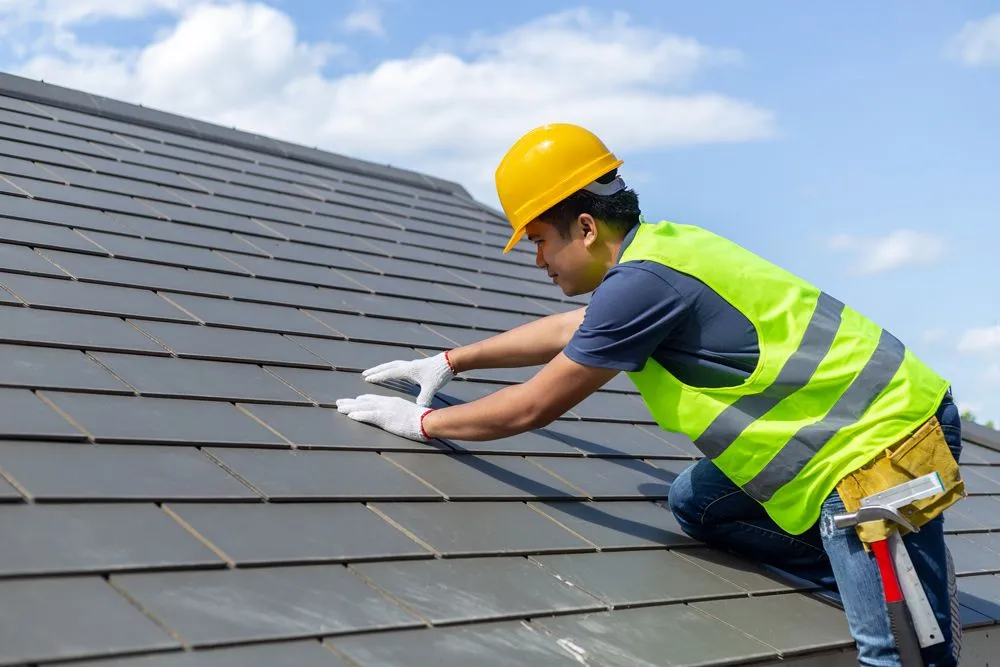
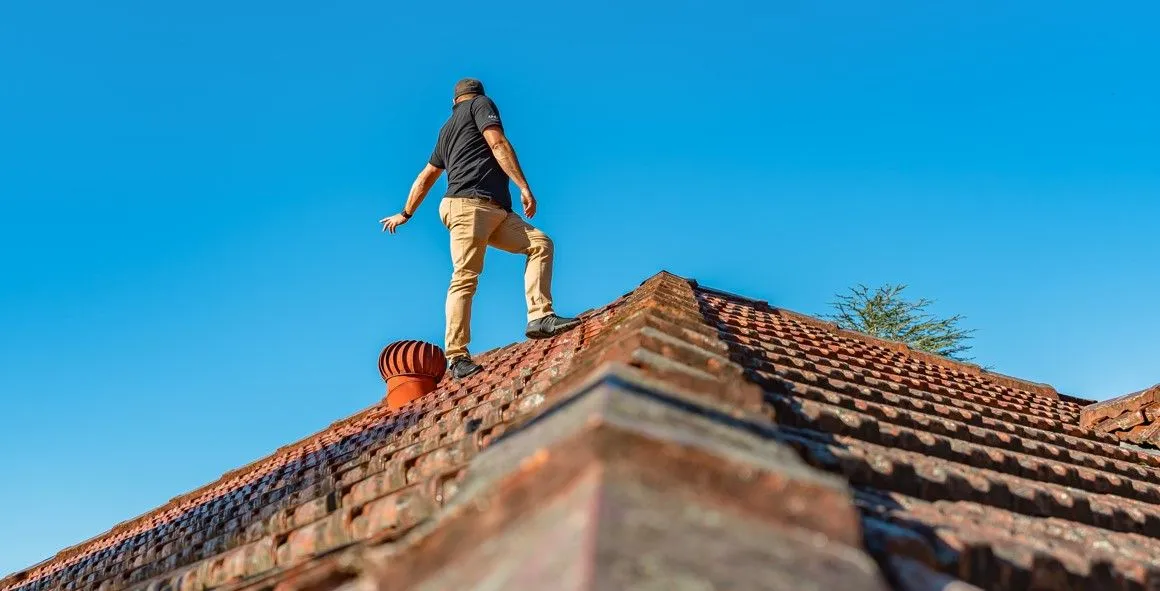
If you’ve noticed loose tiles along your roofline or spotted mortar dust collecting in your gutters, your ridge capping might be calling out for attention. Ridge capping sits at the peak of your roof where two sides meet, acting as your home’s first line of defence against Sydney’s harsh weather. When the mortar securing these tiles breaks down, water can seep into your roof cavity, causing expensive damage to your ceiling and insulation.
Knowing when re-bedding is necessary can save you thousands in repairs and protect your home from leaks before they start.
What Is Ridge Capping and Why Does It Matter?
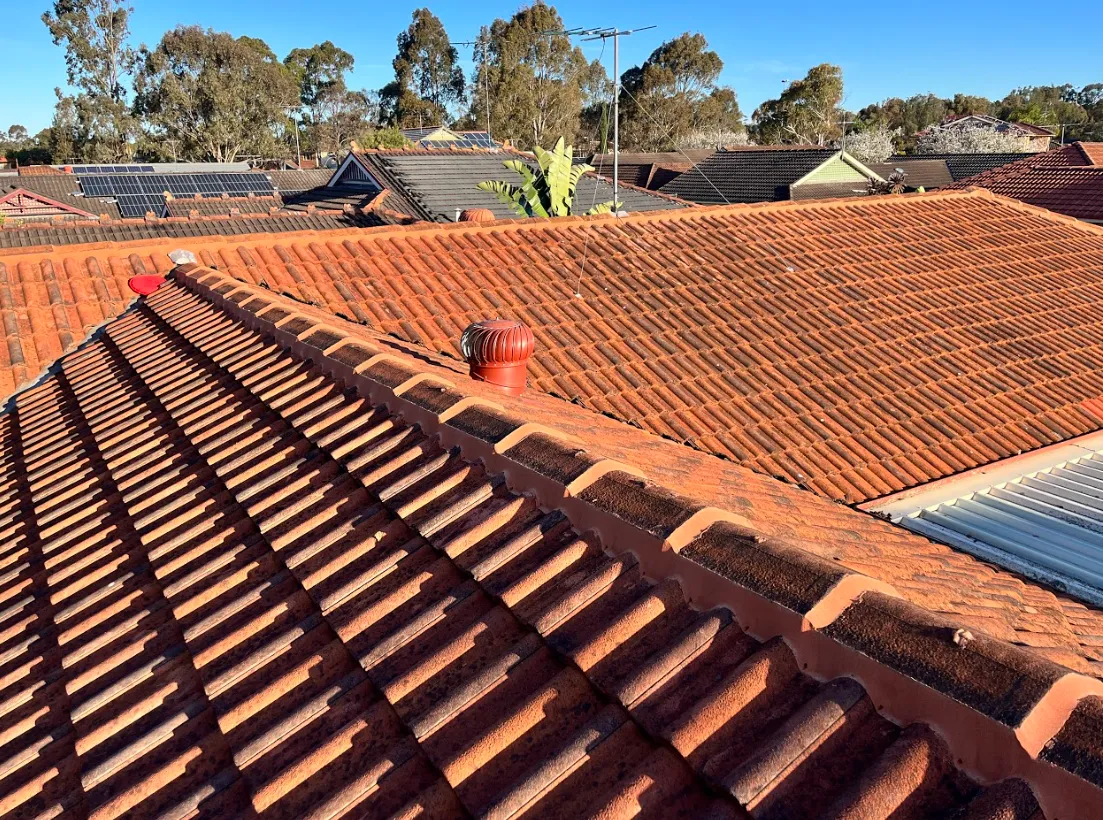
Ridge capping refers to the tiles or caps installed along the highest point of your roof. These specialised tiles seal the gap where two roof planes meet, preventing rain, wind, and debris from entering your home.
The capping is held in place by two key components: bedding mortar (the thick base layer that supports the tiles) and pointing compound (the flexible sealant applied along the edges). Both materials face constant attack from Sydney’s UV rays, temperature changes, and weather extremes. Over time, this exposure causes deterioration, which is why regular inspection and maintenance are essential.
Re-Bedding vs. Re-Pointing: What’s the Difference?
Many homeowners confuse re-bedding with re-pointing, but they’re different processes that address separate issues.
1. Re-pointing involves replacing only the outer pointing compound, the flexible seal visible along the edges of your ridge tiles. This works when the bedding mortar underneath remains solid. Re-pointing typically costs less and takes less time because the tiles don’t need to be removed.
2. Re-bedding is more comprehensive. It involves completely removing the ridge tiles, clearing away all the old deteriorated mortar, and laying fresh bedding compound before resetting the tiles. This process is necessary when the underlying mortar has crumbled, cracked, or lost its structural integrity. Re-bedding typically lasts 15 to 20 years when done with modern flexible materials.
Five Signs Your Ridge Capping Needs Re-Bedding
Knowing what to look for can help you catch problems early. Here are five telltale signs that re-bedding is required:
1. Visible Cracks or Gaps in the Mortar
If you can see hairline cracks, chunks missing from the mortar, or gaps between the ridge tiles and the roof, water is likely already finding its way inside. These openings compromise the waterproof seal and will only worsen with time.
2. Loose or Shifting Ridge Caps
Ridge tiles that rock when touched or appear misaligned mean the bedding mortar has failed. In Sydney’s strong winds, loose caps can lift off entirely, creating immediate leaks and potential safety hazards.
3. Water Stains on Ceilings or Walls
Internal water damage directly below your roofline is a red flag. Brown or yellow staining on your ceiling, damp patches, or peeling paint often means water has been entering through failed ridge capping for some time.
4. Mortar Dust or Debris in Gutters
Check your gutters after cleaning them. If you notice fine sand-like grit, cement chunks, or mortar debris, this is a definitive sign that the bedding is breaking down and washing away.
📖 People also read about:
5. Age of Your Roof
Tiled roofs in Sydney typically need ridge capping attention every 10 to 15 years. If your roof hasn’t been serviced in over a decade, it’s time for a professional inspection.
The good news? Once you understand what causes condensation on a metal roof and how to prevent it, you can protect your home from costly water damage, mould growth, and rust. At Tomkat Roofing, we’ve helped countless Sydney homeowners tackle condensation issues head-on. Here’s everything you need to know.
Why Waiting Makes Things Worse
Putting off ridge capping repairs might seem like a money-saving strategy, but it often leads to far greater expenses. Once water enters your roof cavity, it saturates insulation, rots timber framing, and stains ceilings. What starts as a small leak can require extensive structural repairs within months.
Without secure bedding, your roof tiles shift and crack more easily. During storms, loose tiles can blow off completely, leaving large sections of your roof exposed. Gaps in ridge capping also allow hot air to enter your roof space in summer and warm air to escape in winter, forcing your heating and cooling systems to work harder.
The Re-Bedding Process: What to Expect
Professional re-bedding follows these key steps:
A licensed roofer inspects your entire ridge line, checking for damage and determining whether re-pointing or full re-bedding is needed. Ridge tiles are carefully lifted and set aside, then all old mortar is chipped away and the surface thoroughly cleaned.
Modern flexible bedding compound is applied along the ridgeline. This material is designed to handle thermal expansion and contraction, unlike traditional cement. Ridge tiles are carefully placed back into the fresh bedding, pressed down firmly, and aligned to maintain a straight ridgeline.
📖 People also read about:
Once the bedding cures, flexible pointing compound is applied along both sides of each ridge tile, creating a watertight seal that can absorb movement without cracking.
Modern Materials vs. Traditional Cement
Traditional cement mortar was once the standard for bedding ridge caps, but it has serious limitations. Cement is rigid and cracks under thermal stress as your roof expands and contracts with temperature changes.
Today’s flexible bedding and pointing compounds are specifically engineered for Australian conditions. These polymer-modified materials move with your roof, resist UV damage better, and maintain their seal for longer periods. When properly installed, modern flexible pointing can last 15 to 20 years compared to 7 to 10 years for traditional cement.
At Tomkat Roofing, we exclusively use flexible compounds that meet Australian standards, ensuring your ridge capping repair delivers long-lasting protection against Sydney’s variable weather.
💡 Need help?
We offer professional roof repairs sydney to help you achieve your goals.
All ridge capping work should comply with relevant Australian roofing standards, including AS 2050 for roof tiles and bedding requirements. Using compliant materials and installation methods ensures structural integrity, weather resistance, and warranty validity.
A Recent Ridge Re-Bedding Project in Sydney’s Northern Beaches
Last month, our team completed a full ridge re-bedding in Dee Why after the homeowner noticed mortar debris in their gutters and minor ceiling staining. Upon inspection, we found that the original cement bedding had completely deteriorated after 18 years of exposure to coastal conditions.
We removed and re-bedded over 32 linear metres of ridge capping using flexible compounds suited to salt-heavy air. The home has since endured heavy rain without further leakage.
Why DIY Re-Bedding Is Risky
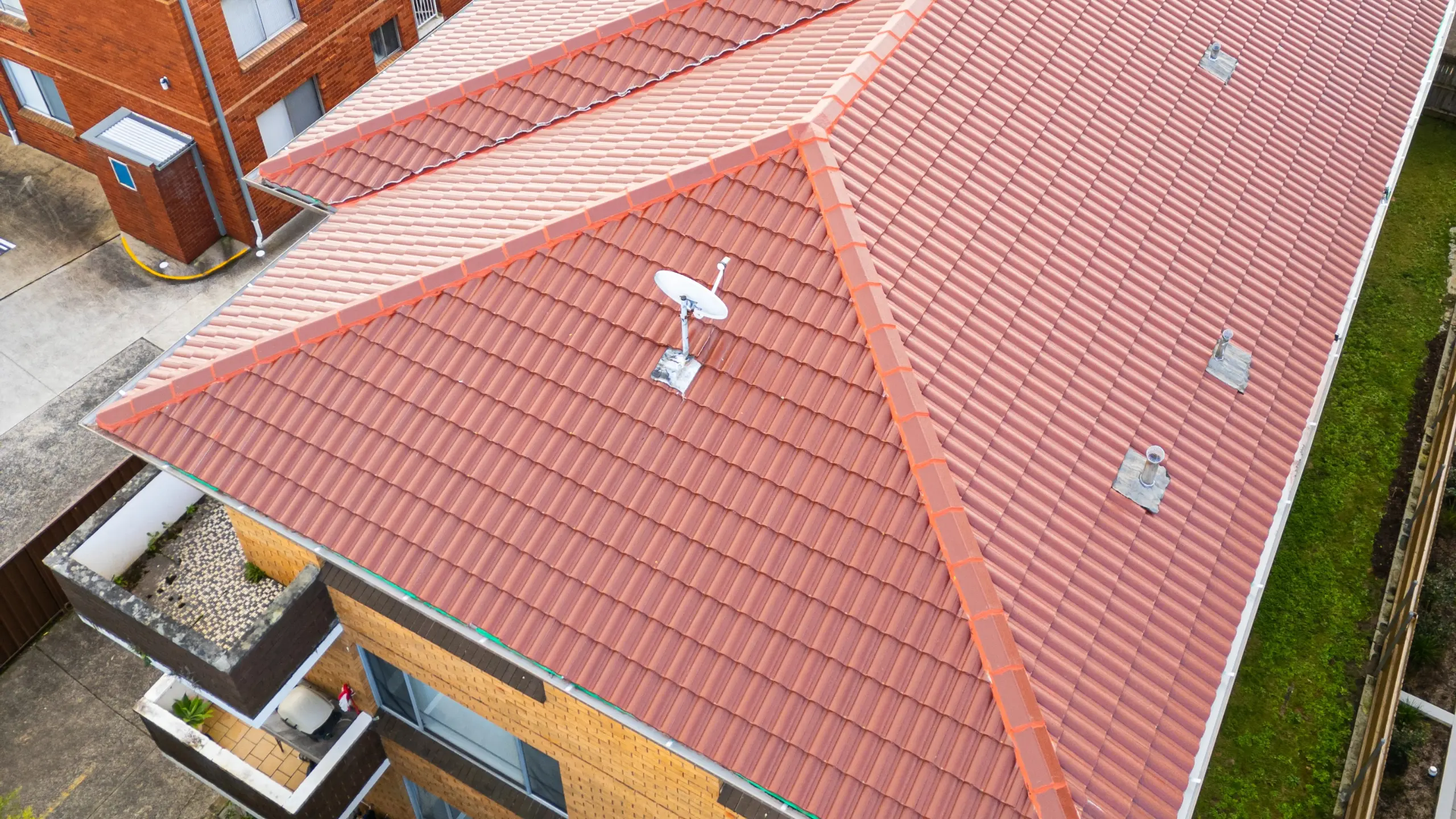
While some homeowners consider tackling ridge capping repairs themselves, several factors make this a job best left to licensed professionals.
Working at height on a pitched roof is inherently dangerous. Professional roofers have appropriate safety equipment, training, and insurance. Using the wrong mortar mix, incorrect pointing techniques, or incompatible sealants leads to premature failure. Poor workmanship often results in leaks that require complete rework.
DIY repairs also void most roof warranties, while professional work comes with guarantees that protect your investment. Roofing work must meet Australian building standards, and licensed contractors ensure compliance.
Choosing the Right Roofing Contractor in Sydney
When selecting someone to re-bed your ridge capping, look for valid NSW roofing licences, comprehensive insurance, transparent pricing with detailed written quotes, and local experience with Sydney’s weather patterns.
At Tomkat Roofing, we’ve built our reputation on quality workmanship and honest service across Sydney. Our licensed team specialises in both tile and metal roofing, and we provide free inspections with clear, fixed-price proposals.
Protect Your Sydney Home with Professional Ridge Capping Repairs
Your ridge capping keeps your home dry, energy-efficient, and structurally sound. Recognising the signs of deterioration and acting quickly with professional re-bedding prevents costly water damage and extends your roof’s lifespan.
If you’ve noticed any of the warning signs we’ve covered, or if your roof hasn’t been inspected in over 10 years, now is the time to take action. Early intervention is always more affordable than emergency repairs after storm damage.
Ready to protect your home? Contact Tomkat Roofing today for a free, no-obligation roof inspection. Our experienced team will assess your ridge capping, provide honest recommendations, and deliver a transparent quote