
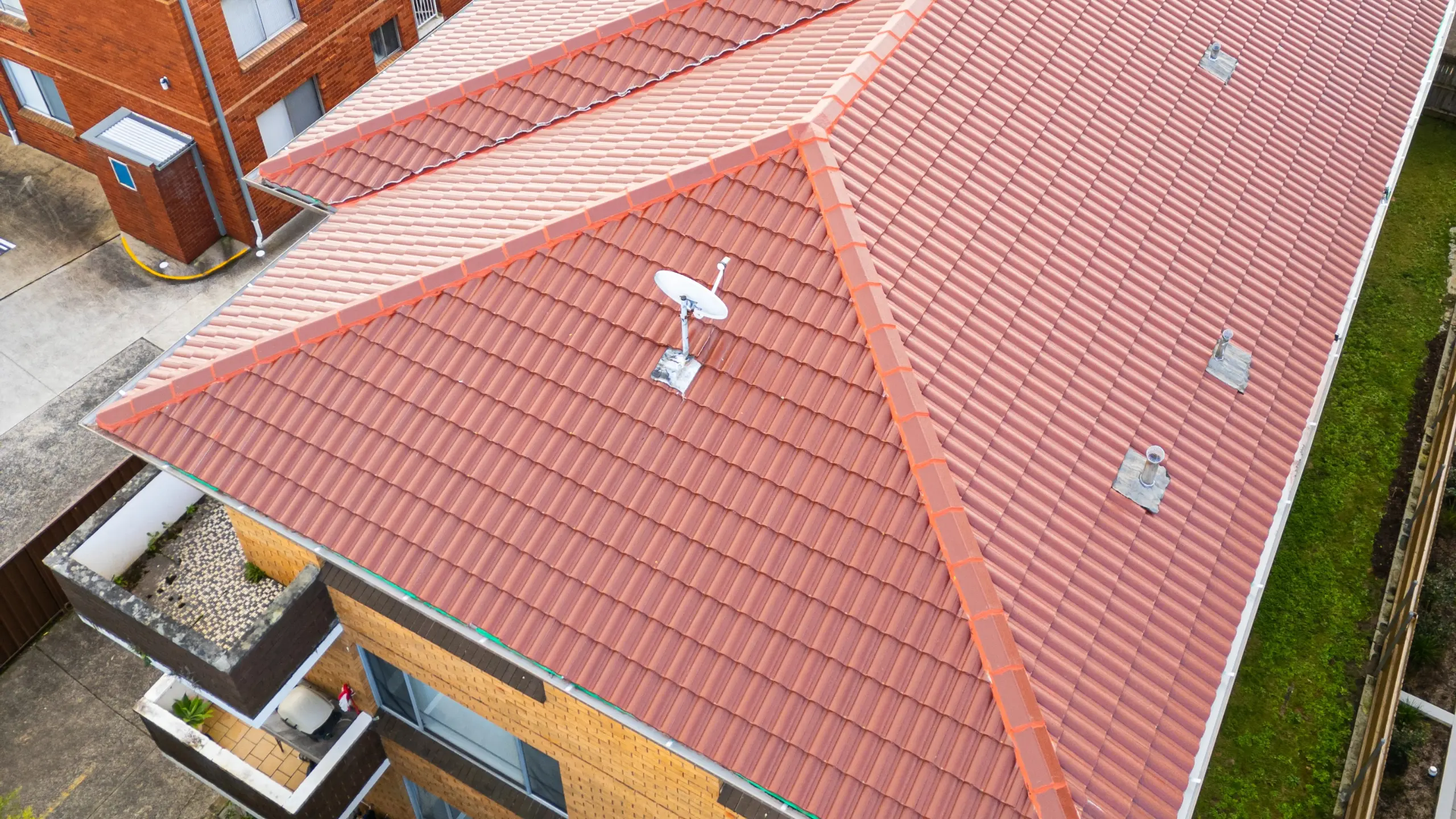
The most effective way to stop storm leaks before they start is to address your roof’s weakest points well before the wet season hits. This means upgrading flashings, sealing penetrations, reinforcing tile or metal fixings, improving gutter capacity, and adding secondary waterproofing layers. For Sydney homeowners, these preventative upgrades cost a fraction of repairing water damage after a major storm rolls through.
Sydney’s weather has become noticeably more aggressive in recent years. East coast lows, summer hailstorms, and those sudden southerly busters can dump alarming amounts of rain in short bursts. A roof that performed well a decade ago might not stand up to what the sky throws at it today. The good news? A handful of smart upgrades can make a real difference.
Is Your Roof Ready for Storm Season?
A few smart upgrades now cost a fraction of repairing water damage later. Our Sydney roofers find the weak points before the rain does.
Why Sydney Roofs Need Extra Protection

Coastal homes face a tough combination: salt-laden air, intense UV, heavy rainfall, and gusty winds. These forces work together to wear down materials faster than you might expect. Tiles shift. Sealants crack. Metal fasteners corrode. By the time a leak shows up on your ceiling, the damage above has usually been building for months or years.
Being proactive saves money and protects your family from the stress of dealing with water damage during a downpour. If you’ve noticed minor issues already, having a chat with the team at Tomkat Roofing for a pre-storm inspection is a sensible first step.
Upgrade Flashings Around Penetrations
Flashings are the metal pieces that seal joints around chimneys, skylights, vents, and where your roof meets a wall. They are responsible for a huge percentage of storm-related leaks. Older lead flashings often pull away from mortar over time, and silicone sealants eventually shrink and split.
Modern alternatives like flexible aluminium flashing tapes and high-grade polyurethane sealants last considerably longer. If your home is more than fifteen years old, replacing original flashings with current materials is one of the highest-value upgrades you can make.
📖 People also read about:
Reinforce Tile and Metal Fixings
Wind uplift is a serious issue during severe storms. Loose tiles can crack, slide out of position, or blow off completely, leaving the sarking exposed to driving rain. For tiled roofs, having a roofer re-bed and re-point the ridge capping with flexible pointing compound (rather than rigid mortar) makes the roof far more resilient to movement.
For Colorbond and metal roofs, checking that screws and fasteners are still tight matters. Rubber washers under screws degrade in UV and need replacing every ten to fifteen years to keep the seal watertight.
Install or Replace Sarking
Sarking is the foil-faced membrane that sits under your tiles or metal sheets. It acts as a second line of defence, catching any water that gets past the outer roof and channelling it safely into the gutters. Plenty of older Sydney homes were built without sarking, or with sarking that has since deteriorated.
📖 People also read about:
Adding sarking during a re-roof, or as part of a tile lift and relay, gives you genuine peace during heavy weather. It also improves thermal performance, which is a nice bonus on hot January afternoons.
Seal and Reinforce Valleys
Valleys are where two roof slopes meet, and they handle enormous volumes of water during storms. Galvanised valley irons rust out over time, and debris caught in valleys can force water sideways under tiles. Upgrading to Zincalume or Colorbond valley flashings, properly clipped and sealed, prevents one of the most common leak points in Sydney homes.
💡 Need help?
We offer professional tile roof repairs sydney to help you achieve your goals.
Address Skylights and Solar Penetrations
Every hole in your roof is a potential leak point. Older skylights with single-glazed acrylic domes often fail at the sealing flange, while solar panel mounting brackets can compromise sarking and tile waterproofing if not installed carefully. If you have solar panels installed by a non-roofing contractor, having a qualified roofer inspect the mounting points is worth doing.
Don’t Wait Until It’s Pouring
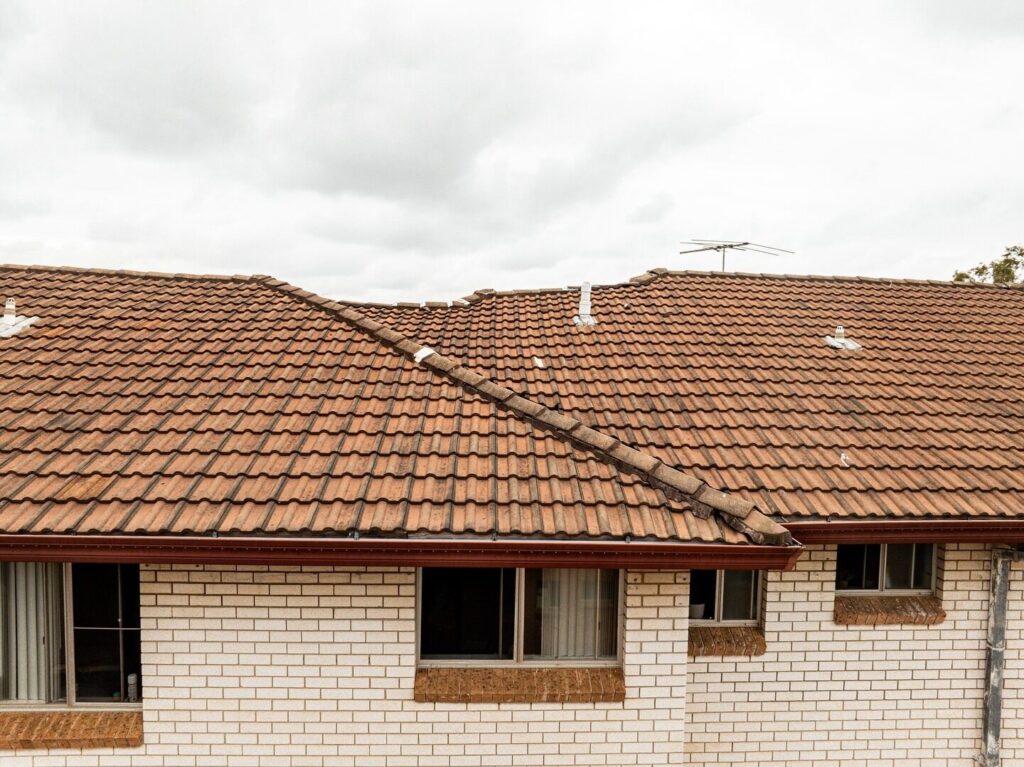
Storm-proofing works best when it’s done in calm weather, well ahead of any forecast wild weather. Emergency call-outs during storms cost more, take longer to schedule, and rarely deliver the same quality of work as planned upgrades.
Ready to storm-proof your home before the next big system rolls in? Book your pre-storm roof inspection with Tomkat Roofing today and get a clear plan for protecting your family this season.
Frequently Asked Questions
How often should I have my roof inspected in Sydney?
Once every two years is a sensible baseline, and annually if your home is older than twenty years or surrounded by trees. An inspection before the wet season (roughly October to March in Sydney) gives you time to action any repairs before heavy rain arrives.
What's the average cost of preventative storm-proofing?
It varies widely depending on roof size and condition, but most Sydney homeowners spend between $2,000 and $8,000 on a comprehensive preventative upgrade. Compare that to ceiling repairs and water damage claims, which often run well into five figures.
Will insurance cover storm damage if my roof is old?
Most policies require homeowners to maintain their property in reasonable condition. Claims can be reduced or denied if an assessor finds the damage resulted from poor maintenance rather than the storm itself. Keeping documentation of regular inspections helps support any future claim.
Can I storm-proof a tiled roof without replacing it?
Absolutely. Re-pointing ridge capping, replacing broken tiles, upgrading flashings, and adding sarking during a tile lift can extend the life of a tiled roof by fifteen to twenty years.
Do gutter guards really make a difference?
Yes, particularly for homes near trees. Blocked gutters are behind a surprising number of “roof leak” call-outs, and quality gutter guards reduce maintenance and overflow risk significantly.
Storm-Proof Your Roof Before the Wet Season
From flashings and fixings to gutter capacity, our team strengthens your roof’s weak points and gives you a clear, fixed-price plan.