
A roof leak rarely announces itself politely. Sometimes it’s a brown ring spreading across the ceiling. Other times it’s a musty smell that lingers long after the rain has passed. Either way, once water gets into your home, a hidden problem starts working away behind the scenes: mould.
After more than two decades repairing roofs across Sydney, we’ve seen how quickly a small leak turns into a much bigger headache. The frustrating part is that mould often takes hold well before most homeowners realise anything is wrong.
Mould Showing Up After a Leak?
Stop the water at the source first. Our Sydney team finds and fixes the roof leak feeding the damp.
How fast does mould actually start growing?
Faster than most people expect. Given the right conditions, mould spores can begin to settle and grow within 24 to 48 hours of a surface becoming damp. Sydney’s humidity, especially through the warmer and wetter months, gives mould exactly the environment it loves: moisture, warmth, and something organic to feed on like timber, plasterboard, or insulation.
In the first day or two, the growth is usually invisible. Spores are microscopic, so by the time you can see a patch on the ceiling or smell that damp, earthy odour, the colony has already been developing for days. What starts as a faint discolouration can spread across an entire ceiling cavity within a week if the moisture keeps feeding it.
Why the roof cavity makes it worse
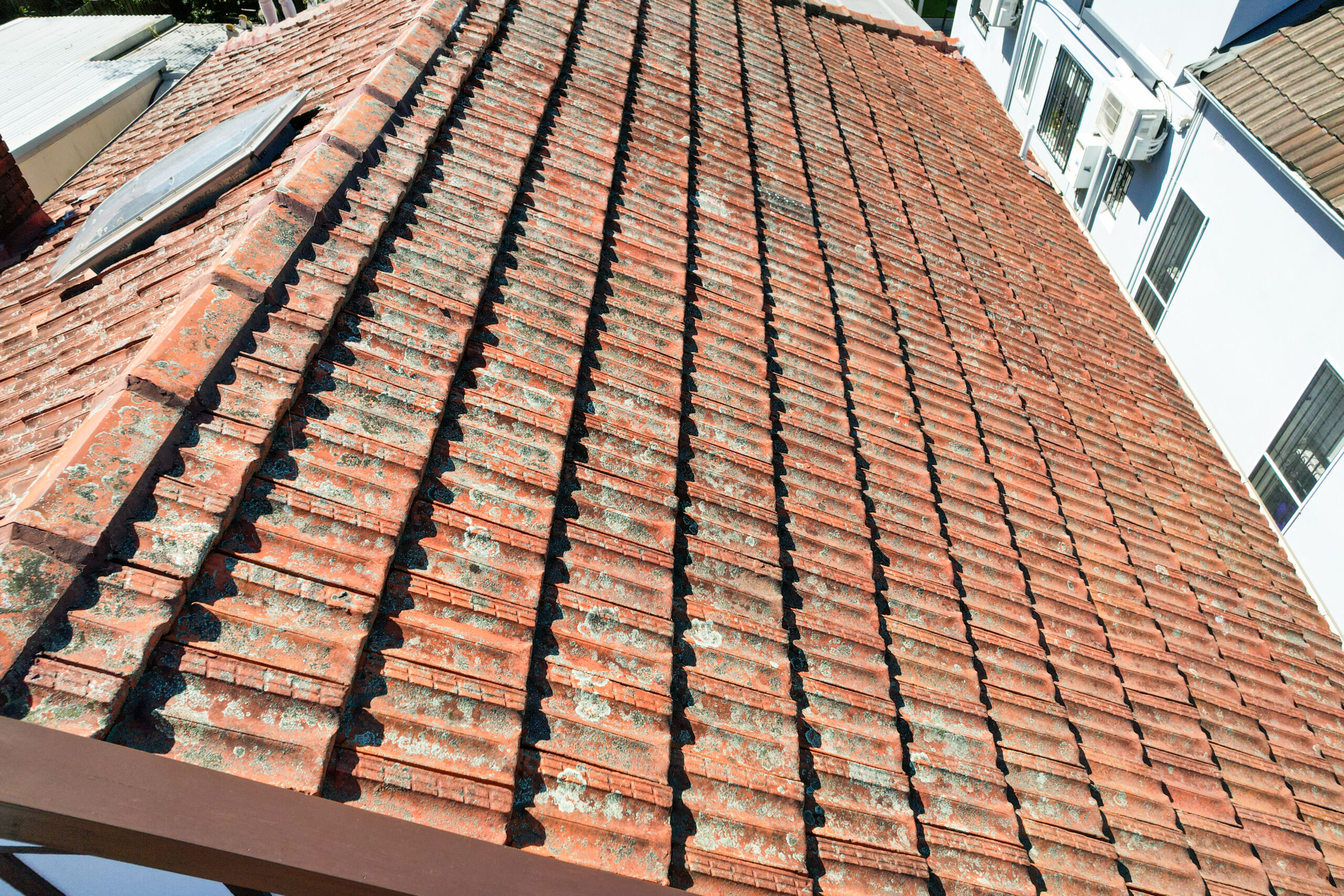
The space above your ceiling is a bit of a blind spot. It’s dark, poorly ventilated, and full of materials mould thrives on. When water enters through a damaged tile, a cracked flashing, or a worn valley, it soaks into the timber framing and insulation and just sits there.
📖 People also read about:
Because you can’t see into the cavity day to day, the problem builds quietly. We’ve opened up ceilings during a roof repair and found extensive growth that the owners had no idea about, all stemming from a leak they thought was minor. The roof surface might look fine from the ground while the trouble sits directly underneath.
The warning signs worth watching for
You don’t need to climb into the roof to spot the early clues. Keep an eye out for:
- A musty or damp smell, particularly in rooms directly below the roofline
- Brown or yellow staining on ceilings or the tops of walls
- Paint that bubbles, cracks, or peels for no obvious reason
- Dark speckled patches in corners or around ceiling vents
- Worsening allergy-type symptoms indoors, like a scratchy throat or itchy eyes
Any one of these on its own might seem harmless. Together, they usually point to moisture that has been present longer than you’d think.
Why acting quickly matters so much
Mould isn’t just a cosmetic issue. Left alone, it can weaken timber, damage insulation, and affect the air quality inside your home. For families with young children, elderly relatives, or anyone with respiratory sensitivities, that’s a genuine concern worth taking seriously.
There’s also a practical reason to move fast. The longer a leak goes untreated, the further the damage spreads, and the more you end up paying to fix it. A single cracked tile addressed early is a straightforward job. That same leak ignored for months can mean replacing framing, plasterboard, and insulation across a whole section of ceiling.
What to do if you suspect a leak
First, deal with the water. If it’s actively dripping, place a container underneath and move anything valuable out of the way. Ventilate the affected room where you can, since airflow helps slow further growth while you sort out the source.
📖 People also read about:
The important thing is to fix the actual leak, not just paint over the stain. Covering a water mark without stopping the moisture only hides the problem while it keeps growing behind the surface. This is where getting the roof properly inspected makes all the difference. A trained eye can trace the leak back to its origin, whether that’s a lifted tile, failed flashing, or a blocked gutter overflowing into the cavity.
💡 Need help?
We offer professional roof repair casula to help you achieve your goals.
Because we work on Sydney roofs every day, we know exactly where these leaks tend to hide and how weather patterns across the city put certain roof types under strain. Sorting the cause properly means the mould has nothing left to feed on.
Get ahead of the problem
Mould after a roof leak is one of those issues that only gets worse with time. The sooner the leak is found and repaired, the less damage you’re left dealing with. If you’ve noticed staining, a musty smell, or any sign of water getting in, don’t wait for it to spread.
Get in touch with the team at Tomkat Roofing for a proper look at your roof. Contact us today and we’ll help you stop the leak at its source before mould has a chance to take hold.
Fix the Leak Before Mould Spreads
Every wet day makes it worse. Book a Sydney roofer to repair the leak and keep your ceilings dry.