Choosing between a Colorbond roof and roof tiles depends on your home, budget, and local conditions, but for many Sydney homeowners, Colorbond is often the better option due to its lighter weight, lower maintenance needs, and strong performance in Australia’s harsh climate. That said, tiled roofs still have advantages in certain situations, particularly for traditional designs and thermal mass. Understanding how each roofing type performs in real Sydney conditions helps you make a confident choice.
Understanding Colorbond roofing
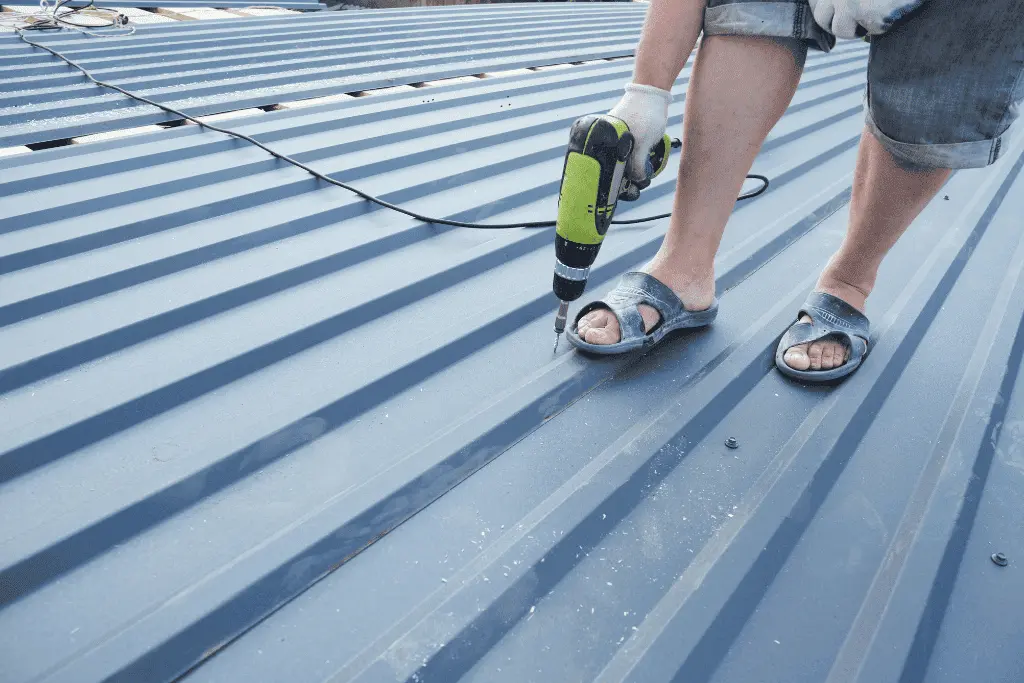
Colorbond roofing is made from high-quality steel coated with corrosion-resistant layers and baked on colour. It is designed specifically for Australian conditions, including strong sun, coastal air, and heavy rainfall. Because Colorbond sheets are lightweight, they place less stress on the roof structure and can often be installed more quickly than tiles.
For Sydney homes, especially in coastal suburbs, Colorbond’s resistance to rust and fading is a major benefit. Modern Colorbond finishes are engineered to handle UV exposure and salty air better than many older roofing materials.
Understanding tiled roofing
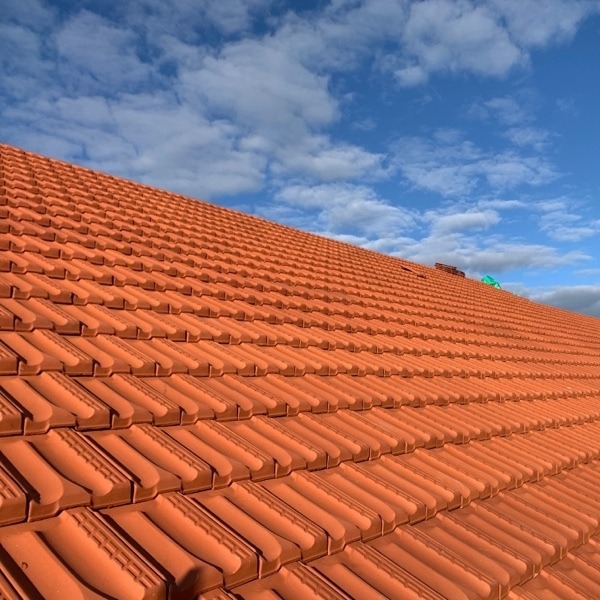
Roof tiles are commonly made from concrete or terracotta and have been used on Australian homes for decades. They are heavier than metal roofing and sit individually on battens rather than being fixed in large sheets. Tiles are known for their classic appearance and long history in suburban Sydney streets.
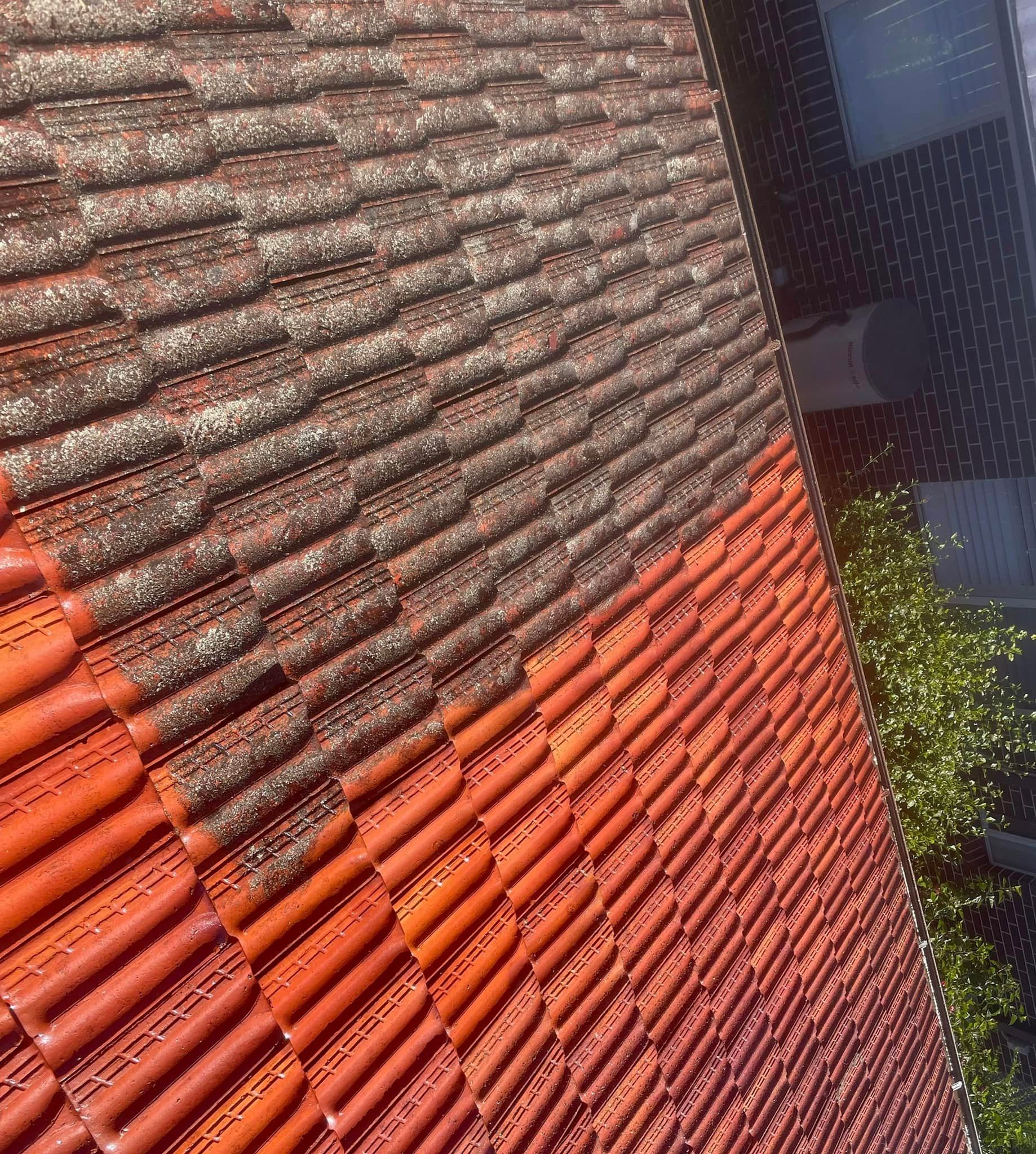
Tiled roofs can perform well when properly maintained, but they are more prone to cracking, shifting, and moss growth over time. Storms and falling branches can also dislodge tiles, leading to leaks if not addressed promptly.
Cost comparison in Sydney
Cost is often one of the first considerations. Colorbond roofing generally has a lower upfront installation cost than tiled roofing for new builds or full roof replacements. Labour costs are typically lower because installation is faster and requires fewer structural upgrades.
Tiled roofs can be more expensive initially due to material weight and labour intensity. Over the long term, maintenance costs can also add up. Replacing broken tiles, re-bedding ridge caps, and cleaning moss are common expenses for tiled roofs in Sydney.
If you are weighing up value over time, a conversation with Tomkat Roofing can help clarify which option suits your budget and property type without unwanted surprises.
📖 People also read about:
Durability and lifespan
Colorbond roofs are known for consistent performance over 40 to 70 years when installed correctly and maintained. They are less likely to crack or break and handle temperature changes well. For areas exposed to wind and storms, Colorbond sheets remain securely fixed, reducing the risk of sudden damage.
Concrete and terracotta tiles can also last many decades, but individual tiles may fail earlier. Cracked tiles can allow water entry, leading to issues with sarking, battens, and insulation. Regular roof inspections are important to keep tiled roofs performing as intended.
For homeowners wanting fewer maintenance concerns, Tomkat Roofing often recommends Colorbond for long-term reliability in Sydney conditions.
Performance in Australian weather
Sydney experiences strong sun, heavy rain, and occasional severe storms. Colorbond roofing reflects solar heat effectively when lighter colours are chosen, helping reduce heat absorption. With proper insulation, it supports comfortable indoor temperatures year-round.
Tiles offer good thermal mass, meaning they absorb heat during the day and release it slowly. This can be helpful in some settings but may also lead to retained heat during hot evenings. Tiles are also more vulnerable to wind uplift if not properly secured.
📖 People also read about:
In bushfire-prone areas, Colorbond roofing has an advantage as it is non-combustible, whereas gaps in tiled roofs can allow embers to enter roof spaces.
Appearance and design suitability
Appearance is subjective and depends on architectural style. Colorbond suits modern homes, extensions, and renovations, aiming for clean lines and contemporary colours. It is available in a wide range of finishes that suit both urban and coastal settings.
Tiles tend to suit traditional or Mediterranean-style homes and heritage areas where councils may prefer a classic look. In some cases, matching existing tiles is important to maintain street appeal.
💡 Need help?
We offer professional roof installation to help you achieve your goals.
If you are unsure which option suits your home visually and structurally, a site assessment from Tomkat Roofing can provide practical guidance based on your suburb and roof design.
Maintenance and repairs
Colorbond roofs generally require minimal maintenance beyond occasional inspections and gutter cleaning. There are no individual components to crack or slip, which reduces ongoing repair needs.
Tiled roofs need more regular attention. Broken tiles should be replaced quickly, ridge capping mortar can deteriorate, and debris buildup encourages moisture retention. Over time, this can increase repair frequency.
Book a free on-site roof assessment with Tomkat Roofing today and get expert, licensed advice on whether a Colorbond roof is better than tiles for your Sydney property.
FAQs
Is Colorbond roofing suitable for coastal Sydney homes?
Yes. Colorbond is specifically designed to resist corrosion and performs well in coastal environments when the correct grade is used.
Do tiled roofs last longer than Colorbond?
Both can last for decades, but Colorbond often requires less maintenance over its lifespan, while tiles may need ongoing repairs.
Is a Colorbond roof noisy during rain?
With proper insulation and installation, rain noise is minimal and comparable to other roofing types.
Can I replace tiles with Colorbond on an older home?
In many cases, yes. The lighter weight of Colorbond can actually reduce stress on older structures, but a professional assessment is essential.
Which roof type adds more value to a Sydney home?
Both can add value when well maintained, but Colorbond is often preferred by buyers seeking low maintenance and modern performance.