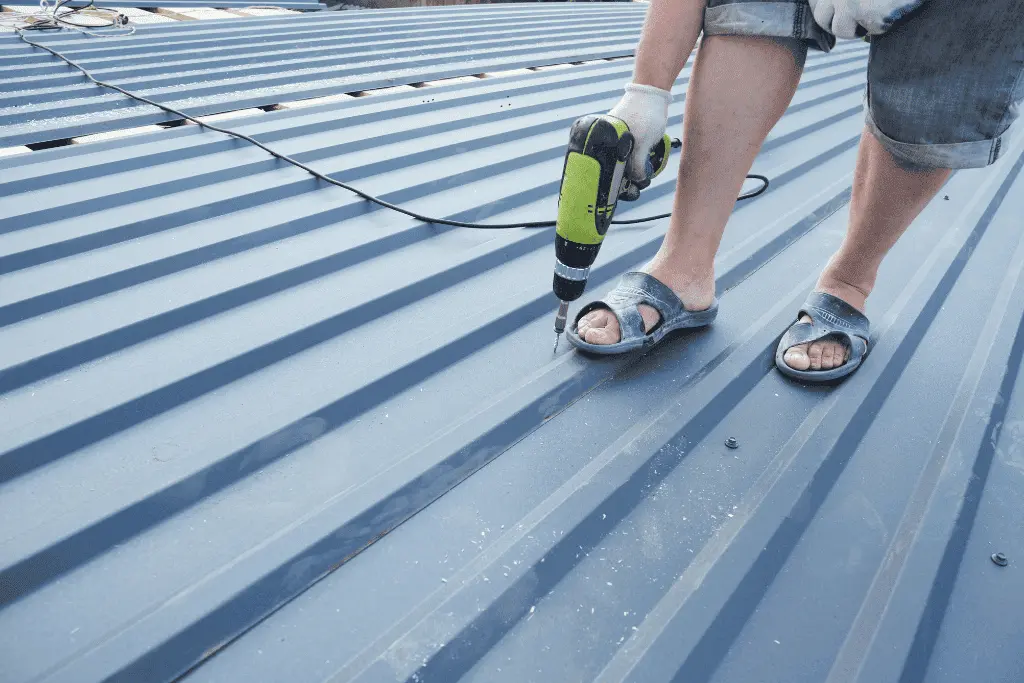

Ridge capping repairs on a tiled roof generally involve re-bedding, re-pointing, or replacing damaged sections. You can repair ridge capping by removing loose mortar, resetting the tiles, applying flexible pointing, and ensuring everything is sealed correctly. Ridge capping plays a key role in keeping rain and wind out of your home, so repairing it as soon as damage appears is essential in Australia’s weather conditions. Many Sydney homeowners notice issues after storms, such as shifting tiles or ageing mortar, so understanding how to properly fix ridge caps can help extend the life of your roof and prevent costly leaks.
What Is Ridge Capping, And Why Does It Need Repair?
Ridge capping is the line of tiles that covers the highest points of your roof where two sides meet. These tiles are held in place with bedding mortar and finished with flexible pointing. Over time, Australia’s heat, rain and occasional strong winds can cause the mortar to crack or crumble. When this happens, the ridge tiles shift or loosen, allowing water to seep under them. Early repair stops leaks, protects your roof structure and helps keep your home safe.
If you want professional support at any stage, Tomkat Roofing can provide expert guidance to Sydney homeowners.
Signs Your Ridge Capping Needs Attention
You may need to repair your ridge capping if you notice:
- Cracked or missing pointing
- Loose ridge tiles
- Gaps between the ridge cap and roof tiles
- Water stains on ceilings after rain
- Mortar crumbling or falling out
- Visible movement in ridge tiles during windy weatherIf
you see any of these, it is best to act quickly. A small gap can turn into a leak that damages insulation, ceilings and roof timbers.
Tools And Materials You Will Need
Before you begin, gather the following:
- Ladder and roof safety gear
- Hammer and chisel
- Trowel
- Broom or brush
- Bedding compound
- Flexible pointing compound
- Replacement ridge tiles if any are broken
- Mortar mixing bucket
- Water spray bottle
Always prioritise safety when working at heights. If the pitch is too steep or the tiles feel unstable, calling a licensed roof professional is safer.
Step-by-Step Guide To Repairing Ridge Capping
1. Inspect And Clear The Area
Start by checking the full ridge for damage. Remove any loose mortar with a hammer and chisel. Brush away dust and debris so the new bedding and pointing can bond properly. Clear the surrounding tiles to ensure they sit flush once the ridge caps are replaced.
2. Remove And Reset Loose Ridge Tiles
Carefully lift any ridge tiles that have become loose. Place them aside while you prepare new bedding. Avoid forcing tiles off, as older roof tiles can crack easily. Once removed, clean off the old mortar from the underside of the ridge tiles.
3. Prepare The Bedding
Mix your bedding compound to a firm but workable consistency. Apply a thick layer along the ridge line where the tile will sit. The bedding is what supports the ridge tile and keeps it aligned. Ensure the bedding layer is even so the tile sits securely without wobbling.
4. Refit The Ridge Tiles
Place the ridge tile back into the bedding and press it down gently until secure. Use a spirit level if needed to keep the ridge line straight. Continue resetting each tile along the ridge. Once completed, use a brush to smooth out any excess bedding around the edges.
5. Apply Flexible Pointing
Flexible pointing is an adhesive compound that seals the ridge tile to the roof tiles beneath. It helps absorb movement caused by heat changes and strong winds. Apply the pointing along both sides of the ridge tile using a trowel, smoothing it to a neat finish. Make sure there are no gaps.
6. Check For Consistency And Clean Up
Once all tiles are re-bedded and pointed, visually check the ridge line for levelness and sealed joints. Remove leftover mortar, c
📖 People also read about:
For homeowners who prefer expert help rather than taking on the work themselves, Tomkat Roofing offers reliable ridge capping repairs throughout Sydney.
How Long Does Ridge Capping Repair Last?
When done correctly with flexible pointing, ridge capping repairs can last 15 to 20 years. Weather exposure, roof movement and general ageing will eventually affect mortar and pointing, but proper installation ensures long-lasting protection.
Benefits Of Repairing Ridge Capping Early
Repairing ridge capping promptly offers several advantages:
- Prevents leaks and internal water damage
- Improves roof stability
- Avoids costly structural repairs
- Enhances the overall appearance of your roof
- Helps maintain your home’s value
If your ridge capping looks worn or loose, early action is always the most cost-effective approach.
The Way Forward
For safe and durable ridge capping repairs, Tomkat Roofing is trusted by many Sydney homeowners for quality workmanship.
Contact Tomkat Roofing today for expert ridge capping repairs and keep your tiled roof protected for years to come.
FAQs
How often should ridge capping be checked?
Most Sydney homes benefit from a roof inspection every two to three years, especially after major storms.
Can I repair ridge capping myself?
You can repair minor issues if you have the tools, safety gear and experience. However, working on roofs can be dangerous, and poor workmanship can cause leaks, so many homeowners choose to hire a professional.
What is the difference between bedding and pointing?
Bedding is the mortar base that holds the ridge tile in place. Pointing is the finishing adhesive layer that seals and protects the joint.
How much does ridge capping repair cost?
Costs vary depending on roof size, level of damage and tile type. A professional inspection will provide an accurate estimate.
Will flexible pointing stop future cracking?
Flexible pointing is designed to resist cracking from roof movement and weather exposure, making it a long-lasting option for ridge capping repairs.