Rust can be removed from a metal roof by cleaning the affected area, treating the corrosion with a rust neutraliser, smoothing the surface, and applying a suitable primer and topcoat. This process restores the metal, stops further deterioration, and helps extend the lifespan of your roof. Rust is common in Sydney due to coastal moisture, humidity, and ageing roofing materials, but with the right approach, you can restore your roof to a much better condition.
Why Rust Appears On Metal Roofing
Metal roofing is strong, long-lasting, and ideal for Australian homes, but it is not immune to corrosion. Rust usually forms when protective coatings wear away because of constant exposure to rain, salt air, UV rays, and debris. Screws, flashings and overlaps are often the first areas to show damage.
📖 People also read about:
Leaving rust untreated can lead to leaks, weakened structural areas, and even full roof panel replacement. Early action prevents expensive problems later.
Step 1. Inspect The Roof Safely
Before starting any rust removal work, make sure the roof is safe to walk on. Wear non-slip shoes, use appropriate roof ladders, and avoid walking on wet or unstable areas. Look for:
- Orange or brown rust patches
- Bubbling paint or lifting coatings
- Corroded screws
- Surface roughness
- Early signs of pitting
Mark the areas that need attention so you do not miss any spots during treatment.
Step 2. Clean The Roof Thoroughly
Use a stiff broom to remove loose dirt and debris. A pressure washer on a low setting helps remove grime, mould and flaking paint, but avoid high pressure close to laps and fasteners as it can force water underneath.
Cleaning prepares the surface and ensures rust treatment products bond properly.
Step 3. Remove Loose Rust
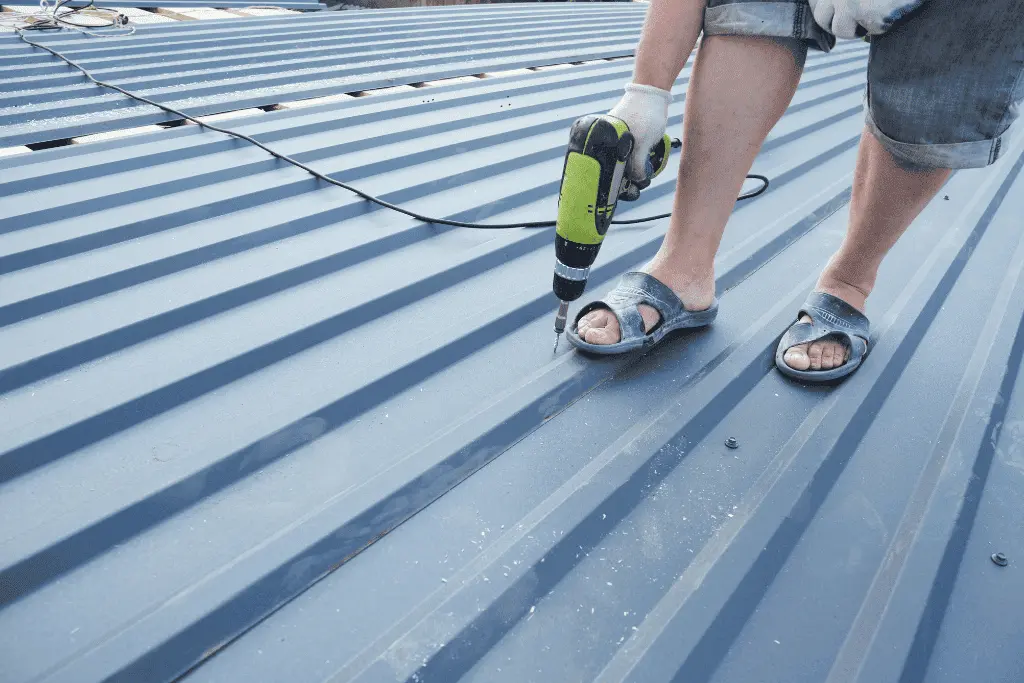
Use a wire brush, sanding block or drill-mounted wire wheel to scrub away loose rust. The aim is to achieve a smoother surface without gouging or damaging the roof sheet.
After brushing, wipe the area with a clean cloth to remove dust and leftover particles.
Step 3: Clean The Metal Roof Surface
Dirt, leaves, and old sealant can prevent the flashing from bonding correctly. Wipe the roof surface clean around the vent pipe. A smooth area ensures the flashing can sit flush and hold firmly when screwed down.
Step 4. Apply A Rust Converter Or Neutraliser
Once the loose rust is removed, apply a rust converter. This product chemically changes the rust into a stable compound, stopping further spread. Follow the product instructions carefully, allowing enough drying time.
When applied correctly, the surface will darken and become ready for priming.
Step 5. Prime The Treated Area
Use a metal roofing primer that is made for Australian outdoor conditions. Priming protects the roof and improves paint adhesion. Apply it evenly with a brush or roller and allow it to dry completely.
Skipping this step can result in future peeling or early rust return.
Step 6. Repaint The Roof With Quality Roof Paint
After the primer is dry, apply a high-quality metal roof paint. Choose a product suitable for coastal or high-moisture environments if you live in Sydney or a similar climate.
💡 Need help?
We offer professional metal roof repair sydney to help you achieve your goals.
Painting seals the treated sections and provides long-term protection. Many homeowners choose to repaint the whole roof for an even finish.
Step 7. Replace Severely Corroded Components
If any screws or flashings are heavily corroded, replace them with new galvanised or coated options. Rusted fasteners can continue to corrode even after the panels are treated, so replacement is often the best solution.
Preventing Rust From Returning
Ongoing care plays a key role in extending the life of your metal roof. Consider these maintenance tips:
- Inspect the roof annually
- Clean debris, leaves, and salt build-up
- Replace worn screws
- Maintain protective coatings
- Act quickly when new rust spots appear
A little maintenance can save a lot of money by avoiding premature roof replacement.
The Way Forward
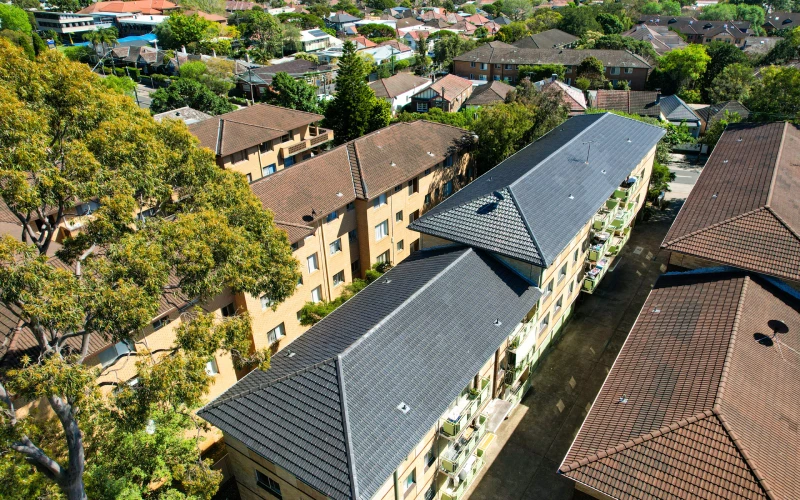
For homeowners who prefer expert care, Tomkat Roofing offers reliable rust treatment and restoration services tailored to Sydney’s conditions.
Contact Tomkat Roofing today for fast, professional metal roof rust removal and long-lasting protection for your home.
Frequently Asked Questions
How do I know if rust is serious?
If the metal has small surface rust patches, it can usually be treated. Deep pitting, holes or weak spots often indicate structural damage that may require panel replacement.
Can I paint over rust without treating it?
No. Painting over rust traps moisture and causes faster deterioration. Always remove loose rust and apply a rust converter and primer first.
Is pressure washing safe for metal roofs?
Yes, as long as you use a low-pressure setting and avoid directing water under laps or flashings. High pressure too close to the surface can damage coatings.
How often should I check my metal roof for rust?
Inspect your metal roof at least once a year, especially if you live near the coast where salt air increases corrosion.
What if the rust keeps coming back?
Recurring rust usually means the protective coating has broken down or the roof is nearing the end of its lifespan. A roofing professional like Tomkat Roofing can assess whether repairs or replacement are needed.