Install custom metal flashing that matches your roof profile, seal all edges with silicone sealant, and ensure proper overlap to direct water away from the skylight opening. Tomkat Roofing’s approach prevents leaks and protects your roof’s integrity through precise fabrication and expert installation.
What Is Skylight Flashing Installation and Why Does It Matter?
- Waterproof barrier – Flashing creates a sealed junction between the skylight frame and metal roof panels, preventing water infiltration during heavy rain
- Profile matching – Custom flashing must conform to your specific metal roof profile (corrugated, standing seam, or ribbed) for proper fit
- Layered protection – Install base flashing first, then step flashing on sides, and head flashing last to create overlapping water channels
- Sealant application – High-grade silicone or butyl tape seals all flashing edges and fastener penetrations against moisture entry
- Long-term durability – Proper installation prevents rust, rot, and ceiling damage that costs thousands to repair later
Why Should You Care About Professional Skylight Flashing?
- Sydney weather demands – Heavy rainfall and storms require expert waterproofing techniques specific to Australian climate conditions
- Colorbond compatibility – Professional installers use matching Colorbond flashing that coordinates with your existing roof colour and material grade
- Licensed expertise – Our metal roofing Sydney specialists ensure compliance with Australian building standards and manufacturer warranties
- Avoid costly mistakes – DIY flashing errors cause internal water damage, ceiling stains, and voided skylight warranties within months
- Safety assurance – Working on metal roofs requires proper safety equipment and training to prevent falls and injuries
How Does Tomkat Roofing Handle Skylight Installation Differently?
- Comprehensive inspection – We assess roof structure, pitch, and existing waterproofing before recommending skylight placement and flashing solutions
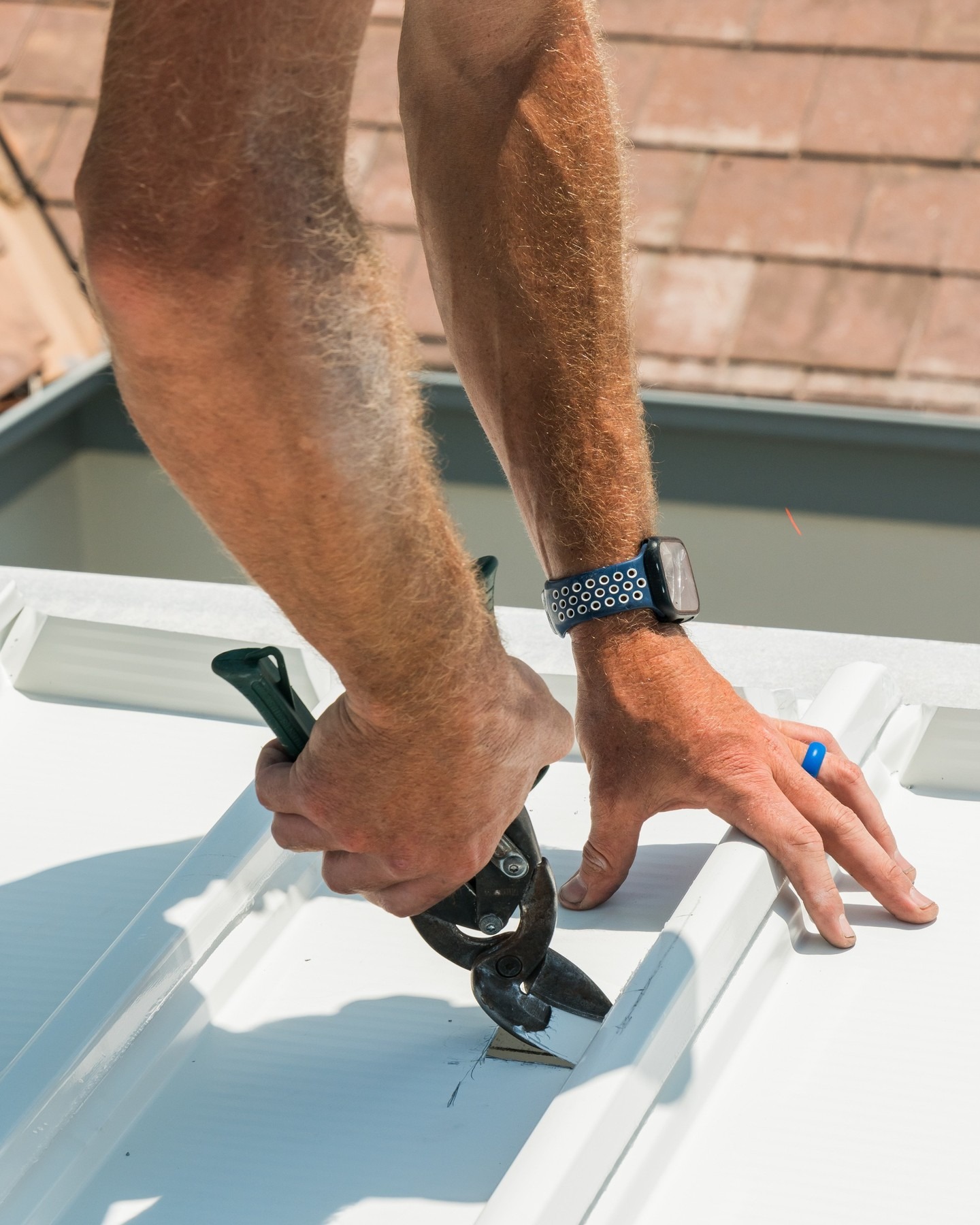
- Custom fabrication – Our team fabricates precise flashing pieces on-site that perfectly match your metal roof’s unique profile and dimensions
- Quality materials only – We exclusively use genuine Colorbond steel and premium sealants designed for Australian conditions and backed by manufacturer warranties
- Meticulous installation – Every fastener placement, overlap measurement, and seal application follows strict protocols to eliminate potential leak points
- Post-installation guarantee – We conduct thorough inspections with homeowners and provide detailed maintenance guidance to ensure lasting performance
Don’t risk water damage from improper skylight flashing Tomkat Roofing’s licensed specialists deliver waterproof installations backed by comprehensive warranties. Get In Touch today for your free inspection and expert assessment.
FAQ-
1. Can you install a skylight on an existing metal roof?
Yes, skylights can be installed on existing metal roofs with proper planning. The process involves cutting an opening in the roof panels, reinforcing the frame, and installing custom flashing that matches your roof profile. Tomkat Roofing’s team assesses the roof structure first to ensure adequate support and identifies the best placement to avoid structural beams and maintain waterproofing integrity.
2. What type of flashing is best for metal roof skylights?
Custom-fabricated metal flashing made from Colorbond steel is ideal for Australian metal roofs. This material matches your existing roof colour, expands and contracts at the same rate as your roof panels, and resists corrosion in Sydney’s coastal climate. The flashing should include base, step, and head pieces that create overlapping layers to channel water away from the skylight opening effectively.
3. What causes skylight flashing to leak?
Common leak causes include incorrect overlap sequencing, inadequate sealant application, mismatched flashing profiles, and improper fastener placement. Sydney’s heavy rainfall quickly exposes poor installation through water stains on ceilings. Using generic flashing kits instead of custom-fabricated pieces often creates gaps where water penetrates. Professional installers understand how water flows across metal roof profiles and position flashing accordingly.