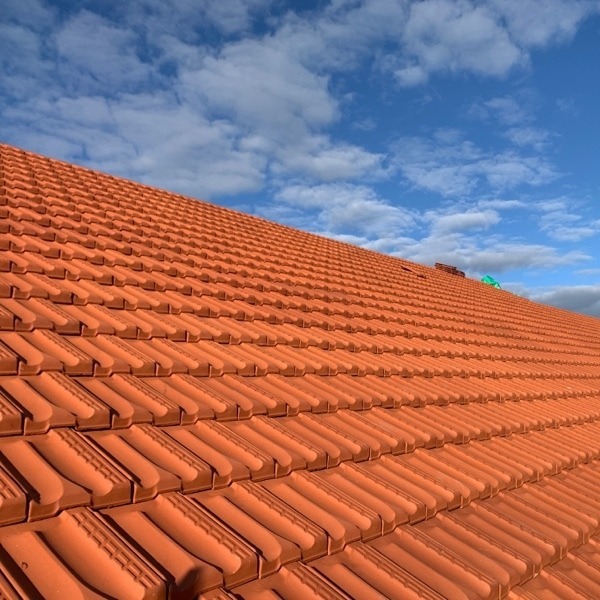
Terracotta roof tiles commonly last 50 to 100 years in Australian conditions when they are well installed and properly cared for. In Sydney and along the coast, many homes still carry original terracotta roofs that have protected properties for decades. The clay is kiln-fired, giving it natural strength and colour that does not fade easily under harsh sun, salt air, or heavy rain.
What affects the lifespan of terracotta roof tiles?
While terracotta tiles are known for long service life, several factors influence how long they perform on an Australian roof.
Climate and locatio
Australia’s weather can be demanding. Strong UV exposure, coastal salt, storms, and sudden temperature changes all play a part. In Sydney, terracotta tiles generally cope well, though homes close to the ocean may experience faster wear on fixings and ridge capping rather than the tiles themselves.
Installation qualit
Correct installation is critical. Tiles must be laid with proper spacing, fixings, and underlay. Poor workmanship can shorten roof life due to movement, cracking, or water entry. Many early tile failures come back to installation issues rather than the tile material.
Roof pitch and desig
Steeper roofs shed water faster and tend to age better. Low pitch roofs hold moisture for longer, which can affect battens and sarking underneath, even if the tiles remain sound.
Maintenance habit
Terracotta tiles are low maintenance, not no maintenance. Regular inspections help identify cracked tiles, mortar wear, or blocked valleys before they cause damage.
Why terracotta performs well in Australia
Terracotta is made from natural clay, fired at high temperatures. This process gives tiles excellent resistance to heat and UV radiation. Unlike some concrete tiles, terracotta does not rely on surface coatings for colour. The colour runs through the tile, so fading is minimal even after decades in strong sun.
Terracotta also breathes well, allowing moisture to escape. This helps regulate roof temperature and reduces condensation risks in Australian homes, particularly during humid Sydney summers.
If you are unsure about the current condition of your roof, a visual check by a licensed roofer can provide clarity. Tomkat Roofing regularly inspects older terracotta roofs across Sydney suburbs and often finds tiles that are still structurally sound after many years.
Maintenance tips to extend tile life
Simple care can help terracotta tiles reach their full lifespan.
📖 People also read about:
Regular roof inspection
Have your roof checked every two to three years, or after major storms. Early repairs cost far less than large-scale restoration.
Replace cracked tiles promptl
Cracks allow water entry and place stress on surrounding tiles. Replacing individual tiles is quick and protects the roof structure below.
Maintain ridge capping and pointin
Mortar and flexible pointing tend to wear faster than terracotta tiles. Keeping ridges in good condition prevents movement and leaks.
Keep gutters and valleys clear
Blocked drainage causes water to back up under tiles. Clear gutters support overall roof health.
Homeowners often contact Tomkat Roofing for advice on whether a repair or a broader service is needed. A professional opinion can save unnecessary replacement costs.
📖 People also read about:
Signs your terracotta roof may need replacement
Even with long life, terracotta roofs do not last forever. Watch for these warning signs.
Frequent tile breakage across multiple areas
Widespread water leaks not solved by minor repairs
Sagging roof lines or timber damage beneath tiles
Severely deteriorated battens or sarking found during inspection
In many cases, the tiles themselves are still usable, and a re roof using existing terracotta may be possible. A Sydney roofing specialist can advise on the best option.
Terracotta tiles versus other roofing materials
Compared to concrete tiles, terracotta often lasts longer due to its firing process and colour stability. Metal roofs have long service life as well, though they offer different thermal and acoustic properties.
Terracotta remains popular in Australia for heritage homes, Mediterranean designs, and homeowners who value long-term performance with a classic appearance.
💡 Need help?
We offer professional roof installation to help you achieve your goals.
If you are planning future roof work, a consultation with Tomkat Roofing can help you assess whether terracotta remains the right choice for your property and budget.
When to seek professional advice
If your roof is over 40 years old and has not been inspected recently, it is wise to arrange a professional check. A licensed roofer can assess tile condition, underlay, fixings, and drainage.
For homeowners wanting clear answers without pressure, Tomkat Roofing offers honest assessments backed by local experience.
Contact Tomkat Roofing today to book a professional terracotta roof inspection and receive clear advice on repairs or replacement.
FAQs
Are clay roof tiles more expensive than concrete?
Yes, clay tiles usually have a higher upfront cost. However, their longer lifespan and lower maintenance needs can make them more economical over time.
Do clay roof tiles crack easily?
Modern clay tiles are highly durable. When installed correctly, they resist cracking and perform well under normal foot traffic during maintenance.
Are concrete tiles suitable for coastal Sydney areas?
Concrete tiles can be used near the coast, but they require proper sealing and maintenance due to salt exposure. Clay tiles generally cope better with coastal conditions.
Which tiles are better for resale value?
Clay tiles often add perceived value due to their longevity and appearance. Buyers may see them as a premium roofing option.
Can I replace concrete tiles with clay tiles on an existing roof?
In many cases, yes. A structural assessment is essential to confirm suitability. Tomkat Roofing can assess your roof frame and advise on the best approach.