There’s nothing worse than finishing a roof job, only to have rainwater drip behind your gutters later. It’s a common frustration, especially when water damage creeps in silently, turning small issues into expensive repairs. Let’s talk about how to avoid that.
Getting the right overhang on a metal roof sounds simple, but there’s a sweet spot that’s easy to miss. Go too short, and water overshoots your gutters; go too far,and wind can lift the edges or cause sagging over time.
If you’re a Sydney property owner counting on your roof to do its job, we’re here to help make sure it does. At TomKat Roofing, we help you get this detail right-protecting your home with precision and care.
How Far Should a Metal Roof Overhang Gutters
Water spilling past your gutters isn’t just annoying-it silently damages fascia boards, garden beds, and even foundations. Hitting the right overhang for your metal roof keeps your gutters working smoothly and your home safe year-round.
Standard Overhang Measurements
Exactness matters when setting up the roof overhang-too far, and wind becomes a problem; too short, and water misses the gutter entirely. The sweet spot for residential buildings usually sits between 25mm and 50mm, while commercial installs stretch slightly further at 38mm–75mm. In our experience across hundreds of Sydney homes, keeping the overhang in the optimal zone between 32mm and 38mm delivers the best balance of protection and durability.
Roof Pitch Considerations
The angle of your roof quietly shapes how your gutter handles rainfall. Steeper slopes shed water quickly, requiring a tighter overhang of 25–32mm. Medium pitches favour 32–38mm coverage, while low slopes slow down runoff and need 38–50mm to prevent overshooting. Every pitch reacts differently, so we always check this during inspections before making final adjustments.
Factors That Influence Metal Roof Overhang
No two metal roofs are built alike, and several factors tweak how far that sheet should extend. From gutter size to wind strength, every decision ties into overall protection and performance.
Gutter Size and Compatibility
Your gutter’s width plays a big role in how far the roof should stretch over it. A 125mm gutter thrives with an overhang of 32–38mm, but scale up to a 150mm gutter and you’ll need 38–50mm to stay efficient. If your setup includes box gutters, like in many commercial projects, a higher overhang between 50–75mm offers safe water capture without risk of overflow.
Roofing Material and Profile
Not all metal roofs behave the same. Corrugated designs often require more generous overhangs due to their curves, pushing water outward. Standing seam panels usually demand less because their smooth lines drain more vertically. The thickness of your metal also matters-a heavier profile adds weight that affects how runoff lands, especially in areas prone to wind or splashback.
Weather and Climate Adjustments
Sydney’s weather has quite the personality, stormy weeks, dry spells, and then pouring rain all in a single season. We adjust overhangs depending on the location-specific climate. In high-rainfall areas, we recommend pushing toward the maximum advised range. High-wind zones lean toward middle values to cut lift risk. In snowy conditions further south, we increase the pitch and supplement overhang moderately to manage meltwater safely.
Avoiding Common Installation Mistakes
Even a small misstep during roof installation can trigger long-term gutter issues. Precise setup helps protect your home from surprise leaks or structural damage.
✔ Overhang Extremes
Going too short or overshooting the limit creates trouble. An overhang less than 25mm often leads to rain tracking behind the gutter, which can rot fascia timber. Too long, beyond 75 mm, and the wind starts pulling at the sheets, loosening fasteners or causing rattling. Accurate installation keeps the weather in its place while sending water where it’s meant to go.
✔ Drip Edge Essentials
Drip edges are unsung heroes of metal roofing. We fit ours with a 25mm extension past the fascia, set at a 100–120 degree angle. This lets water fall cleanly into the gutter rather than run back along the edge. Placing underlayment correctly beneath the metal and above the drip edge also stops water from seeping underneath the panels unnoticed.
✔ Energy and Comfort
Lighter metal colours reflect heat, which helps summer comfort. Tiles provide strong thermal mass and acoustic benefits. Choose based on orientation, shade, and suburban conditions.
Installation Tips and Measurement Guide
Good preparation reduces future repairs. Taking proper measurements and using the right tools ensures your roof and gutter work hand in hand from the start.
Key Measuring Points
We always measure from the sheet’s drip edge to the inside back of the gutter, keeping an allowance for panel expansion over time. It’s also important not to ignore the gutter slope; at least 1:200 ensures water flows toward the downpipe without pooling or backflow.
Tools Required
We rely on accurate gear to get rooftop work done right. Chalk lines mark clean cut lines, lasers check gutter fall, and spirit levels help during alignment. We use tape measures for fine tweaks and roof staging tools to handle panels safely. Safety gear never comes off, off-especially during multi-storey or steep-pitch installs.

Gutter Installation and Support Systems
Installing gutters isn’t just about screwing brackets into place. Proper placement supports long-term flow performance and keeps water away from external walls.
✔ Gutter Placement
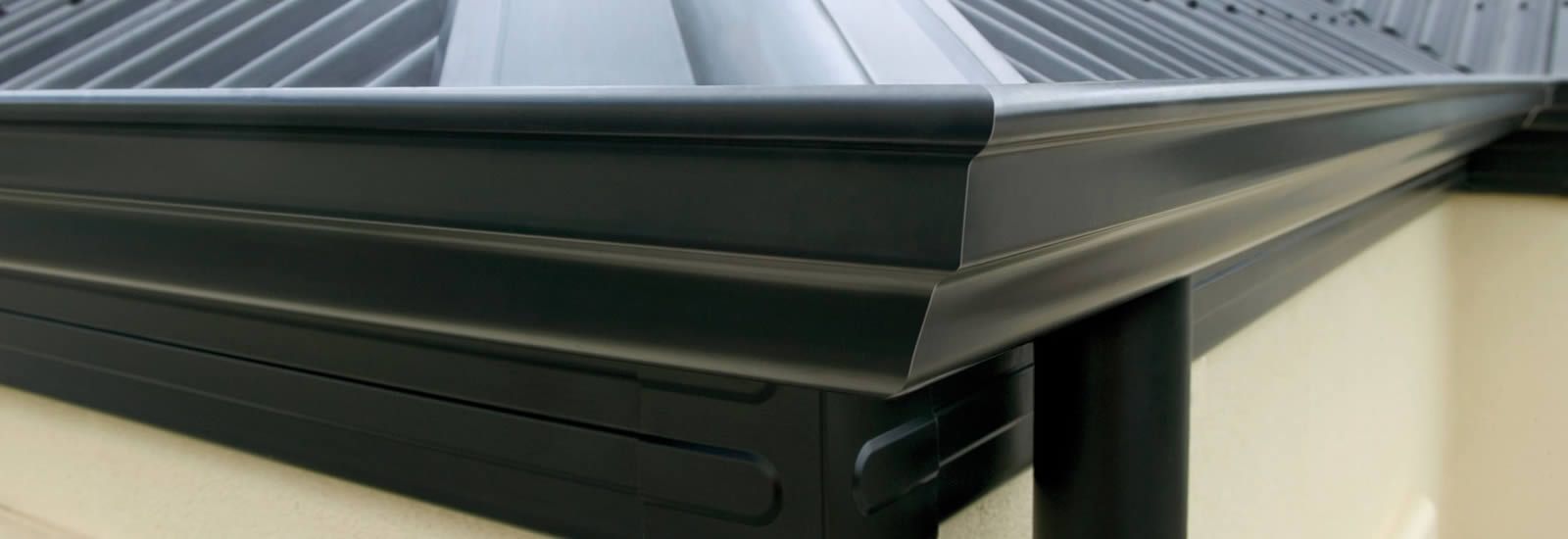
A well-placed gutter should tuck 25–32mm under the roof’s drip edge. This allows runoff to drop neatly, even during storms. We maintain consistent fall toward each downpipe and line up the gutters cleanly against panel expansion joints so nothing buckles or leaks over time.
✔ Gutter Types and Fit
Different roof setups call for different gutter styles. For most Sydney homes, K-style gutters give a tight fit and a modern look. Commercial sites lean toward box gutters to handle heavy flow. Heritage properties appreciate half-round options, especially where external styling matters as much as function.
When to Use Professional Roofing Support
Some tasks suit a ladder and a good pair of gloves. Others need licensed professionals trained to manage complexity, safety, and compliance with Australian standards.
Specialist Scenarios
Rooflines with awkward angles or steep drops are better left to experts-especially since even small errors cause costly water issues later. High work demands gear and training to prevent injuries. If you’re dealing with insurance claims or code inspections, we make the process smooth, compliant, and stress-free from start to clean-up.
FAQs
How far should roof sheets overhang gutters in Australia?
Most metal roof sheets should overhang gutters by 32–38mm for a proper balance of water control and stability.
What’s the ideal overhang if using box gutters?
For box gutters, aim for an overhang of about 50–75mm to handle high rainfall without spillage or erosion.
Can the overhang be adjusted after installation?
Yes, but adjustments may involve removing and refitting panels or drip edges, which should be done by professionals.
Do different roof profiles require different overhang lengths?
Absolutely. Corrugated metal needs more overhang than a standing seam due to how water flows from each structure.
Is eave overhang the same as drip edge overhang?
No. Eave overhang refers to how much the roof extends beyond the walls. Drip edge overhang relates specifically to gutter alignment.
Why Choose Us at Tomkat Roofing
For over 20 years, we’ve been perfecting the details that keep Sydney homes dry, safe, and storm-ready. With award-winning service and a local team led by Tom Stephens, we don’t leave until every roofline is right. Whether you’re protecting family, rental property, or a heritage building, treat every project with the same commitment to quality. Emergency patch-ups, full replacements, or just honest advice-you’ll always get straight answers and high standards.
When Rain Hits Hard, Precision Keeps You Dry
Getting this small detail wrong can quickly snowball into water damage, mould growth, and expensive repair headaches down the line. It all comes down to guiding water exactly where it needs to go – off the roof and straight through the gutters, every single time. At TomKat Roofing, we take care of these crucial details for you, so you can relax knowing your home is protected.
Let’s talk about your roof-book for your free inspection today.