When heavy rain hits Sydney, there’s nothing quite like the sound of water drumming against your roof. But have you ever wondered how those tiles above your head actually keep thousands of litres of water from pouring into your living room? It’s not magic, it’s clever roofing design that’s been refined over centuries.
Knowing how roof tiles keep water out isn’t just interesting, it can help you spot potential problems before they turn into expensive repairs. Let’s break down the science and design behind this essential home protection system.
The Overlapping Tile Design: Your First Line of Defence
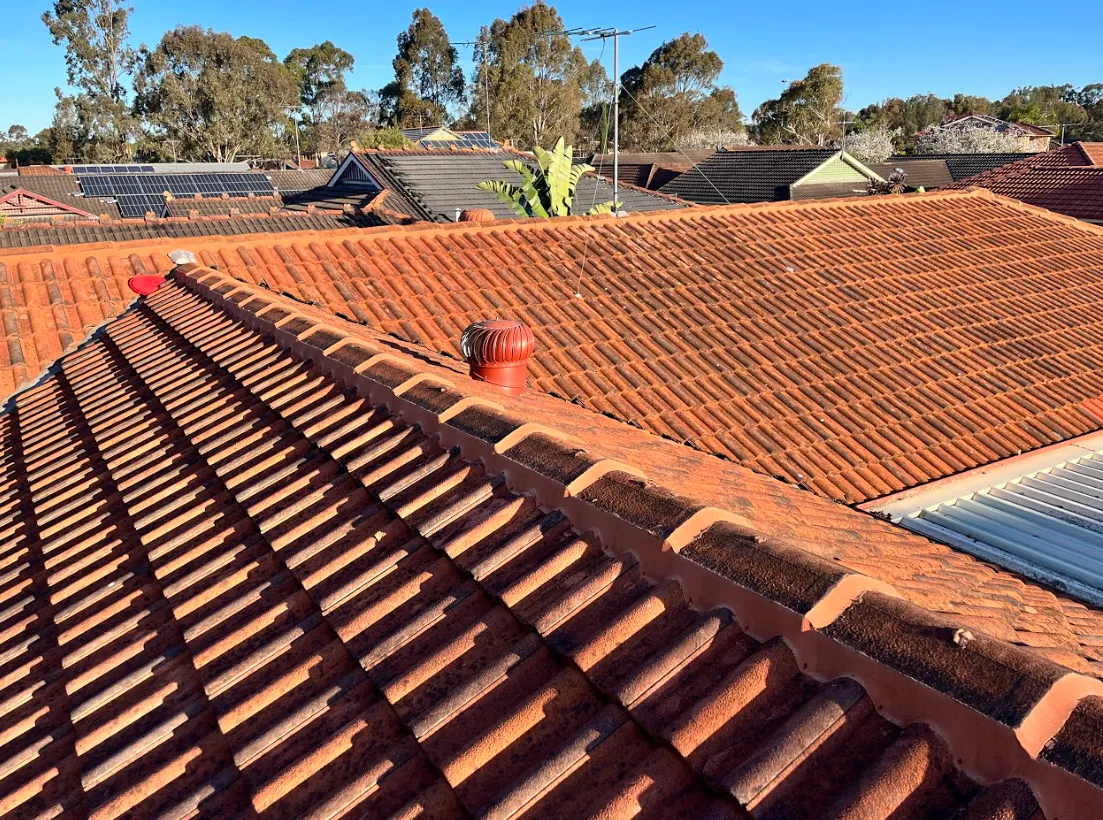
The secret to how roof tiles keep water out starts with one simple principle: overlapping. Unlike a flat surface, roof tiles are laid in a way that creates multiple layers of protection.
Each tile overlaps the one below it, similar to how scales protect a fish. When rainwater hits your roof, it runs down the surface of the top tile and flows onto the tile below, never finding a direct path through to the roof structure underneath.
This overlapping pattern is called the “lap”, and it’s carefully calculated during installation. In Sydney, where we can get sudden downpours and wind-driven rain, proper overlap is necessary. Too little overlap, and water can be forced underneath during storms.
The Hidden Hero: Underlayment
While the tiles get all the attention, there’s an unsung hero working quietly beneath them. The underlayment, also known as a waterproof membrane or sarking, acts as your roof’s safety net.
Think of the underlayment as a second line of defence. Even though properly installed tiles should keep most water out, the underlayment catches any moisture that does sneak through. This waterproof layer sits directly on your roof deck and beneath the tiles, so that even if water gets past the tiles, it won’t reach your ceiling or insulation.
📖 People also read about:
Modern underlayments are typically made from breathable materials that allow moisture vapour to escape while keeping liquid water out. This is particularly useful in Sydney’s humid climate, where trapped moisture can lead to mould and timber rot.
Roof Pitch: Gravity Does the Heavy Lifting
Here’s a question: why aren’t roofs flat? The answer lies in how roof tiles keep water out effectively. Roof pitch, or slope, is one of the most important elements in the entire system.
Gravity is your roof’s best friend. When tiles are installed on a pitched surface, water naturally flows downward towards the gutters. The steeper the pitch, the faster water moves off the roof, giving it less time to find weak spots or be driven under tiles by strong winds.
In Sydney, most tile roofs have a minimum pitch of around 15 to 20 degrees. This isn’t random. It’s the sweet spot where water drains efficiently without requiring an excessively steep roof structure.
Material Matters: Not All Tiles Are Created Equal
When it comes to how roof tiles keep water out, the material itself plays a big role.
📖 People also read about:
Terracotta Tiles: Made from fired clay, terracotta tiles have been used for centuries. They naturally shed water because of their hard, glazed surface. While they can absorb small amounts of moisture, they release it quickly when conditions dry out. Quality terracotta tiles can last over 50 years when properly maintained.
Concrete Tiles: More affordable than terracotta, concrete tiles are incredibly durable and come in various profiles and colours. Interestingly, concrete tiles actually become less porous over time. Exposure to heat and weather causes ongoing hardening, making them more water-resistant as they age.
Both materials rely on the same basic principles (overlapping, proper pitch, and underlayment), but they handle Sydney’s weather conditions slightly differently.
The Complete System: It All Works Together
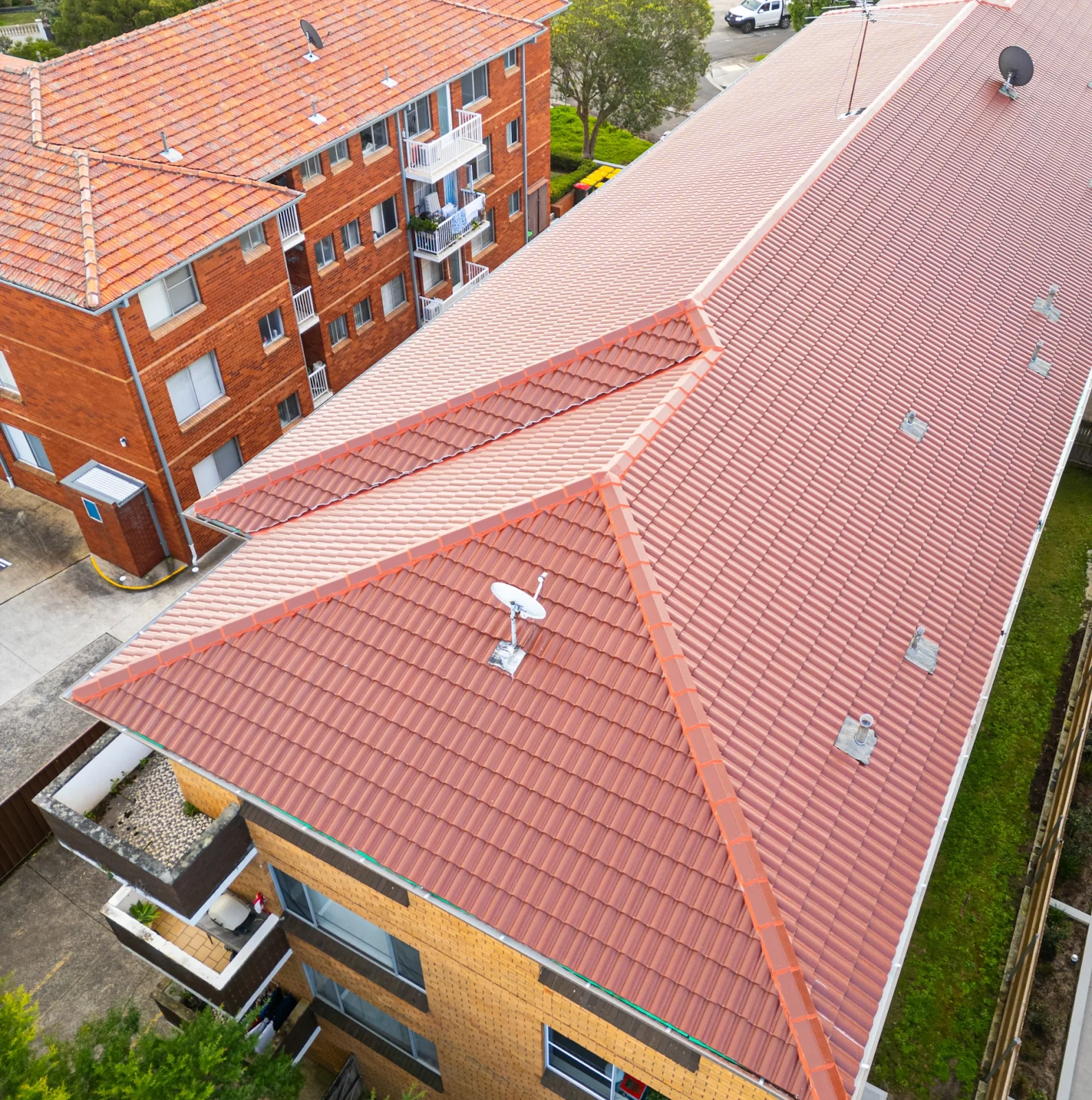
Learning how roof tiles keep water out reveals something: it’s not just about the tiles themselves. It’s about the complete roofing system working in harmony.
💡 Need help?
We offer professional roof installation to help you achieve your goals.
Your roof is like a well-rehearsed orchestra. The tiles create the visible barrier and shed most of the water. The underlayment catches anything that gets through. The pitch keeps water moving. The flashing seals the vulnerable spots. And proper installation makes sure every component does its job correctly.
This is why professional installation matters so much. One mistake in tile overlap, underlayment placement, or flashing installation can lead to leaks that cost thousands to repair.
Keep Your Roof System Working as Designed
Now that you know the clever design behind how roof tiles keep water out, you can see why regular maintenance is so necessary. Debris-clogged gutters, cracked tiles, damaged flashing, or worn underlayment can all compromise this carefully designed system.
If you notice water stains on your ceiling, missing tiles, or have concerns about your roof’s performance during Sydney’s storms, don’t wait for small problems to become major disasters.
At Tomkat Roofing, we specialise in keeping Sydney roofs watertight and working exactly as designed. Our licensed team provides thorough roof inspections, identifies potential issues before they cause damage, and delivers quality repairs and replacements built to handle Sydney’s unique weather.
Book your free roof inspection today and have peace of mind knowing your home is protected by professionals who know every layer of your roofing system. Contact Tomkat Roofing for a no-obligation quote and experience the difference of award-winning service.