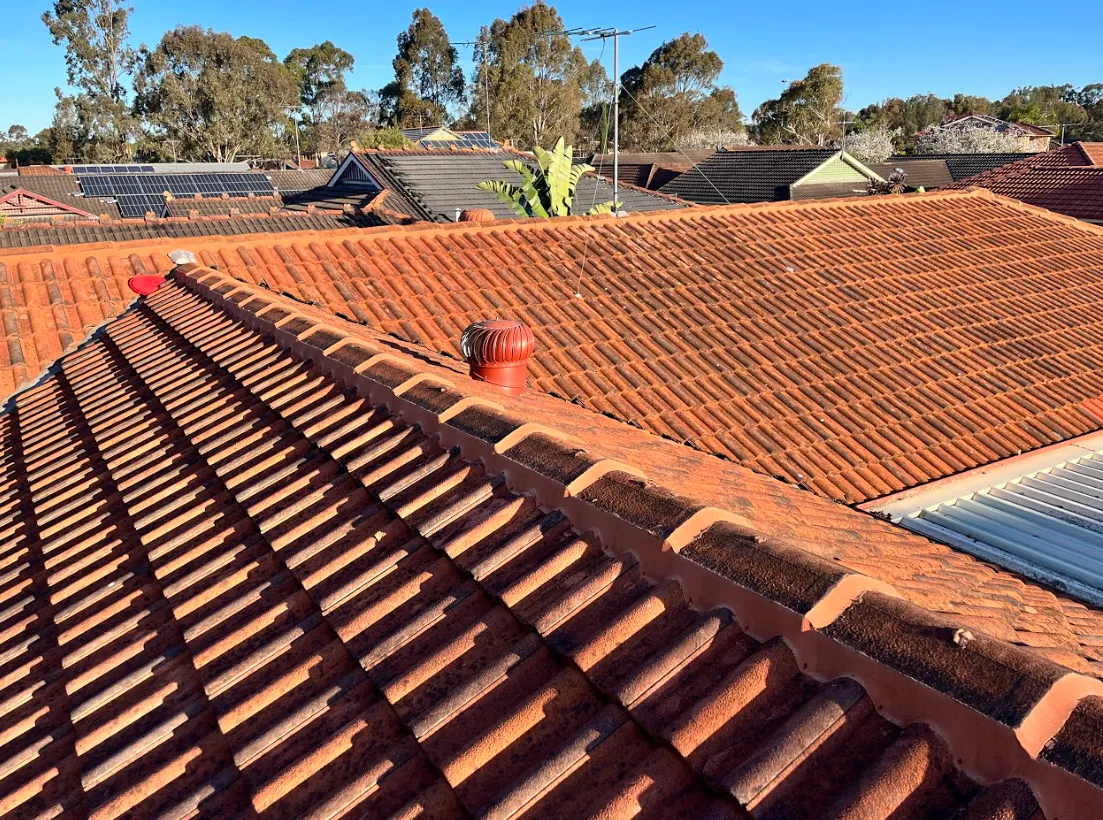
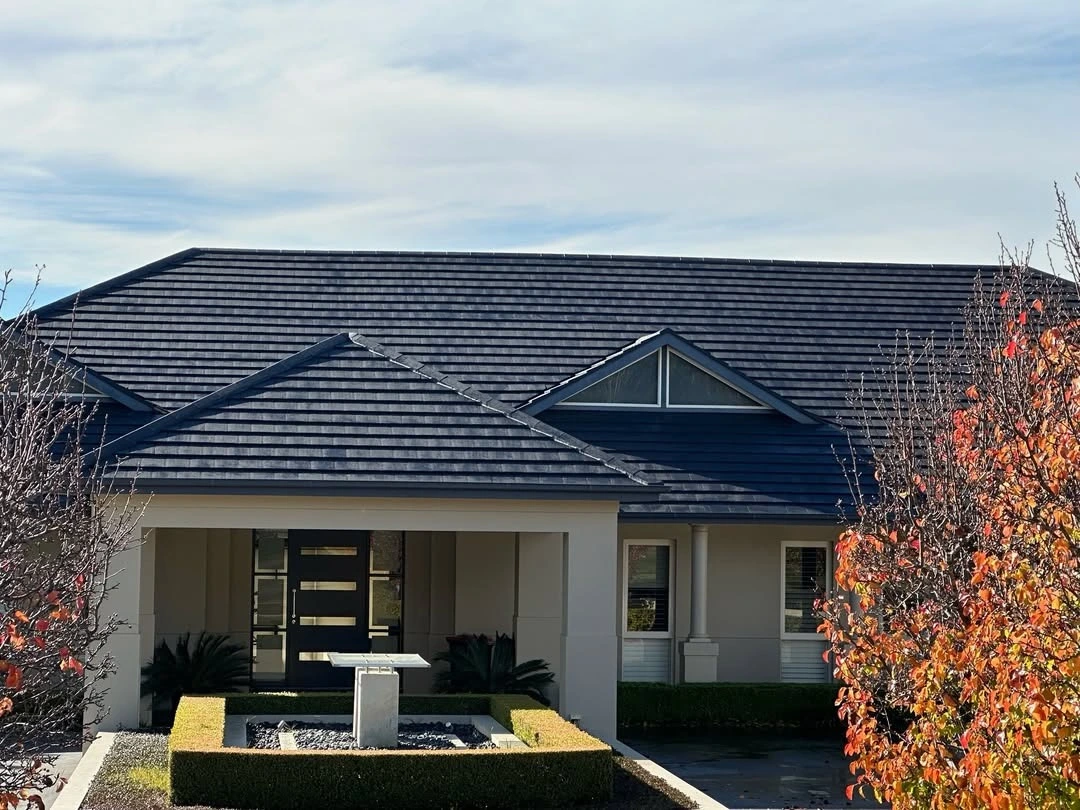
If you’ve had your tiled roof for 15 years or more, you might be wondering whether those tiles are becoming porous and if that’s something to worry about. It’s a common concern for Sydney homeowners, especially after hearing from roofing companies that porous tiles need immediate attention.
The truth about tile porosity is more nuanced than many realise. Let’s clear up the confusion and help you understand what’s really happening with your roof.
What Does “Porous” Actually Mean for Roof Tiles?
Porosity refers to tiny gaps or holes in the surface of roof tiles that can absorb small amounts of water. Both concrete and terracotta tiles have some level of natural porosity, but this doesn’t automatically mean your roof will leak.
Think of it like a sponge. Roof tiles can absorb a small amount of moisture that typically evaporates harmlessly in Sydney’s climate. The real question isn’t whether your tiles are porous, but whether that porosity is causing actual problems.
Do Concrete Roof Tiles Become More Porous Over Time?
Here’s where it gets interesting. Concrete roof tiles actually become stronger and less porous as they age, not weaker.
Concrete is a cementitious material that continues to cure and harden when exposed to sunlight and weather conditions. Over the years, your concrete tiles are essentially getting tougher, becoming more resilient against the elements.
What does change is the protective coating. Most concrete tiles come with a factory-applied coating that gives them colour and a smooth finish. This coating can wear down after 15-25 years of exposure to Sydney’s harsh sun, rain and coastal conditions. When the coating deteriorates, the natural texture of the concrete becomes visible, giving the appearance of increased porosity.
The key point: Even if the coating has worn off, properly installed concrete tiles that aren’t cracked or broken will not leak.
What About Terracotta Tiles?
Terracotta tiles follow a similar pattern. Made from baked clay, these tiles are naturally porous in their unglazed state. Most terracotta tiles come with a glazed coating that seals the surface.
While the glaze may gradually wear away over decades, the tiles themselves don’t revert to a more porous state. Terracotta tiles are incredibly durable and can last 50-100 years or more when properly maintained.
When Should You Actually Worry About Porous Tiles?
Porosity alone isn’t the issue. Here’s what you should genuinely be concerned about:
Visible damage: Cracked, broken or displaced tiles are real problems that need fixing regardless of porosity.
📖 People also read about:
Dirt and moss accumulation: Porous surfaces can collect debris, which may eventually lead to water pooling or organic growth.
Interior leaks: If water is entering your home, the problem is likely damaged tiles or faulty flashing, not simple porosity.
Weakened tiles: In areas with freeze-thaw cycles (less common in Sydney), water trapped in pores can expand and crack tiles.
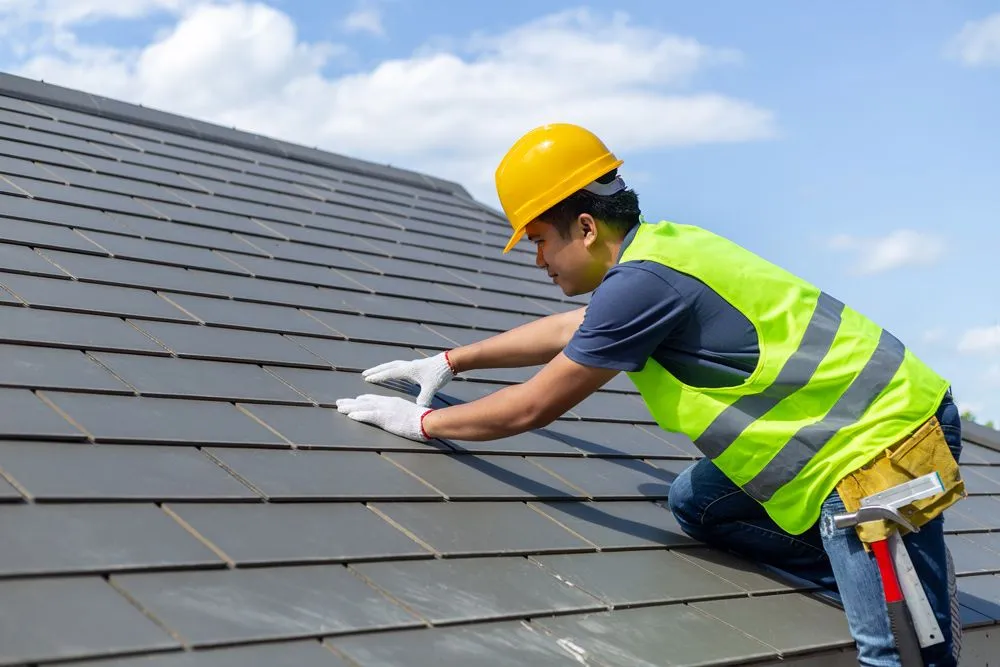
The Truth About Roof Tile Sealing and Re-coating
You may have been told that your porous tiles need immediate re-sealing to prevent leaks. While re-coating can have benefits, leak prevention isn’t really one of them.
What re-coating actually does:
✔ Improves the aesthetic appearance of your roof
✔ Fills minor surface imperfections
✔ Provides UV protection
✔ Can extend the life of the protective layer
What it doesn’t do:
✔ Prevent leaks (proper installation and intact tiles do that)
✔ Fix structural problems
✔ Replace broken or damaged tiles
Re-coating is essentially a cosmetic and protective maintenance procedure. It’s beneficial for extending your roof’s appearance and providing an extra layer of weather protection, but it’s not an emergency repair.
Maintaining Your Tiled Roof in Sydney
Rather than worrying about porosity, focus on these practical maintenance steps:
Schedule annual inspections: A professional roofing contractor can spot genuine issues like damaged tiles, faulty flashing or gutter problems before they cause leaks.
Keep gutters clear: Blocked gutters force water to pool on your roof, which can seep under tiles regardless of porosity.
Replace damaged tiles promptly: Cracked or broken tiles should be replaced as soon as possible to maintain your roof’s weather-tight integrity.
📖 People also read about:
Consider professional cleaning: Removing moss, lichen and debris helps prevent moisture retention and maintains your roof’s appearance.
Check after severe weather: Sydney storms can dislodge tiles or damage flashing. A quick visual check after extreme weather can catch problems early.
Sydney’s Climate and Your Roof Tiles
Sydney’s climate presents unique challenges for tiled roofs. The combination of intense UV exposure, salt air in coastal areas, heavy rainfall and occasional hail means your roof works hard year-round.
The good news is that both concrete and terracotta tiles are well-suited to Sydney conditions. They’re designed to handle our climate, and when properly maintained, they provide reliable protection for decades.
💡 Need help?
We offer professional roof installation to help you achieve your goals.
Should You Re-coat Your Porous Tiles?
This depends on your priorities:
Consider re-coating if:
✔ Your roof’s appearance has significantly deteriorated
✔ You’re planning to sell and want to improve kerb appeal
✔ You want to extend the protective coating’s lifespan
You can probably wait if:
✔ Tiles are structurally sound with no leaks
✔ Your budget is limited
✔ The appearance doesn’t bother you
Remember, re-coating typically needs repeating every 7-10 years, so factor ongoing maintenance costs into your decision.
When to Call a Professional
Don’t wait if you notice:
✔ Water stains on ceilings or walls
✔ Multiple cracked or broken tiles
✔ Tiles slipping out of position
✔ Daylight visible through your roof
✔ Significant moss or lichen growth
These issues require professional assessment and repair.
The Bottom Line on Tile Porosity
Do roof tiles become porous over time? Technically, the protective coating may wear down, exposing the naturally porous surface beneath. This doesn’t mean your roof will leak, though.
Concrete and terracotta tiles are designed to be slightly porous while remaining waterproof when properly installed. The real keys to a leak-free roof are correct installation, regular maintenance and promptly addressing actual damage.
Don’t let concerns about porosity keep you up at night. Focus on sensible maintenance, annual inspections and addressing genuine issues as they arise. Your Sydney tiled roof is tougher than you might think.
Protect Your Sydney Roof with Expert Care
Concerned about your tiled roof’s condition? Tomkat Roofing offers comprehensive tile roofing services across Sydney, including professional inspections, repairs, restoration and replacement. Our licensed team provides transparent assessments and quality workmanship you can trust.
Book your free roof inspection today and get expert advice on your roof’s true condition. No pressure, just honest recommendations from Sydney’s trusted roofing specialists.