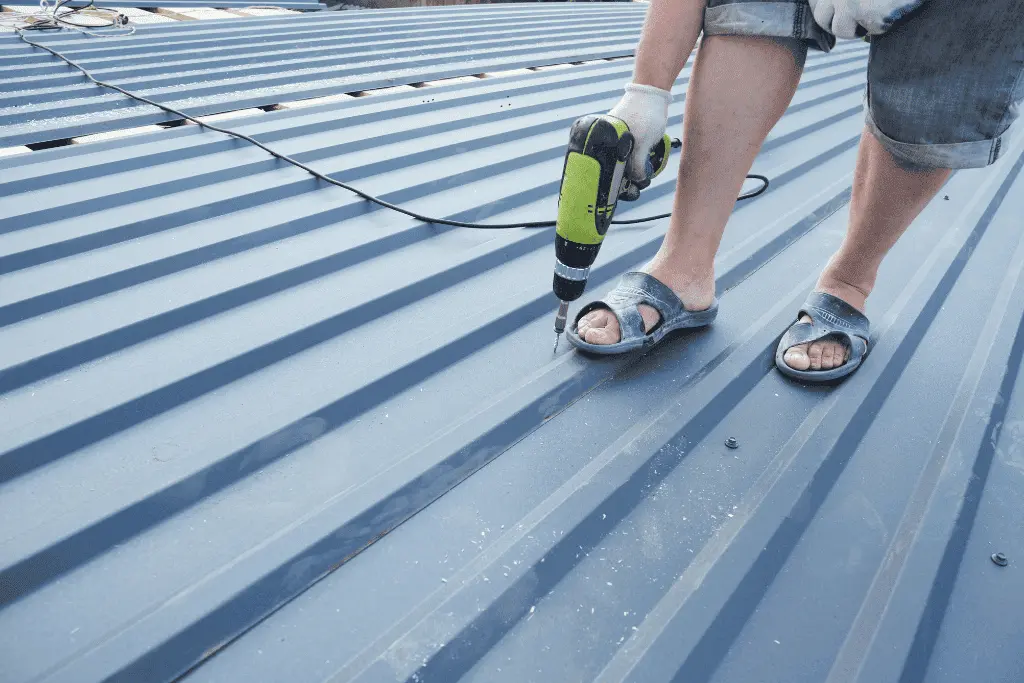

The amount of overlap, the direction of the lap, and adherence to Australian Standards determine whether the roof performs well or develops issues such as leaks, rust and reduced wind resistance. In most cases, roofing professionals in Australia try to minimise end laps because continuous long sheets offer far better performance, but when end-to-end laps are unavoidable, they must be installed with care.
Metal roofs remain one of the most trusted roofing choices across Sydney due to their strength, reduced maintenance needs and excellent performance in coastal and inland conditions. However, the long-term success of the roof depends heavily on installation quality.
Should You Overlap Metal Roofing End-to-End?
Yes, it is acceptable to overlap metal roofing sheets end-to-end, but it must meet both manufacturer guidelines and the requirements of AS 1562.1. The aim is to ensure water flows smoothly over the lap without getting between the sheets.
Many installers prefer using full-length sheets to avoid laps altogether, but sometimes site access, roof length, or transport limitations make end lapping necessary. When this happens, careful workmanship is essential.
Correct Overlap Length
For most metal roofing profiles used in Sydney, the recommended end overlap is between 150 mm and 200 mm. The exact measurement depends on:
- Roof pitch
- Sheet profile
- Exposure to wind and rain
- Manufacturer recommendations
A low roof pitch needs a larger overlap because water drains more slowly. A higher pitch can usually work with a shorter overlap. Never guess the measurement, as even a small deviation can cause leaks.
Sealing the Lap
To prevent moisture from entering the lap, installers apply a continuous bead of neutral-cure silicone or specialised sealant between the sheets. The sealant should be applied near the top of the lap, not at the edge, to avoid water becoming trapped.
Using the wrong sealant, or applying too much or too little, can create problems later. When properly sealed, the overlap remains watertight even in heavy rain, which is common across many parts of NSW.
Fixing Requirements
The sheets must be screwed together through the overlap using roofing screws with neoprene washers. These washers prevent water from entering around the screw head. The screws also help stop movement due to wind uplift or thermal expansion.
📖 People also read about:
A common mistake is driving the screws too tightly, which can deform the sheet and compromise the seal. Professional installation prevents this.
Avoiding Common Problems With End Laps
1. Capillary Action
Capillary action occurs when water travels backwards between the sheets. This is one of the biggest risks of end laps. Correct sealing, adequate overlap length and correct drainage direction minimise this issue.
2. Rust Development
If moisture gets trapped in the lap, rust forms far faster than on exposed surfaces. Once rust begins inside the lap, it is difficult to stop. A properly sealed overlap prevents this.
3. Poor Water Runoff
End laps must follow the natural direction of water flow down the roof. If the upper sheet sits underneath the lower sheet, water will enter the lap. This mistake is more common in DIY jobs than professional installations.
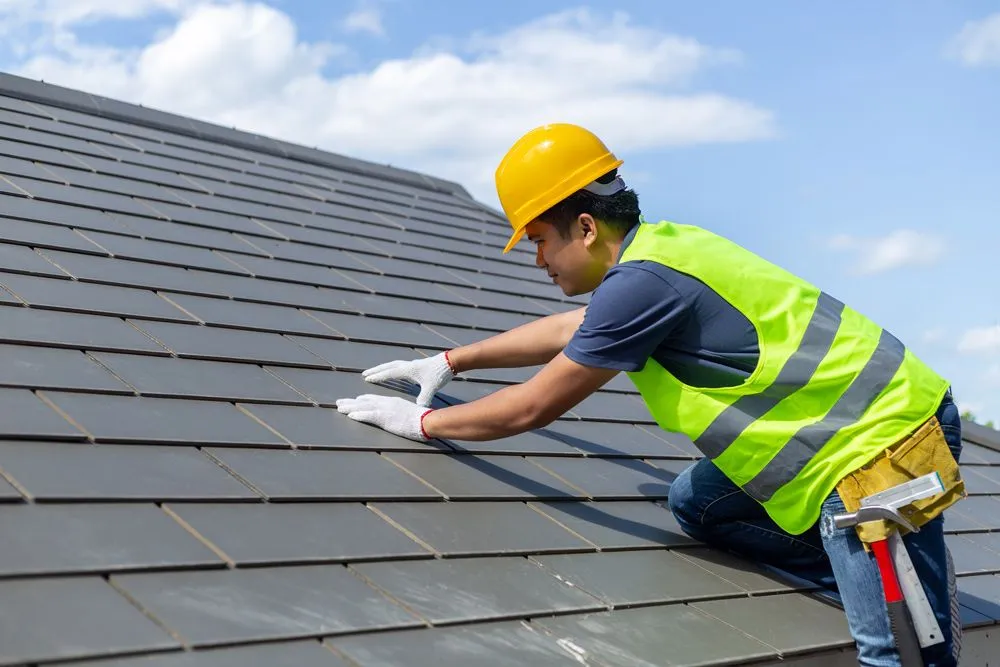
Australian Standards and Building Codes
In Australia, metal roof installation follows AS 1562.1 (Design and installation of metal roofing) and AS 4040 (Wind load testing). These standards help ensure durability, weather resistance and safety.
📖 People also read about:
- Key requirements include:
- Correct lap lengths
- Proper fastening patterns
- Compliance with sheet manufacturer specifications
- Appropriate sealant use
Professional roofers work with these standards daily, ensuring that every installation meets the correct guidelines.
💡 Need help?
We offer professional metal roof repair sydney to help you achieve your goals.
If you want to avoid issues like leaks or early corrosion, speak with Tomkat Roofing for guidance on correct sheet handling, overlapping and installation practices.
Best Practices for Overlapping Metal Roofing
Use Longer Sheets When Possible
Continuous sheets eliminate end laps entirely, reducing leak risk and maintenance. Many Sydney homeowners now choose this option.
Install in Dry Conditions
Moisture can interfere with sealants and reduce bonding strength.
Ensure Proper Pitch
The minimum roof pitch for most profiles is 5 degrees, but manufacturers may specify different requirements. Pitch affects how much overlap is needed.
Follow Wind Classification Requirements
Areas with higher wind classifications require stronger fixing patterns and may need specific overlapping instructions to withstand uplift forces.
Hire Qualified Roofing Contractors
Poor installation is the number one cause of metal roofing leaks. Working with certified roofers ensures the job is completed to Australian Standards.
The Way Forward
For guaranteed quality, accurate installation, and the correct overlapping method for your metal roof, contact Tomkat Roofing today for professional service across Sydney.
FAQs
1. Do all metal roofs need end-to-end overlaps?
No. Many modern installations use full-length sheets to avoid laps. Overlaps are only used when sheet length or site conditions require them.
2. What happens if the overlap is too short?
A short overlap increases the risk of leaks, capillary action and wind-related lifting. It may also breach Australian Standards.
3. Can I install end laps myself?
It is possible, but not recommended. Incorrect sealing or fixing can cause major long-term issues. Professional installation is always safer.
4. How long should a sealed overlap last?
When installed correctly, the overlap should last as long as the roof itself, often 30 to 50 years, depending on the metal type and local conditions.
5. Does overlapping affect the appearance of the roof?
A properly done lap is usually not noticeable. Poorly executed laps can stand out and impact visual appeal.