
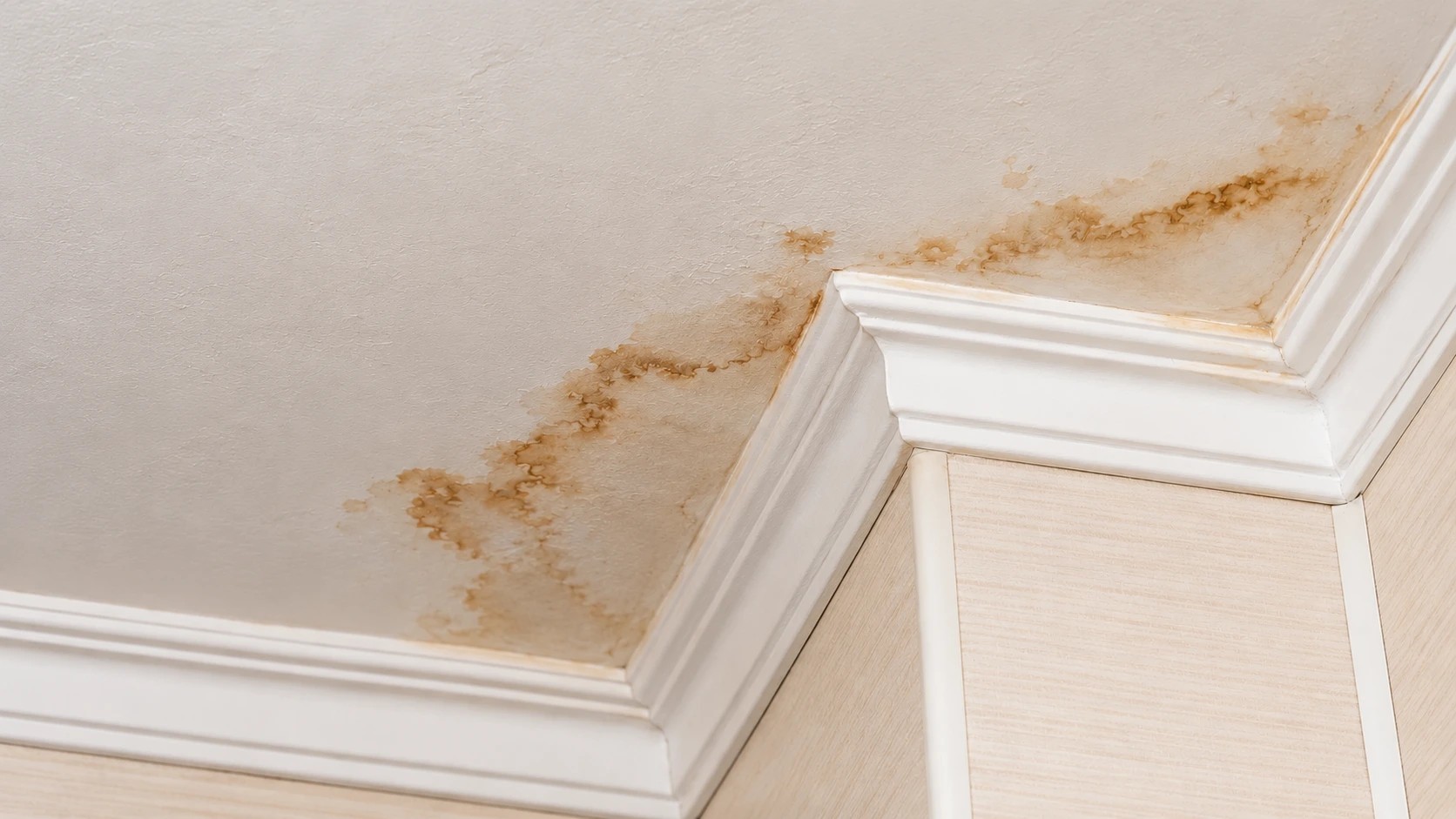
Sometimes, a small roof leak does not seem urgent. Maybe it’s just a faint water stain on the ceiling or a drip that only appears during heavy rain. It’s easy to assume it’s a minor issue that can wait. However, even the smallest roof leak can lead to significant damage to roofing components and surrounding areas of the home if it’s left untreated.
Water has a way of finding hidden paths through your roof, walls, and ceilings. By the time visible signs appear inside your home, moisture may have already affected timber components around the roof, insulation, plasterboard, and even electrical systems.
At Tomkat Roofing, we’ve seen firsthand how small roof leaks can turn into major roof repair projects. Identifying and repairing leaks early is one of the most effective ways to protect your home and avoid unnecessary costs.
Spotted a Roof Leak?
Book a roof inspection and we will find the source before it causes bigger damage.
How Does a Small Roof Leak Start?
Roof leaks can develop for many reasons, and they aren’t always obvious from the ground.
Common causes include:
- Cracked or broken roof tiles
- Rusted or damaged metal roofing sheets
- Loose or deteriorated flashing
- Blocked gutters and downpipes
- Worn roof sealants
- Damaged roof valleys
- Poor previous roof repairs
- Storm or hail damage
- Age-related roof deterioration
Even a tiny opening in your roofing system can allow water to enter whenever it rains.
Why Small Roof Leaks Become Big Problems
Water doesn’t usually stay where it enters.
Once inside the roof cavity, it can travel along rafters, insulation, wiring, and ceiling joists before appearing somewhere completely different. This often makes the source of the leak difficult to identify without a professional roof inspection.
Meanwhile, moisture continues to affect roofing materials and other areas of the home behind the scenes.
Structural Damage Caused by Roof Leaks
Timber Rot
Roof framing is commonly constructed using timber. When timber remains damp for extended periods, it begins to weaken and rot.
📖 People also read about:
Over time, roofing components such as battens and other timber elements can deteriorate, potentially requiring further assessment and repair.
Ceiling Damage
One of the earliest visible signs of a roof leak is a stained ceiling.
As water continues to soak plasterboard, you may notice:
- Brown or yellow stains
- Bubbling paint
- Sagging ceilings
- Cracks in plaster
- Sections of ceiling collapsing in severe cases
Repairing ceiling damage often involves replacing plasterboard as well as fixing the roof leak itself.
Damaged Wall Framing
Water can travel down internal wall cavities without leaving immediate visible evidence.
This hidden moisture may damage:
- Timber wall framing
- Internal linings
- Skirting boards
- Flooring near walls
The longer the leak continues, the greater the repair work required. If water has affected areas beyond the roofing system, an appropriately qualified building professional may be required to assess those areas.
Insulation Damage
Roof insulation loses much of its effectiveness once it becomes wet.
Saturated insulation can:
- Reduce your home's energy efficiency
- Increase heating and cooling costs
- Take a long time to dry completely
- Encourage mould growth
In many cases, wet insulation needs replacing.
Can Roof Leaks Cause Mould?
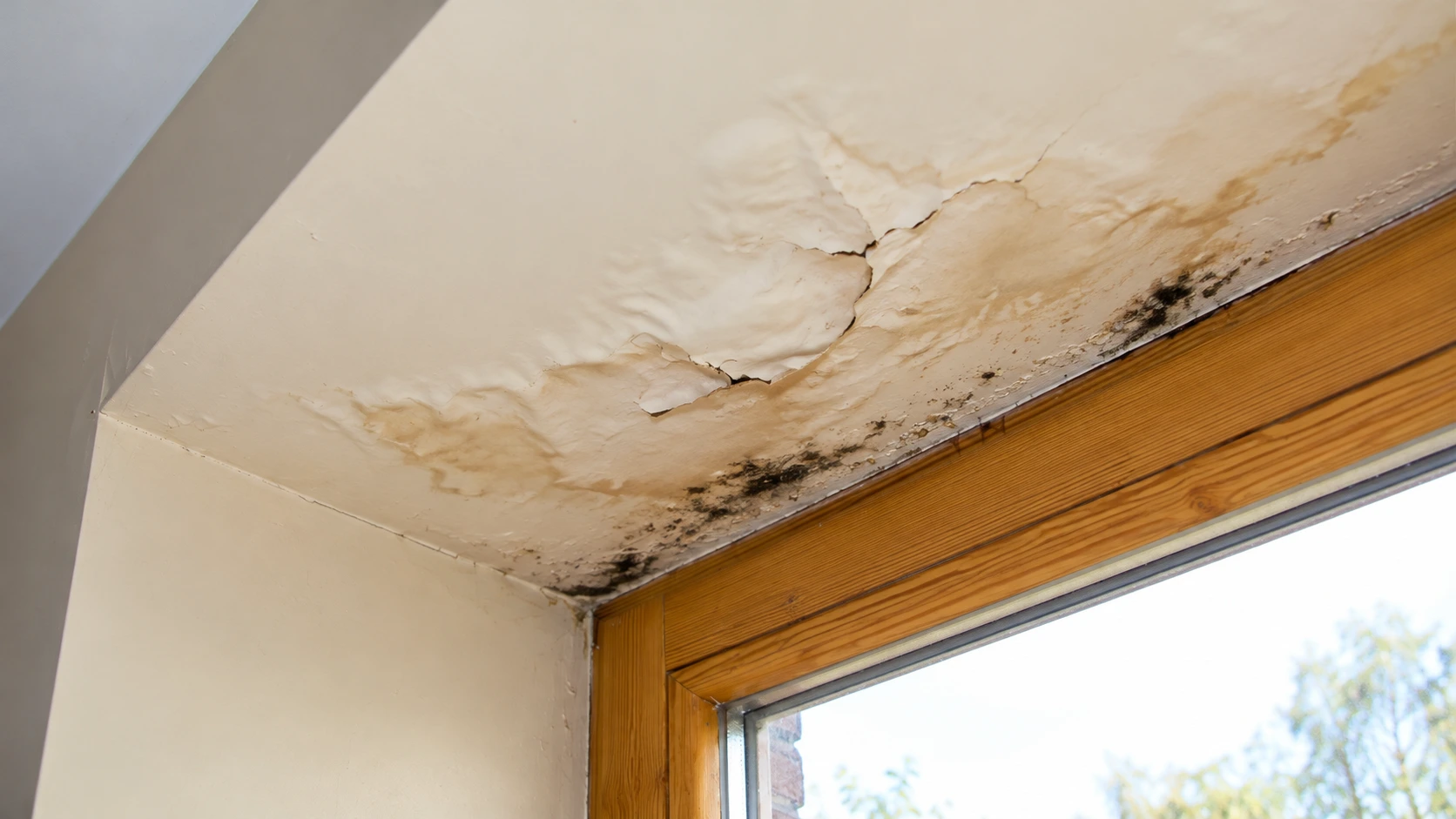
Yes! Mould can begin developing within 24 to 48 hours when moisture remains trapped inside walls, ceilings, or roof cavities.
Once established, mould can spread quickly through:
- Ceiling spaces
- Insulation
- Timber framing
- Plasterboard
- Air conditioning systems
Besides damaging your home, mould can affect indoor air quality and may trigger allergies or respiratory irritation in some people.
Are Roof Leaks Dangerous?
Many homeowners think roof leaks are only cosmetic. In reality, they can create several safety risks.
Electrical Hazards
Water entering ceiling spaces can come into contact with:
- Electrical wiring
- Light fittings
- Ceiling fans
- Smoke alarms
This increases the risk of electrical faults and may require immediate attention from qualified professionals.
Slippery Surfaces
Persistent leaks can create slippery floors inside the home, increasing the likelihood of slips and falls.
Ceiling Collapse
If large amounts of water collect above plasterboard ceilings, sections can become unstable and eventually collapse under the additional weight.
How Much Damage Can One Leak Cause?
The amount of damage depends on several factors, including:
- How long the leak has existed
- How often it rains
- The size of the leak
- The roof material
- The home's construction
- Whether moisture remains trapped
A leak that seems insignificant during dry weather can become much worse after several storms.
Signs Your Roof Leak May Be Worse Than It Looks
Some roof leaks stay hidden for months before obvious symptoms appear.
Watch for warning signs such as:
- Water stains on ceilings
- Peeling paint
- Bubbling plaster
- Damp or musty smells
- Mould growth
- Dripping during rain
- Sagging ceilings
- Rust around metal roofing
- Missing or cracked roof tiles
- Overflowing gutters
If you notice any of these issues, it’s worth arranging a professional roof inspection as soon as possible.
How Professionals Find Roof Leaks

Roof leaks aren’t always located directly above the visible water damage.
Our professional roof inspections typically include:
- Checking roof tiles or metal sheets
- Inspecting flashing
- Examining roof valleys
- Looking for damaged ridge capping
- Assessing gutters and downpipes
- Identifying storm damage
- Checking roof penetrations around skylights, vents, and chimneys
Finding the true source of the leak helps ensure the roofing repair addresses the problem rather than just the symptoms.
Can Roof Leaks Be Prevented?
Many leaks are preventable through regular maintenance. You can consider some simple preventative measures like:
- Cleaning gutters regularly
- Removing debris from roof valleys
- Replacing cracked roof tiles promptly
- Repairing damaged flashing
- Trimming overhanging tree branches
- Scheduling regular roof inspections
- Repairing storm damage as soon as possible
Routine maintenance helps identify small issues before they become major roofing problems.
When Should You Call a Roofing Professional?
Don’t wait until water is pouring through your ceiling! Contact a roofing professional if you notice:
- Water stains inside your home
- Dripping during rainfall
- Missing roofing materials
- Rust on metal roofing
- Storm damage
- Persistent damp smells
- Blocked gutters causing overflow
Early repairs are almost always simpler, less disruptive, and more affordable than dealing with extensive water damage later.
Protect Your Home Before Minor Leaks Become Major Repairs
A roof leak rarely fixes itself. Even a small amount of water entering your roof can gradually damage roofing materials, insulation, ceilings, and other areas of the home without obvious warning.
📖 People also read about:
The sooner a leak is professionally inspected and repaired, the better your chances of avoiding major roofing repairs and further water damage.
💡 Need help?
We offer professional roof repair casula to help you achieve your goals.
If you suspect your roof has developed a leak, arranging a professional roof inspection and repair now can help protect both your home and your investment.
FAQs
Can a tiny roof leak really cause structural damage?
Yes. Even a small leak can allow moisture to reach timber framing, insulation, and ceilings. Over time, repeated water exposure can weaken roofing-related timber components and cause extensive water damage.
How quickly can a roof leak cause mould?
Mould can begin growing within 24 to 48 hours if moisture remains trapped in ceilings, walls, or insulation. Prompt repairs help reduce the risk of mould developing.
Should I repair a small roof leak immediately?
Yes. Addressing a roof leak as soon as it’s discovered can prevent further water damage, reduce repair costs, and help protect the condition of your roofing system.
Stop Your Roof Leak Before It Spreads
Our Sydney team traces the true source of leaks and repairs tile and metal roofs properly.