
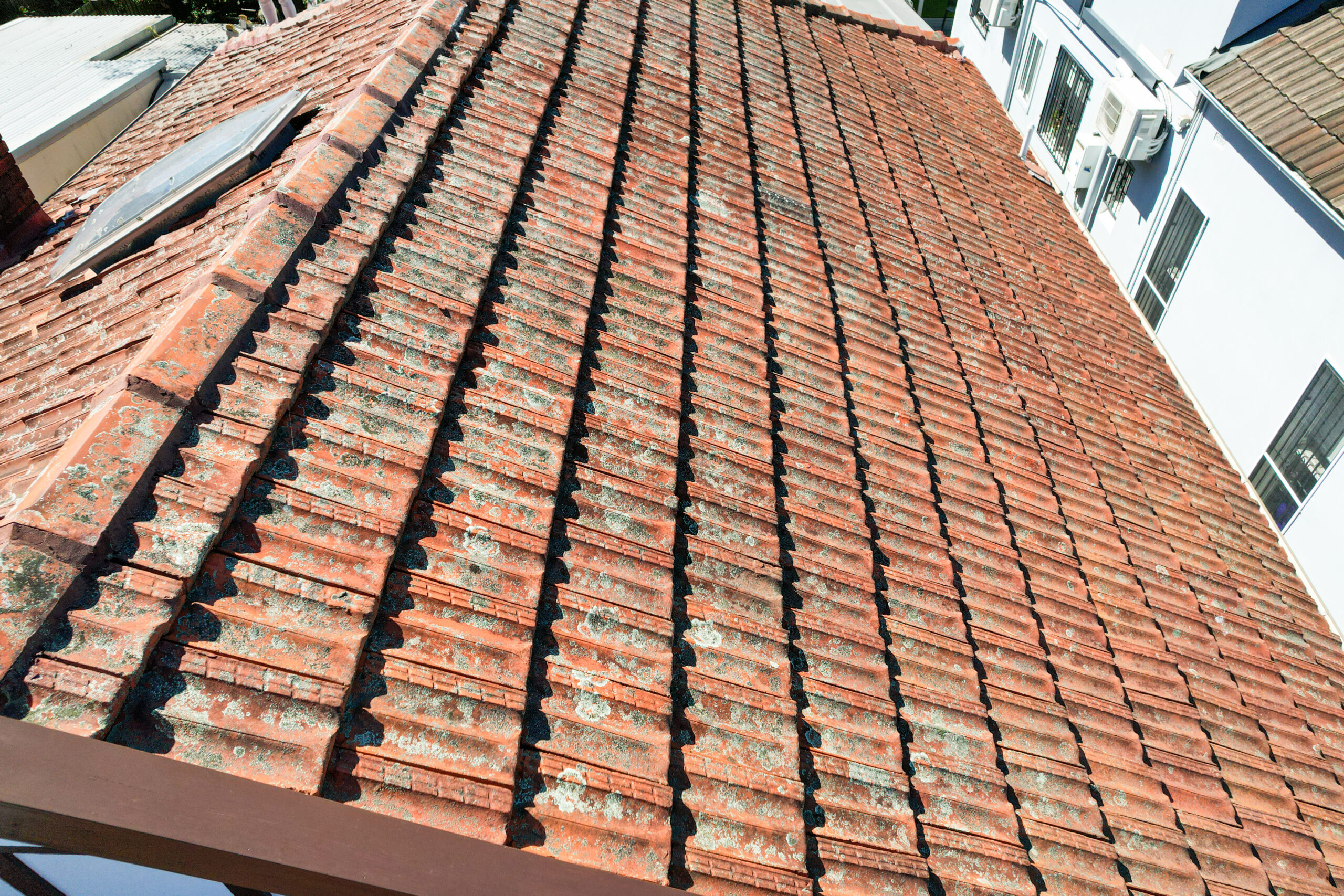
Water can sit hidden in your roof cavity, insulation, or wall framing for days before it shows up as a stain, drip, or musty smell inside your home. That delay is normal. A storm pushes water through small gaps that would otherwise stay dry, and it can take time for that moisture to travel through layers of building material before becoming visible. If you’re in Sydney and noticing a leak two, three, or even seven days after the last big downpour, you’re dealing with delayed water ingress, and the source is almost always damage you can’t see from the ground.
Roofing Done Right the First Time
Trusted Sydney roofing specialists delivering quality workmanship and reliable solutions that stand the test of time.
Why Leaks Appear Days, Not Hours, After Rain
Roofs are built in layers. Tiles or metal sheets sit on top, with sarking (a waterproof membrane), battens, insulation, and ceiling plaster underneath. When wind-driven rain forces water past the outer layer, it doesn’t usually drop straight onto your ceiling. It pools on the sarking, runs along beams, soaks into insulation batts, or tracks down rafters before finally finding a low point where it can drip through.
Insulation acts like a sponge. A wet batt can hold litres of water for days, slowly releasing it as the ceiling plaster softens. By the time a brown stain appears on your living room ceiling, the water may have travelled several metres from where it actually entered the roof.
Timber framing also delays the appearance of leaks. Beams and battens absorb moisture, swell, and then release it gradually. In Sydney’s humid coastal climate, this process can stretch out over a week or longer, especially if the weather stays overcast and damp after a storm.
Not sure where to start? The team at Tomkat Roofing can run a post-storm inspection across your Sydney property and give you a clear picture of what needs attention.
Common Hidden Entry Points
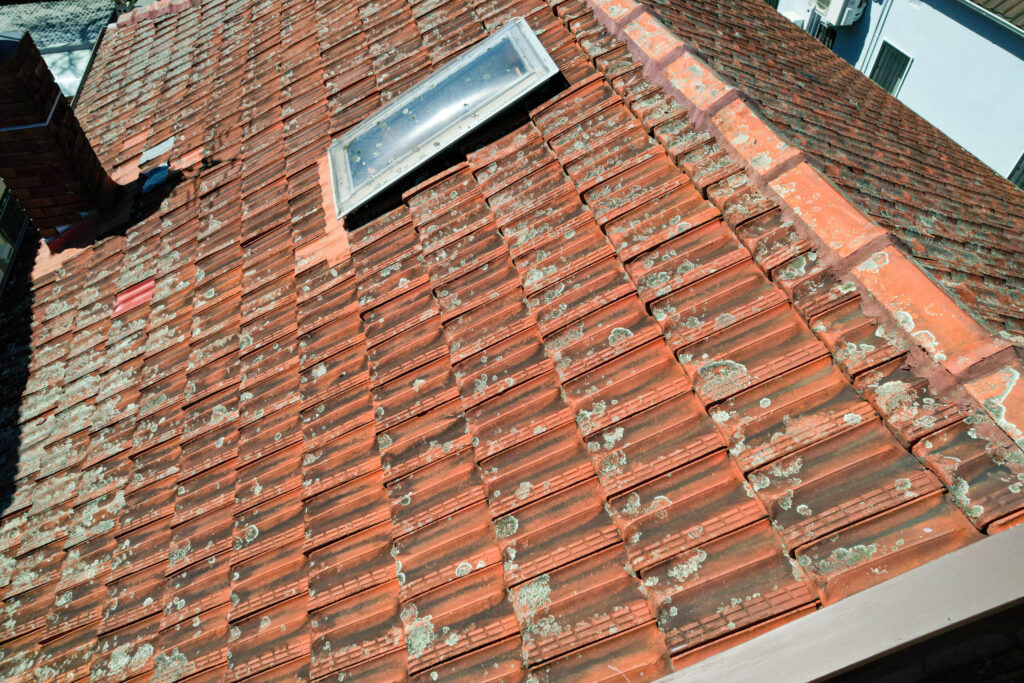
The most frequent culprits behind delayed leaks aren’t always obvious during a visual check from the ground. Cracked or slipped roof tiles let water in slowly, particularly when wind shifts the angle of the rain. Hairline cracks in mortar bedding along ridge capping are another common offender, as water seeps through and runs down the underside of tiles.
📖 People also read about:
Flashing failures around chimneys, skylights, vents, and where the roof meets a wall account for a large share of mystery leaks. Rusted or lifted flashing can hold water back for short rain events but fail under sustained heavy rain. Box gutters and valley gutters that haven’t been cleaned in a while overflow inward rather than out, sending water under tiles and into the cavity.
Sarking damage is harder to spot. If the membrane has been torn during past maintenance, has aged and gone brittle, or was never installed properly, water that gets under the tiles has nothing stopping it from reaching the ceiling.
How Sydney’s Climate Makes It Worse
Sydney roofs deal with a specific combination of stresses. Salt air on the coast accelerates corrosion of metal fasteners, flashing, and Colorbond sheeting. UV exposure breaks down sealants and rubber gaskets around penetrations. Then summer storms arrive with horizontal rain and hail that test every weakness at once.
East coast lows are particularly brutal. Sustained heavy rain over 24 to 48 hours saturates everything, and any small defect becomes a real entry point. The leak you’re seeing this week may be the result of a storm that hit ten days ago, with the moisture only now working its way to a visible surface.
Older terracotta and concrete tile roofs across suburbs like Parramatta, Hornsby, and the Inner West are especially prone to bedding and pointing failures. Metal roofs in coastal areas from Manly through to Cronulla often show flashing and fastener issues first.
📖 People also read about:
Tracking Down the Source
Finding the actual entry point requires more than spotting the stain. A qualified roofer will check the ceiling cavity from inside, follow moisture trails along beams back to their origin, inspect sarking condition, and examine the roof surface for cracks, slipped tiles, deteriorated mortar, and failing flashing.
In some cases, a hose test is needed. Water is applied in controlled sections across the roof while someone watches inside the cavity to pinpoint exactly where the ingress is occurring. This is the most reliable way to isolate a hidden leak that doesn’t show itself under normal conditions.
Thermal imaging can also help. Wet building materials hold a different temperature than dry ones, and a thermal camera will reveal moisture patterns that aren’t visible to the naked eye.
💡 Need help?
We offer professional roof repair casula to help you achieve your goals.
[If you’ve spotted a stain, drip, or musty smell after recent storms, the sooner you get eyes on it the better. Tomkat Roofing offers thorough leak detection across Sydney and can identify the source before damage spreads further.]
Why Acting Quickly Matters
A small leak that goes unaddressed becomes a much bigger problem. Wet insulation loses its R-value and needs replacement. Timber framing rots. Ceiling plaster eventually fails and collapses. Mould develops within 48 to 72 hours of sustained moisture exposure, which creates health concerns alongside the structural damage.
The cost gap between fixing a single cracked tile and replacing a full ceiling, batt insulation, and treating mould is significant. Early intervention is always the cheaper path.
Frequently Asked Questions
How long after a storm can a leak still appear?
Anywhere from a few hours to two weeks. Most delayed leaks show up between three and seven days after the rain event, depending on insulation saturation, ceiling material, and temperature.
Can I check my own roof for damage?
A visual check from the ground or a stable position is fine for spotting obvious issues like missing tiles or sagging gutters. Walking on a roof is dangerous and can cause further damage if you don’t know where to step. Leave detailed inspections to a licensed roofer.
Will my home insurance cover delayed leak repairs?
Most policies cover sudden storm damage but exclude gradual deterioration or maintenance issues. Documenting the storm date, photos of damage, and getting a roofer’s report quickly improves your chances of a successful claim.
My ceiling has dried out. Is the leak fixed?
No. A dry ceiling just means the surface moisture has evaporated. The entry point is still there and will leak again with the next significant rain.
Get your roof inspected by Tomkat Roofing today and stop hidden water damage before it costs you thousands.
Need a Reliable Sydney Roofer?
From roof repairs to complete replacements, our experienced team is ready to protect your home or business.